AFS Kigali 2026: Agric Minister aligns forum outcomes with Nigeria’s agricultural extension bill, seeks urgent passage

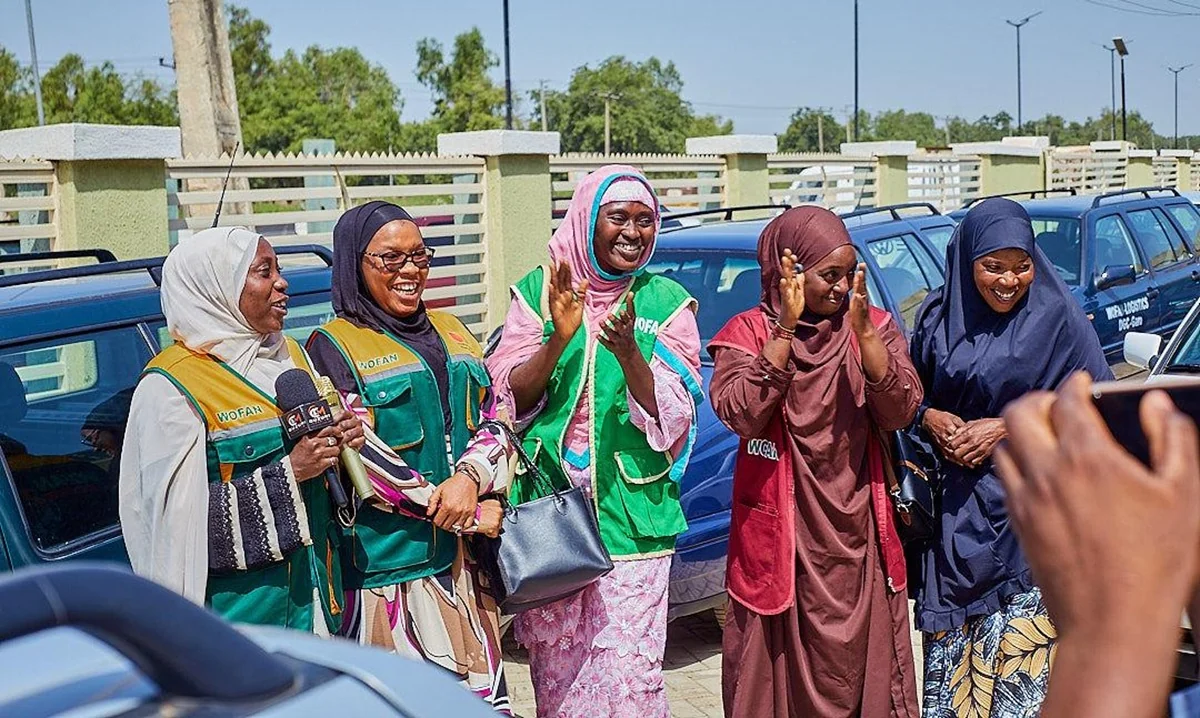
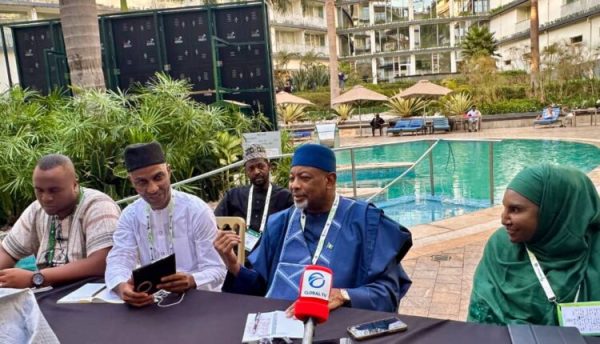
By Aliyu Inuwa Mansur and Nura Garba Minister of Agriculture and Food Security, Senator Abubakar Kyari, has aligned the outcomes of the Africa Food Systems Forum (AFS) 2026 in Kigali, Rwanda, with Nigeria’s proposed Agricultural Extension Services Revitalisation Bill, calling for its speedy passage to strengthen agricultural productivity, modernise extension services and build a resilient agri-food system. The Minister spoke with Nigerian journalists covering the Africa Food Systems Forum (AFS) 2026 in the Rwandan capital, where he observed that many of the issues dominating discussions at the continental gathering were agricultural policy priorities that resonate with Nigeria’s ongoing efforts to transform agriculture from subsistence farming to a competitive agribusiness sector. Referring to the forum’s theme, “Investing in Africa’s Agri-Food Systems: Nourishing Nations, Growing Jobs, Building Resilience,” Senator Kyari said it reflects the policy direction Nigeria must pursue to achieve food security, create jobs and develop climate-resilient food systems. He recalled that a similar policy instrument is already before the National Assembly in the form of the Agricultural Extension Services Revitalisation Bill, describing agricultural extension as a critical driver of food sufficiency, increased productivity and sustainable agricultural development. He noted that the enactment of the bill would strengthen farmers’ productivity and accelerate the transformation of Nigeria’s agricultural sector. Responding to questions on the proposed legislation, the Minister said the bill, which has already passed first reading in both the Senate and the House of Representatives, deserves urgent legislative attention to enable Nigeria enact a law that reflects the recommendations emerging from AFS 2026. “It is important to invest in agri-food systems, include women, youth and persons with disabilities, build climate resilience, and provide opportunities for finance and markets through a professional extension service,” the Minister said, adding that strengthening agricultural extension has remained one of his priorities since assuming office. SolaceBase reports that Senator Kyari observed that discussions in Kigali focused on many of the same issues addressed by the proposed legislation, including technology adoption, improved seed systems, climate-smart agriculture, inclusivity, digital transformation, data management and stronger linkages among farmers, researchers, development partners, financial institutions and the private sector. He also recalled his call at the 9th Africa Agriculture Science Week held in Abuja in July 2025 for stronger collaboration among governments, researchers, development partners, the private sector and farmers, noting that such partnerships remain a central pillar of the proposed Agricultural Extension Services Revitalisation Bill. Also speaking with journalists in Kigali, the Founder and Global Advocate, of the Women Farmers Advancement Network (WOFAN) and Head of WOFAN-ICON2 Project, Dr Salamatu Garba, reaffirmed the organisation’s support for the proposed legislation. She noted that WOFAN is among the co-sponsors of the Agricultural Extension Services  Bill, working alongside stakeholders, private-sector partners and farmers’ clusters to strengthen Nigeria’s agricultural extension system. Dr. Garba observed that the major sub-themes of the 20th Africa Food Systems Forum—including mobilising investment for agri-food systems, youth empowerment and entrepreneurship, women and inclusive food systems, climate resilience and sustainable agriculture—mirror many of the priorities the bill seeks to institutionalise. She confirmed that the bill has already passed its initial legislative stages in both the Senate and the House of Representatives, with the public hearing and other legislative processes still outstanding. She appealed to the Minister to support efforts to fast-track its passage, expressing confidence that the legislation would strengthen agricultural extension services and help address many of the challenges confronting farmers across Nigeria.
WOFAN, PDS-UK delegates explore Rwanda’s peacebuilding, digital governance model

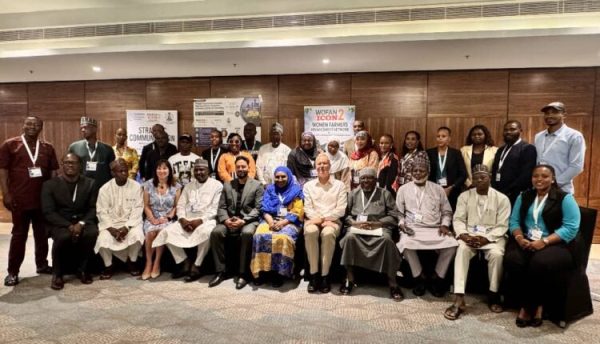
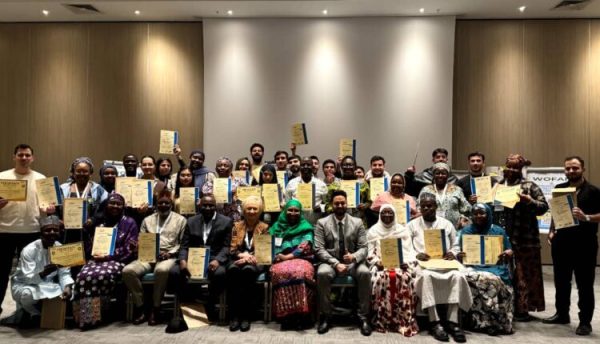
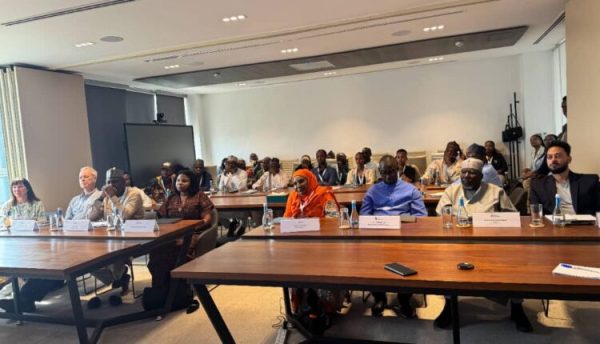
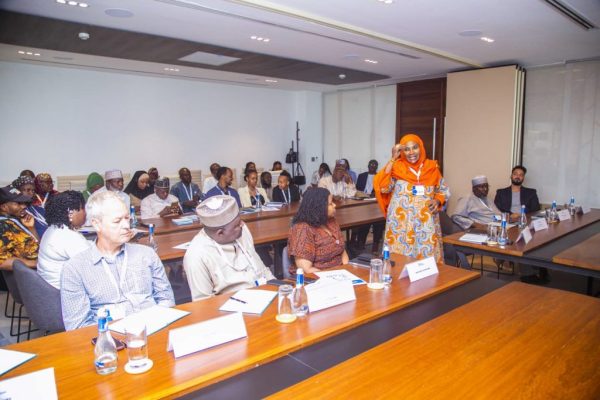
A delegation participating in a strategic communication training programme organised by the Women Farmers Advancement Network (WOFAN) and Prospects Development Services (PDS-UK) has studied Rwanda’s post-genocide recovery, national unity and digital governance systems as part of a three-day study tour in Kigali. SolaceBase reports that the second-day engagement took the participants to the Rwanda Cooperation Initiative (RCI), where they examined how Rwanda rebuilt social cohesion after the 1994 Genocide against the Tutsi and transformed its institutions through reforms in governance, justice, citizenship education and digital service delivery. The study visit was part of the training on “Strategic Communication: Integrating Digital and AI-Driven Innovation for Sustainable Leadership and Peacebuilding,” which seeks to expose participants to practical approaches to leadership, communication, peacebuilding and institutional development. Presentations by officials of Rwanda’s Ministry of National Unity and Civic Engagement (MINUBUMWE) focused on the policies and institutions established to strengthen national unity and prevent a recurrence of genocide ideology. The officials highlighted initiatives such as Ndi Umunyarwanda, Itorero civic education, community dialogue and the Gacaca courts, describing them as among the mechanisms used to rebuild trust and promote social cohesion. Speaking during the study visit, WOFAN Founder and Global Advocate, Dr. Salamatu Garba, commended RCI for sharing Rwanda’s experience with the delegation. She observed that several of the issues discussed during the engagement were similar to challenges confronting Nigeria, stressing the importance of mindset change, accountability, policy reform and responsible followership in achieving sustainable development. Dr. Garba said teachers were deliberately included in the delegation so they could transfer lessons from the study tour to younger generations. She expressed optimism that continued engagement between WOFAN, PDS-UK, the Nigeria High Commission and RCI would help turn the knowledge gained into practical policy actions and sustainable strategies. On his part, the Chief Executive Officer of RCI, Richard Niwenshuti, said Rwanda’s recovery was guided by the need to move beyond its darkest chapter, strengthen institutional accountability and pursue reforms on a large scale. According to him, the reforms have contributed to about 92 per cent health insurance coverage, universal access to primary and secondary education, and the digitisation of more than 240 public services through the Irembo platform. SolaceBase reports that the delegation was also briefed on Rwanda’s governance architecture, decentralisation, coordination and accountability mechanisms, as well as its digital transformation agenda. In his remarks, the Nigerian’s acting High Commissioner in Republic of Rwanda, Ambassador Ibrahim G. Zanna, represented by the First Secretary, Political Information and Culture, Zerah Yemilo Waminaje, described the engagement as an opportunity for participants to gain practical insight into how strategic communication, digital innovation and sustainable leadership can contribute to national development. The High Commission reaffirmed its commitment to strengthening institutional cooperation between Nigeria and Rwanda. The Nigeria High Commission also urged the participants to translate lessons from the study tour into practical efforts to strengthen institutions, promote digital transformation and advance peacebuilding in Nigeria. Unity and Social Cohesion Promotion Analyst, Donatien Nikuze, said Rwanda’s progress was supported by political will, inclusive leadership and sustained investment in peacebuilding and good governance. Nikuze disclosed that the country recorded a 95.3 per cent National Unity Barometer score in 2025, while noting that challenges, including genocide ideology, hate speech, trauma and the pursuit of fugitives, remained. He encouraged the visiting delegation to draw practical lessons from Rwanda’s experience while considering the realities of their own countries. The second-day engagement ended with a vote of thanks delivered by WOFAN Technical Board Member, Professor Mahmoud Daneji, who appreciated RCI, the facilitators, the Nigeria High Commission, PDS-UK, WOFAN and the participants for the successful engagement.

WOFAN, PDS-UK delegation study Rwanda’s reconciliation, governance model

A delegation of Nigerian professionals participating in an international capacity-building programme in Kigali, Rwanda, has examined the country’s approach to national reconciliation, institutional governance and digital transformation. The programme is organised by the Women Farmers Advancement Network (WOFAN), a strategic partner of Bayero University, Kano, in collaboration with Prospects Development Services (PDS)-UK. The participants, drawn from government, academia, media, education, business and other professional sectors, visited the Rwanda Cooperation Initiative (RCI) on the second day of their study tour. The visit provided an opportunity for the delegation to gain insights into Rwanda’s efforts to rebuild national cohesion, strengthen public institutions and promote digital transformation following the 1994 Genocide against the Tutsi. The engagement focused on the policies, institutional frameworks and strategies adopted by Rwanda in its post-genocide reconstruction and development process. The training, titled “Strategic Communication: Integrating Digital and AI-Driven Innovation for Sustainable Leadership and Peacebuilding,” is focused on equipping participants with practical knowledge of strategic communication, inclusive governance, digital innovation, leadership and post-conflict reconstruction. During the engagement, officials of Rwanda’s Ministry of National Unity and Civic Engagement (MINUBUMWE) explained the policies and institutional measures adopted by the country to promote reconciliation and prevent a recurrence of genocide. They identified reforms in the justice system, inclusive governance, citizenship education, the promotion of a common national identity and measures to counter genocide ideology as central to Rwanda’s reconciliation process. The delegation was also briefed on initiatives such as Ndi Umunyarwanda, Itorero civic education, community dialogue programmes and the Gacaca courts, which officials said played important roles in restoring trust and rebuilding relationships within communities. Unity and Social Cohesion Promotion Analyst at MINUBUMWE, Donatien Nikuze, said Rwanda’s progress over the years was made possible by political commitment, inclusive leadership and sustained investment in peacebuilding and good governance. According to him, the country recorded a 95.3 per cent score in the National Unity Barometer in 2025. Nikuze, however, said Rwanda still grapples with challenges such as genocide ideology, hate speech, trauma and the continued search for genocide fugitives. He urged the Nigerian participants to draw relevant lessons from Rwanda’s experience while taking into consideration Nigeria’s peculiar political, social and institutional circumstances. Welcoming the delegation, Chief Executive Officer of RCI, Richard Niwenshuti, said Rwanda’s recovery was driven by a determination to move beyond its tragic past, build accountable institutions and develop solutions capable of delivering results on a large scale. Niwenshuti said the reforms had translated into improvements in social services and the deployment of technology in public administration. He said health insurance coverage had reached about 92 per cent, while the country had achieved universal access to primary and secondary education. He added that more than 240 public services had been digitised through Irembo, enabling citizens to access government services electronically. Participants were further taken through Rwanda’s governance structure, decentralisation framework, institutional coordination and accountability mechanisms, as well as its digital transformation programme. The sessions featured presentations from officials of MINUBUMWE, the Ministry of Justice (MINIJUST), Ministry of ICT and Innovation and the Rwanda Information Society Authority. In a goodwill message delivered on behalf of Nigeria’s Acting High Commissioner to Rwanda, Ambassador Ibrahim Zanna, the Nigeria High Commission challenged participants to ensure that lessons from the programme were translated into practical initiatives capable of strengthening Nigerian institutions. The mission said the study tour offered practical examples of how strategic communication, technology-driven innovation and sustainable leadership could be deployed to advance national development. It also pledged to continue supporting stronger institutional cooperation and knowledge exchange between Nigeria and Rwanda. Founder and Global Advocate of WOFAN, Hajia Dr Salamatu Garba, said the similarities between some of Rwanda’s past challenges and issues confronting Nigeria made the study visit particularly relevant. Garba commended RCI and other Rwandan institutions for sharing their experiences with the delegation, noting that sustainable development requires more than government action alone. She stressed the need for a change in mindset, stronger accountability, effective policy reforms and responsible followership. According to her, teachers were deliberately selected as part of the delegation because of their critical role in shaping younger generations and passing knowledge acquired from the programme to students. Garba expressed hope that collaboration among WOFAN, the Nigeria High Commission and RCI would continue beyond the study tour and lead to practical policy initiatives and sustainable development strategies. She said the lessons gathered should be applied gradually and consistently, stressing that meaningful transformation could be achieved “step by step.” WOFAN Technical Board member, Professor Mahmoud Daneji, who delivered the vote of thanks on behalf of the participants, commended RCI, the facilitators, the Nigeria High Commission, PDS-UK and WOFAN for facilitating the programme. He described the second-day engagement as productive and appreciated members of the delegation for their participation. The Kigali study tour is part of the wider international training programme designed to strengthen participants’ capacity in strategic communication, digital and artificial intelligence-driven innovation, sustainable leadership and peacebuilding.

WOFAN and PDS-UK Delegates Understudy Rwanda’s Unity, Peacebuilding and Digital Governance Model at RCI, Kigali

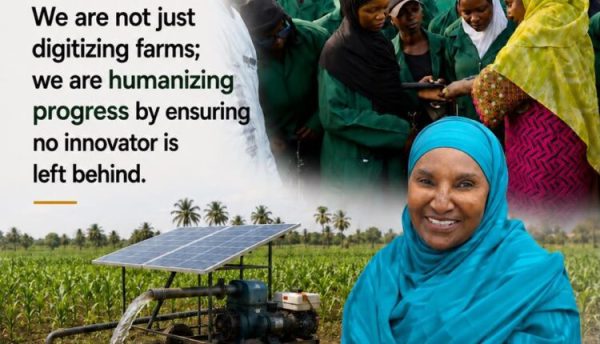
The Founder and Executive Director of the Women Farmers Advancement Network (WOFAN) and Global Advocate, Dr. Salamatu Garba, will join leaders, farmers, innovators, investors, policymakers, development partners and other key stakeholders at the Africa Food Systems Forum (AFSF) 2026 in Kigali, Rwanda. The forum, scheduled for September 1–4, 2026, will be held under the theme: “Investing in Africa’s Agri-Food Systems: Nourishing Nations. Growing Jobs. Building Resilience.” SolaceBase reports that WOFAN will participate in discussions focused on the future of Africa’s food systems and pathways towards more inclusive, resilient and sustainable agriculture. With over 7 million farmers empowered across Nigeria, WOFAN continues to support communities and create opportunities across the agricultural value chain. The organisation’s interventions include empowering women, youth and Persons with Disabilities (PWDs), while promoting mechanisation, digital innovation, climate-smart agriculture, improved agricultural practices, inclusive livelihoods and stronger farmer-led value chains. WOFAN said its approach goes beyond the digitisation of farms, stressing the importance of ensuring that innovators and communities are not left behind in the process of agricultural transformation. “We are not just digitizing farms; we are humanizing progress by ensuring no innovator is left behind,” the organisation said. As Africa works towards stronger and more resilient food systems, WOFAN said it remains committed to empowering people, strengthening communities and building a future where everyone has the opportunity to participate and thrive.

Nigeria High Commission in Rwanda hails WOFAN’s impact on youth, women as strategic communication, digital innovation training opens in Kigali

The Nigeria High Commission in the Republic of Rwanda on Thursday commended the Women Farmers Advancement Network (WOFAN) for its transformative impact on youth, women and farming communities, describing the organisation’s decision to champion strategic  communication, digital innovation, artificial intelligence and peacebuilding as a demonstration of visionary leadership. Delivering a goodwill message on behalf of the Acting High Commissioner, Ambassador Ibrahim G. Zanna, at the opening of the international training on “Strategic Communication: Integrating Digital and AI-Driven Innovation for Sustainable Leadership and Peacebuilding – Rwanda as a Case Study for Digital Transformation and Post-Conflict Reconstruction,”, Zerah Yemilo WAMINAJE, First Secretary, Political Information and Culture, praised WOFAN and its partner, Prospects Development Services, for convening a timely forum that addresses some of Africa’s most pressing development priorities. Zanna noted that an organisation renowned for empowering women, youth and farming communities has once again demonstrated its foresight by expanding the conversation to strategic communication, digital transformation and artificial intelligence. SolaceBase reports that the high Commissioner further applauded WOFAN’s unwavering commitment to advancing women’s leadership, stressing that sustainable development cannot be achieved without the meaningful participation of women in decision-making. It also encouraged participants to draw practical lessons from Rwanda’s remarkable journey in digital transformation, institutional development and post-conflict reconstruction, and to apply those experiences in strengthening governance, leadership and public service delivery across Africa. Reaffirming Nigeria’s commitment to supporting initiatives that promote innovation, institutional partnerships and sustainable development, the High Commissioner pledged its continued collaboration with WOFAN in fostering stronger ties between Nigeria and Rwanda. It expressed confidence that the three-day training would equip participants with practical knowledge and ethical leadership skills needed to harness digital technologies and artificial intelligence for inclusive development, peacebuilding and sustainable leadership. In her welcome address, the Founder and Executive Director of WOFAN and global advocate for women and youth empowerment, Dr. Salamatu Garba, described the training as a unique opportunity for participants to learn from one another and draw valuable lessons from Rwanda’s remarkable transformation. She noted that Rwanda’s journey from a troubled past to becoming a model of resilience, innovation and development offers practical lessons for institutions across Africa. She expressed WOFAN’s pride in partnering with Rwanda in promoting knowledge exchange and sustainable development. Dr. Garba urged participants to approach the training with open minds and a commitment to applying the knowledge and skills acquired to their respective organisations and communities. She emphasized that the ultimate goal is to translate the lessons on strategic communication, digital innovation and artificial intelligence into tangible outcomes that strengthen leadership, institutional performance and sustainable development. On his part, the founder and Chief Executive Officer of Prospects Development Services (PDS) UK, Bayode Tokumbo Hambolu, introduced PDS as one of the United Kingdom’s leading strategic training hubs for executives and institutions. He highlighted the organisation’s commitment to delivering world-class professional development programmes, noting that its courses are accredited by the Accreditation Service for International Schools, Colleges and Universities (ASIC), one of the UK’s recognised accreditation bodies. Speaking earlier, the Chairman of the Governing Board of the Women Farmers Advancement Network (WOFAN), Professor Sani Miko, gave participants an overview of the organisation’s history, mission and vision. He disclosed that WOFAN has empowered more than 675,000 women and youth smallholder farmers through capacity-building initiatives and has now expanded its mandate to reach 1.5 million smallholder farmers through enhanced training, information sharing and other empowerment programmes. He added that the organisation has also facilitated thousands of smallholder farmers’ access to finance, enabling them to improve productivity and livelihoods. One of the facilitators, Adrian Webb, Chairman of British technology company Outcome Path and a lecturer in AI ethics, said the first session focused on the importance of strategic communication in an era where artificial intelligence is rapidly transforming how people and organisations  communicate. Webb said the key message of his session was that despite the rapid development of AI, communication remained fundamentally about people. “The key highlight today was to get people to realise that really we are humans  communicating with humans, whatever technologies we use,” he said. He explained that  strategic communication involves understanding how to influence perspectives and build better outcomes, making it an essential component of the work of organisations serving communities. The participants comprise academics, media professionals, government executives, legislative staff, school administrators and teachers, all brought together to acquire practical knowledge in strategic communication, digital transformation and AI-driven innovation. One of the participants, Chioma Perpetual, described the training as a valuable opportunity to gain practical knowledge on strategic communication, digital transformation and artificial intelligence. She said the sessions on strategic communication and AI were particularly relevant in view of the growing influence of digital technologies on organisations and society. The training is expected to equip the participants with the skills required to drive meaningful change, enhance institutional effectiveness and create lasting impact within their various sectors.

WOFAN Launches Marketing Hubs, Supports Agro-Marketers with 5,000 Bags of Rice in Zaria

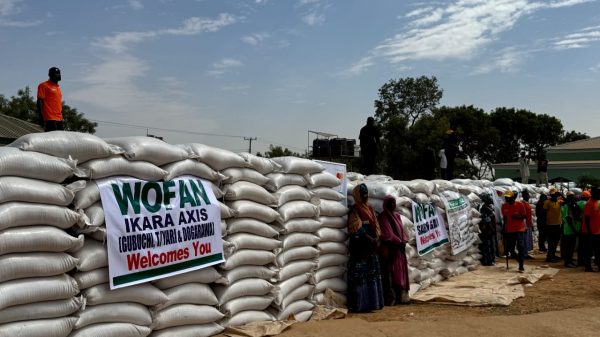
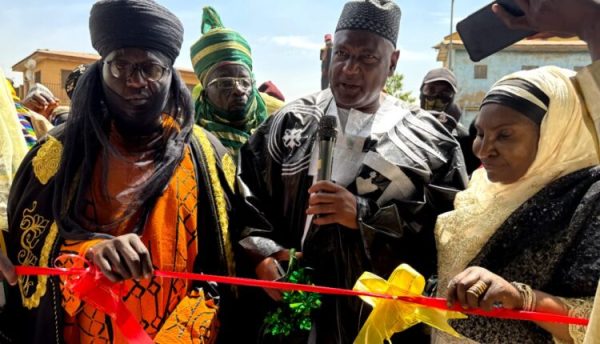
The Women Farmers Advancement Network (WOFAN), under its ICON2 project initiative, has inaugurated three new marketing hubs comprising 15 shops and also distributed 5,000 bags of processed rice. The processed rice was part of the rice produced by the farmers with the input support and processed by the women group processors, then off- taken from the processors for onward support to over 25,000 women agro-processors in Zaria and Ikara axis of Kaduna state as part of efforts to strengthen women-led businesses and support vulnerable groups. The initiative, launched on Saturday in Sabon Gari, Zaria, is designed to improve the livelihoods of underserved women engaged in agro-produce marketing across the Ikara axis, Tashar Yari, Dogarawa, Sabon Gari, Kasuwar Amaru, Zazzau emirate area and surrounding communities. The facility is equipped with solar-powered boreholes to ensure access to clean water and provide a conducive environment for business, congregational and community engagement areas. SolaceBase had earlier reported in August 2025 that WOFAN commissioned the fully completed solar-powered boreholes fitted with 21 water points to provide safe water for households and nearby schools. The organisation also renovated a school in the community to enhance access to education for both men and women as part of its vision of providing dignified opportunities to improve the livelihood of vulnerable communities. Speaking at the inauguration ceremony on Saturday, WOFAN Group Executive Board Chair, Dr Salamatu Garba, said the marketing hub fulfils the MasterCard Foundation and WOFAN’s vision of boosting economic opportunities, peaceful coexistence among the people and dignified jobs for women and persons living with disabilities (PWDs) who are within their productive years of 18- 35 years old. “Out of the 15 shops, three will be allocated to persons living with disabilities, intentionally dedicated to solar charging systems of phones, electric motorbikes to promote green energy and support their businesses,” she said. Speaking on the rice distribution initiative, Dr Garba explained that the intervention was expanded this year to reach more vulnerable women- led households to boost their mini marketing businesses that sustain their families. ” We want you to use this support to boost your businesses and improve your livelihoods,” she said. In his remarks, the WOFAN- ICON2 finance manager, Abdulrasheed Abdulazeez, stated that “The Ikara axis, which includes Dogarawa, Tashar Yari and Gubuchi, will receive 1,025 bags. The Sabon Gari axis, comprising Basawa, Dutsen Abba, Gyallesu, Hanwa, Jama’a and Kaura, will receive 1,075 bags. The Kasuwar Amaru axis, including Kwarbai A, Kwarbai B and Muchia/Chikaji, will receive 1,200 bags. Similarly, the Kasuwar Zaria axis-covering Kufena, Limancin-Kona, Tudun Wada, Tukur Tukur, Unguwar Fatika,Unguwar Juma, and Unguwar Gaba-will receive 1,200 bags.” He further appreciated community partners for their consistent support and commended the Emir of Zazzau, Alhaji Ahmed Nuhu Bamalli, the District Head of Sabon Gari and other traditional leaders for their support to WOFAN’s programs, adding that the intervention aligns with the objectives of the WOFAN-ICON2 Project under the MasterCard Foundation, which seeks to create sustainable employment opportunities for youth, women and persons with disabilities across ten Nigerian states. Also speaking, Board Member of the WOFAN Community Development Initiative, Alhaji Rabiu Sule Garo, said the organization, in collaboration with community stakeholders, would continue to implement sustainabilitystrategies aimed at mainstreaming gender in all works of life, creating peaceful coexistence and improving the lives of women and PWDs. Representing the Emir at the event, the Head of Palace, Alhaji Ahmad Fatika, expressed appreciation to WOFAN for its continued interventions. “We are aware of the good work you are doing for our people. Our doors remain open, and we are always ready to support WOFAN,” he said. He noted that the organization’s interventions have contributed to job creation and restored hope, dignity and self-reliance among young people. He also urged the targeted recipients of the rice intervention to invest wisely and focus on growing their businesses, while calling on the committee overseeing the marketing hub to ensure proper maintenance of the facilities. The District Head of Sabon Gari, Alhaji Ahmad Bashiri, who is also a patron of WOFAN in Sabon Gari Zaria Axis, , commended the organization for its consistent efforts to uplift vulnerable groups. “We will continue to support WOFAN in every possible way. The establishment of the marketing hub, rice distribution and provision of solar-powered borehole and water points will receive ample maintenance with a strong sustainability strategy put in place to make these interventions continue to be a memorable support in our community,” he said. One of the beneficiaries, Aisha Salihu, expressed gratitude for the assistance. “I never imagined receiving such support free of charge. We are deeply grateful,” she said. SolaceBase

WOFAN inaugurates marketing hub in Zaria, empowers agro-marketers with 5,000 bags of rice

The Women Farmers Advancement Network (WOFAN), under its ICON2 project initiative, has inaugurated three new marketing hubs comprising 15 shops and also distributed 5,000 bags of processed rice. The processed rice was part of the rice produced by the farmers with the input support and processed by the women group processors, then off- taken from the processors for onward support to over 25,000  women agro-processors in Zaria and Ikara axis of Kaduna state as part of efforts to strengthen women-led businesses and support vulnerable groups. The initiative, launched on Saturday in Sabon Gari, Zaria, is designed to improve the livelihoods of underserved women engaged in agro-produce marketing across the Ikara axis, Tashar Yari, Dogarawa, Sabon Gari, Kasuwar Amaru, Zazzau emirate area and surrounding communities. The facility is equipped with solar-powered boreholes to ensure access to clean water and provide a conducive environment for business, congregational and community engagement areas. SolaceBase had earlier reported in August 2025 that WOFAN commissioned the fully completed solar-powered boreholes fitted with 21 water points to provide safe water for households and nearby schools. The organisation also renovated a school in the community to enhance access to education for both men and women as part of its vision of providing dignified opportunities to improve the livelihood of vulnerable communities. Speaking at the inauguration ceremony on Saturday, WOFAN Group Executive Board Chair, Dr Salamatu Garba, said the marketing hub fulfils the MasterCard Foundation and WOFAN’s vision of boosting economic opportunities, peaceful coexistence among the people and dignified jobs for women and persons living with disabilities (PWDs) who are within their productive years of 18- 35 years old. “Out of the 15 shops, three will be allocated to persons living with disabilities, intentionally dedicated to solar charging systems of phones, electric motorbikes to promote green energy and support their businesses,” she said. Speaking on the rice distribution initiative, Dr Garba explained that the intervention was expanded this year to reach more vulnerable women- led households to boost their mini marketing businesses that sustain their families. ” We want you to use this support to boost your businesses and improve your livelihoods,” she said. In his remarks, the WOFAN- ICON2 finance manager, Abdulrasheed Abdulazeez, stated that  “The Ikara axis, which includes Dogarawa, Tashar Yari and Gubuchi, will receive 1,025 bags. The Sabon Gari axis, comprising Basawa, Dutsen Abba, Gyallesu, Hanwa, Jama’a and Kaura, will receive 1,075 bags. The Kasuwar Amaru axis, including Kwarbai A, Kwarbai B and Muchia/Chikaji, will receive 1,200 bags. Similarly, the Kasuwar Zaria axis-covering Kufena, Limancin-Kona, Tudun Wada, Tukur Tukur, Unguwar Fatika, Unguwar Juma, and Unguwar Gaba-will receive 1,200 bags.” He noted that the organization’s interventions have contributed to job creation and restored hope, dignity and self-reliance among young people. He also urged the targeted recipients of the rice intervention to invest wisely and focus on growing their businesses, while calling on the committee overseeing the marketing hub to ensure proper maintenance of the facilities. The District Head of Sabon Gari, Alhaji Ahmad Bashiri, who is also a patron of WOFAN in Sabon Gari Zaria Axis, , commended the organization for its consistent efforts to uplift vulnerable groups. “We will continue to support WOFAN in every possible way. The establishment of the marketing hub, rice distribution and provision of solar-powered borehole and water points will receive ample maintenance with a strong sustainability strategy put in place to make these interventions continue to be a memorable support in our community,” he said. In his remarks, the leader of persons living with disabilities in Sabon Gari LGA, Ahmed Musa, described the intervention as impactful. “We are truly feeling the impact of WOFAN’s support,” he said. One of the beneficiaries, Aisha Salihu, expressed gratitude for the assistance. “I never imagined receiving such support free of charge. We are deeply grateful,” she said.

WOFAN, UK partner empower youths with AI, EI skills to drive job creation, food security

The Women Farmers Advancement Network (WOFAN) has expanded its global capacity-building initiatives with a high-impact international training programme held in Istanbul, Turkey. The training aimed at equipping youths and development practitioners with practical skills in Emotional Intelligence (EI) and Artificial Intelligence (AI) to enhance inclusive decision-making, strengthen food systems, and promote modern job creation. SolaceBase reports that the five-day programme, which ran from January 26 to 30, 2026, was organised by WOFAN under the new international portfolio of the WOFAN Group Board leadership role of Dr Salamatu Garba in collaboration with Prospect Development Services – UK. It brought together members of WOFAN’s board, professional partners and management, alongside participants from Africa, Europe, Asia, and the Arab region, for intensive hands-on training, live demonstrations, and collaborative innovation sessions. Delivering a keynote address, WOFAN Group Executive Board Chair and United Nations (UN- POLAC) Peace Ambassador, Dr. Salamatu Garba, said the training represents a strategic investment in the future of youth-led development and institutional sustainability that aims at preparing them to remain relevant to the future generations’ workspaces in the wake of rapid innovation and technology transformation. “This training is not just about learning new tools; it is about preparing WOFAN and our young people for the future of work. We are deliberately strengthening emotional intelligence alongside artificial intelligence so that technology is guided by empathy, ethics, and purpose,” she said. Dr Garba explained that with WOFAN’s upgrade to join global and  International advocate to magnify the voices and the empowerment of Women youths, and Persons with disability WOFAN’s long-term vision will continue to build a self-sustaining ecosystem of professional services driven by internal capacity that encourages innovation and supports start-up initiatives that depend solely on external dependence and white-collar jobs. “Very soon, many professional services will be created within WOFAN itself because of the skills we are developing with our professional associates and collaborators insha Allah and hopefully we will target combining creativity, leadership, and technology that hopefully would be enhancing the efficacy of blending positive use of artificial intelligence and blending with emotional intelligence to deliver better services to families and communities,” she added. She further noted that the choice of Turkey was deliberate, given the country’s advances in AI, robotics, and digital innovation. On her part, the WOFAN Gender Lead,  Hajia Maryam Lawal, stated that, “Here, we have seen how robotics, real-time data systems, and AI-driven platforms can transform learning, record-keeping, and service delivery. Knowledge that once took months to acquire can now be applied within days, and that is critical for our graduates and young professionals.” Highlighting outcomes from the practical sessions, she said digital platforms developed by participants would be fully integrated into WOFAN’s operations and encourage a space for young women, youths and people with disabilities to interface on and become more relevant for dignified jobs and opportunities, which is in line with the Mastercard Foundation and the WOFAN-ICON2 vision. On the practical implications for women in agriculture, Hajia Maryam further stressed that the visit to the AI Museum in Istanbul was particularly impactful. “Seeing robots in action helped us understand how technology can reduce the physical burden on women farmers. From processing to farm operations, robotics can save time, reduce stress, and increase productivity, especially for rural women,” she explained. “Speaking from a technical and advisory perspective, the Chairman of the Technical Board of Advisors for the WOFAN-ICON2 Project, Professor Sani Miko, described the training as both timely and transformative. “Artificial intelligence has become a global gateway for innovation and income generation. This training has opened our eyes to how AI can simplify development processes and improve advisory services,” he said. Professor Miko emphasised the value of diversity and collaboration during the programme. ”Participants came from different countries and professional backgrounds, and that exchange of ideas is one of the biggest strengths of this training. These relationships must continue beyond Istanbul, and we are committed to cascading this knowledge when we return home,” he added. The Chief Executive Officer of Prospect Development Services, Mr Bayode Hambolu, represented by the Project Coordinator, Moin Jan, said the training was designed to address global skills gaps among young professionals. “Bringing emotional intelligence and artificial intelligence together is intentional. Technology without human understanding is incomplete. We currently have about 45 participants, including interns from more than eight countries, all at different stages of their AI and software development journeys,” he said. According to him, the programme created opportunities for young innovators to learn from WOFAN’s extensive experience in agriculture and development while contributing new, technology-driven solutions. “This is how job creation begins-by combining established development models with fresh, AI-powered ideas from the new generation,” he noted. One of the facilitators, Dr George Tsaramirsis, who led sessions on AI integration, decision-making, and future trends, said participants were exposed to a wide range of practical applications. “We moved from theory to real-world implementation. Participants developed videos, images, applications, and even games using AI tools, many of them directly linked to agriculture and WOFAN’s work,” he said. He added that the training also explored monetisation strategies. “We showed participants how AI can generate income through awareness games, digital content, social media platforms, robotics, IoT systems, and farm-monitoring solutions that can be deployed immediately,” he explained. Another facilitator, Maria Older, focused on emotional intelligence and relationship management in complex organisations. Read Also: WOFAN joins global networks in driving strategic leadership in Regenerative Agriculture, positioning for Carbon Revenue “As AI advances, emotional intelligence becomes even more critical. WOFAN’s strength lies in its diversity, and understanding how to manage different personalities and communication styles is essential for long-term success,” she said. She noted that participants used the DISC model to identify their dominant communication styles, compliance, steadiness, and influence-thereby enhancing self-awareness and improving teamwork. Participants also shared personal reflections on the training. Khadija Sabir from Pakistan described the experience as deeply inspiring. “I learned how AI can be used creatively, from posters to digital designs. But beyond the tools, the vision behind WOFAN’s work is what truly moved me.…

Year 2: WOFAN Begins ICON2 Project With Onboarding Of 500 New Extension Workers

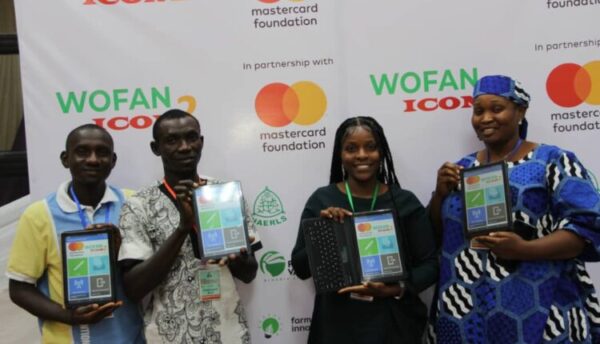
Women Farmers Advancement Network (WOFAN) has flagged off the implementation of Year 2 of the WOFAN-ICON2 Project with the onboarding of 500 new Extension Workers (EWs) and distribution of 500 Android Tablets and Power Banks to the EWs for knowledge management. SOLACEBASE reports that the Android Tablets, which will be used by the EWs to collect all Project implementation data, are preloaded with software that will aid crop production and processing as well as knowledge management by WOFAN and its partners during and after the implementation. Speaking during the launch, the Chairman of WOFAN’s Technical Advisory Board, Professor Sani Miko informed the EWs that they are critical to the attainment of Nigeria’s food security targets because they are the ones who take capacity building from source to the farmers while supporting the farmers to adopt best practices for improved outputs. In a remark,  the Executive Director of WOFAN, Hajia Salamatu Garba, explained that the EWs will receive training on different areas of production, processing, and enterprise development and their roles will be to mobilize smallholder youth farmers to form cooperative groups, training the farmers and support them with provision of extension services. “To be successful, you must not make money your priority. Instead, you need to be passionate about working with farmers. If you have that passion and work hard, you will be successful. Money will come naturally”, she said. The official launch of Year 2 was attended by stakeholders from across the agricultural value chain, including government, tertiary and research institutions, service providers, financial institutions, the private sector, and non-governmental organizations. The occasion was chaired sector. The WOFAN-ICON2 Project is a 5-year intervention funded by the Mastercard Foundation to enhance the quality of life and economic empowerment of 675,000 young small-scale farmers and agripreneurs and their families across nine states in Nigeria. The states are Adamawa, Bauchi, Benue, Gombe, Jigawa, Kaduna, Kano, Nasarawa, and the Federal Capital Territory (FCT), Abuja. The Project is part of the Mastercard Foundation’s Young Africa Works (YAW) strategy which aims to enable 30 million young people in Africa, especially young women, to secure employment they see as dignified and fulfilling by 2030. The new EWs will join the 500 EWs already working with community partners to increase the outreach to young smallholder farmers and processors from 225,000 onboarded in the first year to 450,000 by the end of Year 2 with each EW working with 450 community partners who will be supported to form groups of 30 members each. Each of the EWs will also receive training on Good Agronomic Practices (GAP), ICT-led production technologies, improved processing technologies, financial literacy and linkages to markets, and waste-to-wealth management. The EWs will then go on to step down all the training to the community partners. They will follow up the training with effective and efficient extension service delivery, including demonstration of the application of inputs and use of labor-saving production and processing equipment to be provided for the community partners by the Project.