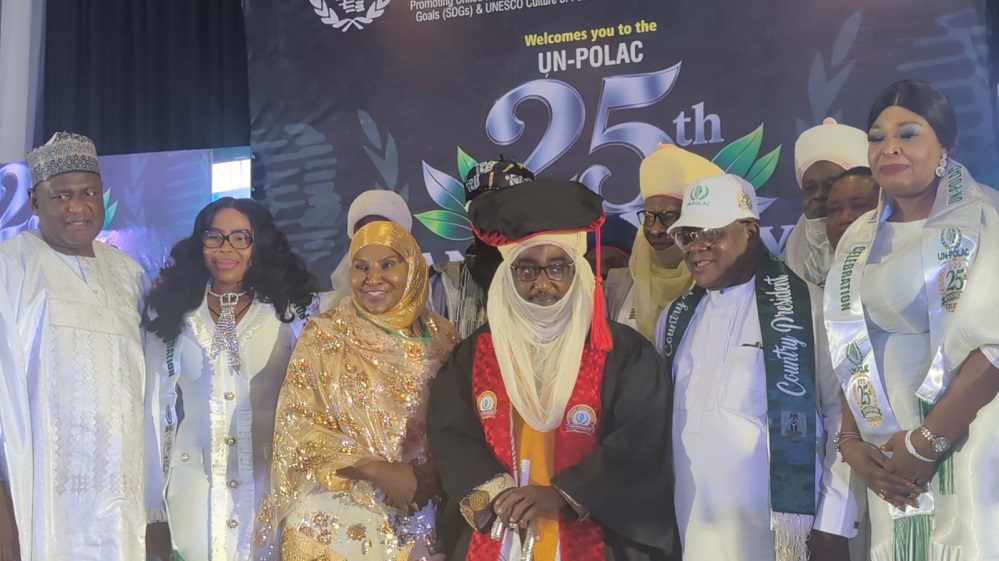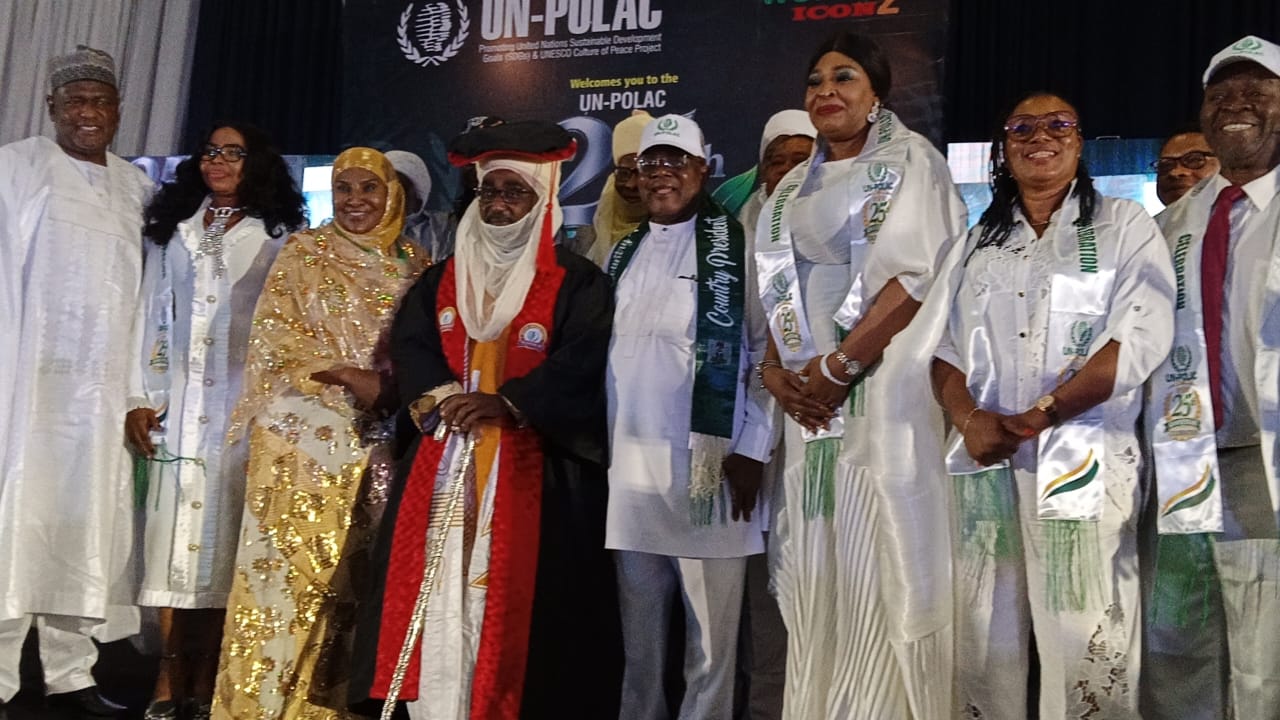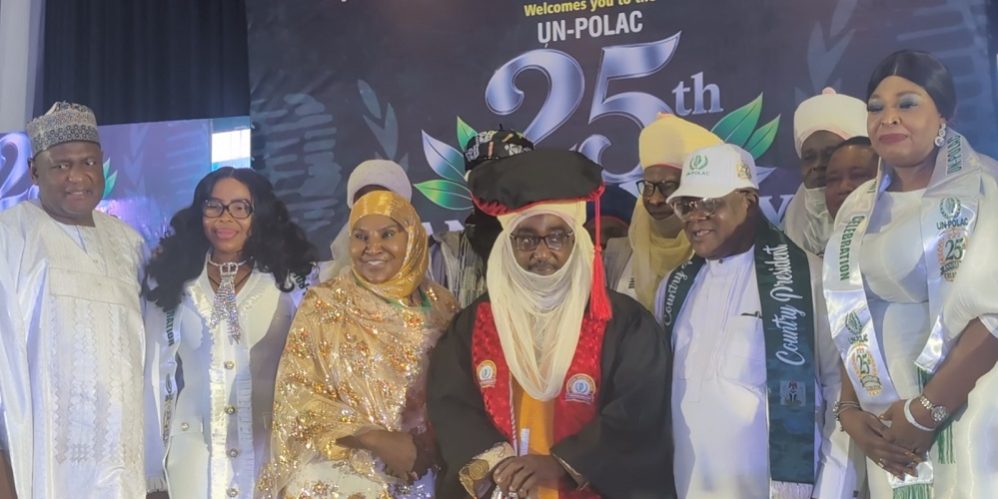
Traditional rulers, civil society leaders and the wife of the Jigawa State Governor, Dr Amina Umar Namadi, have called for renewed efforts to strengthen peacebuilding, religious tolerance, education and the protection of vulnerable groups as foundations for Nigeria’s sustainable development.
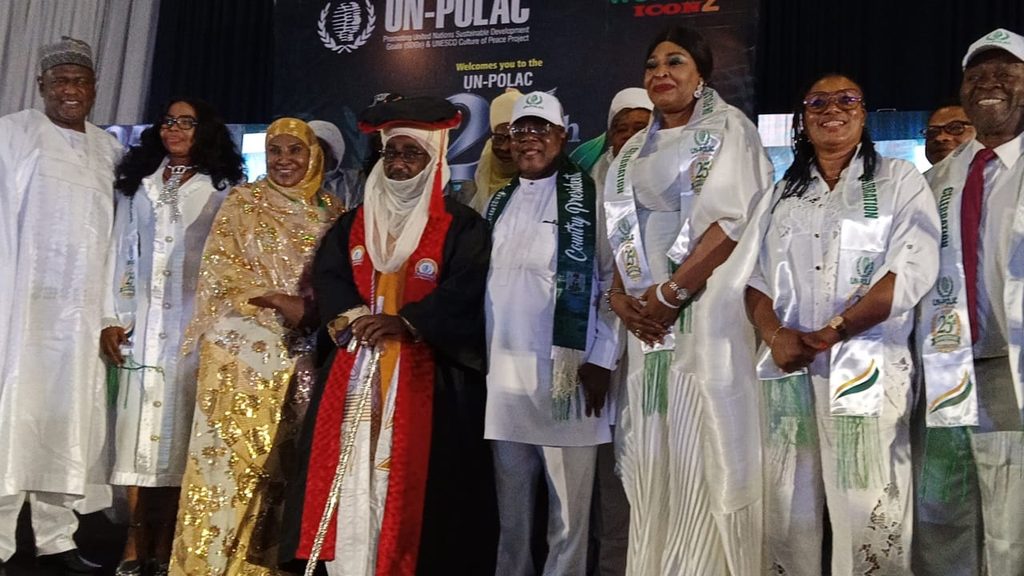
The call was made at the 25th anniversary of the United Nations Positive Livelihood Award Centre (UN-POLAC), held in Abuja, where stakeholders discussed peacebuilding, social development and nation-building under the theme, “Building Peace, Education and Sustainable Livelihood for Nigeria.”
Speakers included the Emir of Zazzau, His Royal Highness Ahmed Nuhu Bamalli; the Etsu of Kwali, His Royal Highness Luka Ayedoo Nizassan III; the Founder of the Women Farmers Advancement Network (WOFAN), Dr Salamatu Garba; and the wife of the Jigawa State Governor, Dr Namadi.
They stressed that lasting progress requires peaceful coexistence, equal opportunities, respect for human dignity and deliberate investment in children and young people.
According to them, insecurity, injustice and social exclusion will continue to hinder national development without these foundations.
The Emir of Zazzau, Bamalli, who received an Honorary Fellowship of the Positive Livelihood Award Centre (UN-POLAC), described peace as the foundation of progress.
“Peace is the foundation upon which progress is built. Without peace, there can be no meaningful development, and without justice, there can be no lasting peace,” he said.
Recognised for his contributions to sustainable development and positive social impact, the Emir called on the government, traditional institutions and civil society to strengthen dialogue, mediation and reconciliation at the community level.
On education, Bamalli emphasised its power to empower individuals and transform society, particularly through prioritising girls’ education and expanding opportunities for young people.
“A society that invests in its children invests in its future,” he noted, urging the provision of quality education for every child, regardless of background.
The Etsu of Kwali, Nizassan, who received an Honorary Doctorate Degree in recognition of his contributions to peace, educational development and the empowerment of women and the girl child, highlighted the need for greater religious tolerance, cultural understanding and mutual respect.
Drawing on his 2009 international attachment in the United Kingdom, where he interacted with people of diverse nationalities and faiths, he said such experiences reinforced the importance of listening across differences rather than allowing them to breed hostility.
He also identified education and youth empowerment as essential to sustainable development.
The Founder of WOFAN, Dr Salamatu Garba, who was appointed the first National Technical and Partnership Adviser of the UN-POLAC Foundation in Nigeria, called for collective responsibility in protecting vulnerable children.
“We deliberately left the children of underprivileged communities. We allowed these children to be neglected and focused only on our own individual children,” she said, warning that such neglect deepened social problems, including kidnapping and other crimes.
Reflecting on a peacebuilding visit to Rwanda, Garba stressed the importance of reconciliation, national unity and overcoming divisions.
She said she was developing an initiative to take more Nigerians to Rwanda to learn from the country’s experience.
Garba also called for respect for freedom of belief and equal dignity for all.
“Can we all see each other as one? Can we respect the education of every other child? Can we bring dignity? Dignity should be a right to everyone,” she added.
Speaking at the event while receiving an Honorary Fellowship Award from UN-POLAC, Dr Namadi said peace in Nigeria must be for everyone, not only the rich and privileged.
She stressed that every Nigerian, regardless of status, background or circumstances, deserved a life of peace, security and dignity.
Building a peaceful nation, she said, was a shared responsibility that required justice, compassion, inclusion and equal opportunities for all.
The Jigawa First Lady particularly called for investment in education for children from less privileged backgrounds and equal opportunities for everyone, stressing the need to make the protection of vulnerable groups a national priority.
Protecting the most vulnerable and ensuring that no child was left behind, she added, were essential to lasting security and social cohesion.