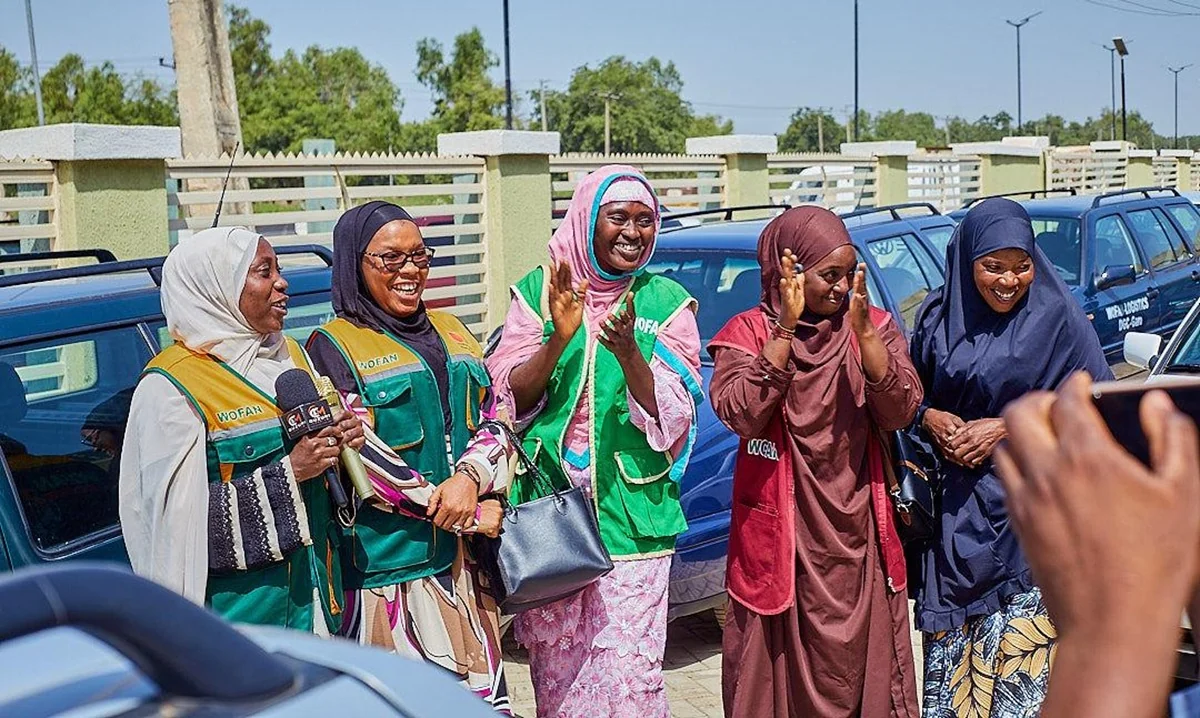
WOFAN’s Crowdfunding Model Targets Improved Agricultural Extension Delivery

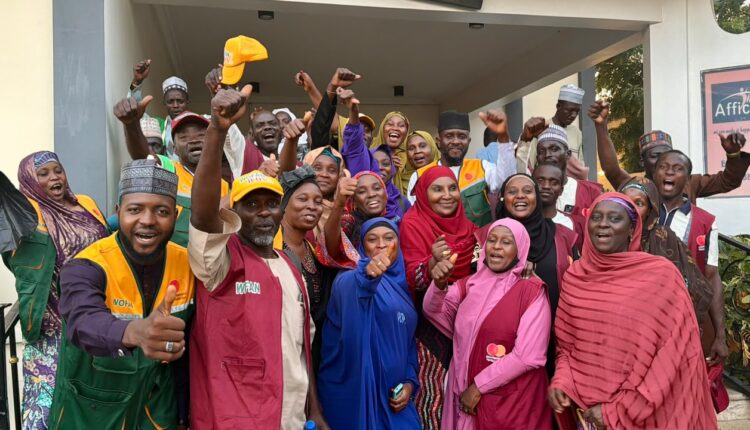
The Women Farmers Advancement Network (WOFAN) has demonstrated how crowdfunding and community-based savings can improve agricultural extension delivery with the provision of 15 Volkswagen Golf vehicles to super trainers implementing its ICON2 project in Kano and Jigawa states. Under the financing arrangement, beneficiaries contributed 50 per cent of the cost of the vehicles, while WOFAN provided the remaining half through its revolving support model, giving extension workers improved mobility to reach farming communities, access markets and generate additional income. The initiative seeks to address transportation challenges that often limit the reach of agricultural extension services, particularly in rural communities where farmers depend on extension workers for technical guidance, training and information on improved farming practices. WOFAN Founder and Global Advocate, Dr Salamatu Garba, said the intervention was designed to equip super trainers, extension workers and community leaders with the means to reach more farmers and improve agricultural service delivery. “We are commissioning batch one of logistic vehicles for our super trainers, extension workers and community leaders. Through their own savings and our complementary support, they now have the mobility needed to reduce the gap farmers face at harvest, move produce to markets, and carry out their extension work more effectively,” Garba said. She explained that the vehicles would serve both operational and commercial purposes, enabling beneficiaries to discharge their extension responsibilities while generating additional income through the transportation of goods and passengers. According to her, improved mobility would ease the difficulties associated with reaching remote farming settlements and reduce beneficiaries’ dependence on commercial transportation when moving between farms, communities and markets. The crowdfunding model requires super trainers to organise themselves into groups, typically comprising seven or eight members, and save half the cost of the vehicles over an agreed period. WOFAN then provides the balance through its revolving support arrangement. The scheme builds on the organisation’s experience in providing productive assets, including tractors, threshers and other equipment, to women farmers, youths and agricultural marketers under the WOFAN ICON2 project. By combining beneficiaries’ contributions with institutional support, the model promotes financial discipline, collective responsibility and ownership while expanding access to productive assets that individual rural workers might otherwise struggle to afford. The initiative also reinforces the role of super trainers in agricultural extension delivery. Having progressed from the ranks of extension workers through commitment and performance, they train other extension personnel, community leaders and cluster leaders, who subsequently replicate the training in their communities. Their responsibilities include promoting financial inclusion and encouraging savings among rural households, making the vehicle scheme an opportunity to demonstrate the benefits of the financial practices they teach. The additional mobility is expected to strengthen this training network, improve the frequency of community engagements and facilitate the transfer of agricultural knowledge between extension personnel and farmers. Chairman of WOFAN’s Technical Board, Professor Sani Miko, described the initiative as a demonstration of how collective savings and shared responsibility could expand economic opportunities for vulnerable groups. He urged the beneficiaries to use the vehicles responsibly and serve as good ambassadors of the organisation, while commending WOFAN’s crowdfunding approach to productive asset ownership. The vehicles will complement existing transportation options used by beneficiaries, including two-wheel and three-wheel tricycles, tauraruwa pickups and other vehicles supporting agricultural and value-chain activities. Beneficiaries, including Sadiya Ibrahim, Hajiya Bilkisu from Jigawa State and Isyaku Yahaya from Garun Mallam in Kano State, expressed appreciation for the intervention, describing it as a boost to their work and the services they provide to farming communities. They said the vehicles would improve their ability to reach farmers, conduct training activities and explore additional income-generating opportunities. WOFAN said it planned further distributions of vehicles and pickups to extend the scheme to more participating clusters. The commissioning of the first 15 vehicles in Kano and Jigawa states highlights the potential of crowdfunding and community savings as alternative mechanisms for financing agricultural development, particularly when beneficiaries’ contributions are matched with institutional support. Beyond addressing transportation constraints, the initiative places agricultural extension workers at the centre of efforts to improve farmers’ access to knowledge, technical assistance and improved farming practices. WOFAN is a Nigerian non-governmental organisation working in partnership with the Mastercard Foundation to empower women farmers, youths and persons with disabilities through agricultural training, capacity building, financial inclusion and community-based livelihood initiatives.

Details
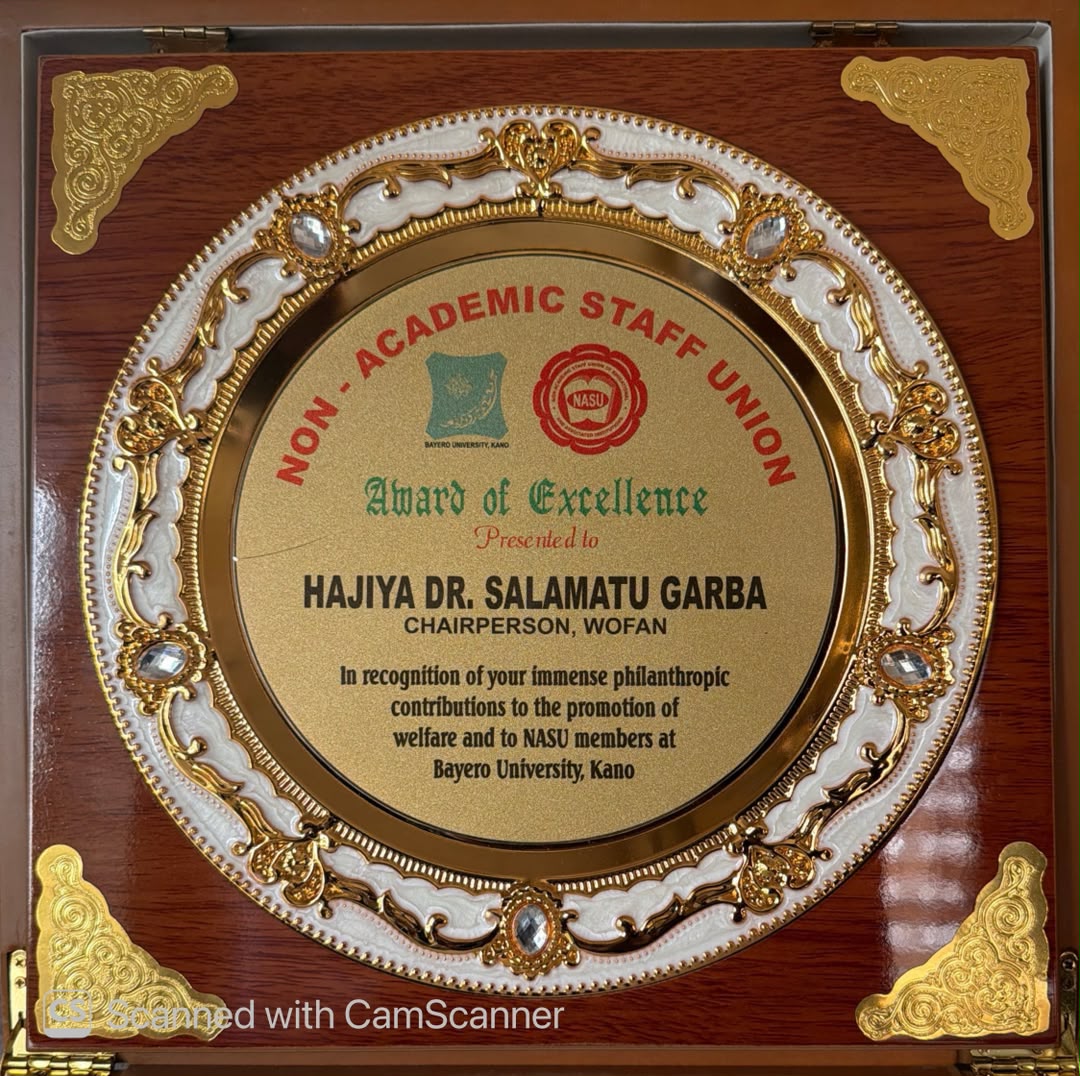
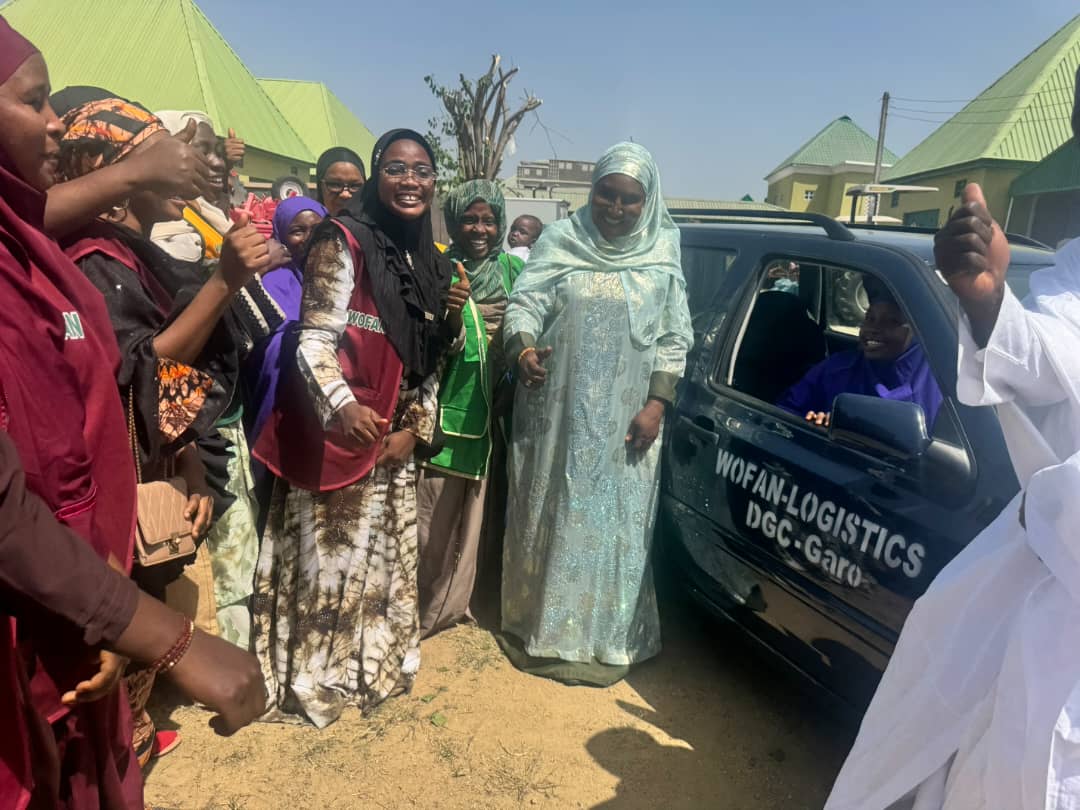
NASU Honours WOFAN Founder, Dr Salamatu Garba, with Award of Excellence

The Non-Academic Staff Union of Educational and Associated Institutions (NASU) has honoured the Founder and Global Advocate of the Women Farmers Advancement Network (WOFAN), Hajiya Dr Salamatu Garba, with an Award of Excellence in recognition of her outstanding philanthropic contributions and unwavering support for staff welfare. The award was presented during the National Executive Council (NEC) meeting of the Universities and Inter-University Centres Trade Group Council, held on 28 October 2026 at Bayero University, Kano. Presenting the award, the Deputy National President of NASU described Dr Garba as a compassionate leader whose humanitarian interventions through WOFAN have positively impacted the lives of junior staff members at Bayero University, Kano He noted that the honour also recognises her sustained commitment to improving the welfare and well-being of NASU members. The Deputy Vice-Chancellor, Research and Development at BUK, Professor Amina Mustapha, presented the award on behalf of the union to Professor Mahmoud Ibrahim Daneji, a member of the WOFAN Governing Board, who received it on behalf of Dr Salamatu Garba. The NEC meeting attracted delegates from NASU chapters across the 36 states of the federation.

Details

PHOTOS: WOFAN Super Trainers Reap Benefits of Crowdfunding

Super trainers of the Women Farmers Advancement Network (WOFAN) implementing the WOFAN ICON2 project have taken centre stage in a crowdfunding initiative that has delivered 15 Golf cars to enhance their work, source of income and efficiency across Kano and Jigawa States. SolaceBase reports that these super trainers rose from the ranks of extension workers through sustained effort, dedication and consistent performance. They are responsible for training other extension workers, community leaders and cluster leaders. After receiving training, they step the training down in their communities, serving as role models and key facilitators. The role of the super trainers also includes financial inclusion programmes — and they have now put into practice the very savings culture they teach others. Organised into groups of typically seven or eight members each, the super trainers saved 50 per cent of the cost of the vehicles over a defined period. WOFAN matched the remaining 50 per cent under its established revolving support model — the same approach successfully used for tractors, threshers and other productive assets provided to women farmers, youths and agro-marketers under the WOFAN-ICON2PROJECT. “We are commissioning batch 1 of logistics vehicles for our super trainers, Extension workers and community leaders. Through their own savings and our complementary support, they now have the mobility needed to reduce the gap farmers face at harvest, move produce to markets, and carry out their extension work more effectively,” said Dr Salamatu Garba, WOFAN Founder and Global Advocate, on Monday, in Kano. She explained that the vehicles will also enable the beneficiaries to generate additional income by transporting goods and passengers, while making it easier and more affordable to move training participants and staff between communities, farms and markets. Instead of the hardship of trekking or relying solely on commercial transport, the super trainers now have reliable mobility for their day-to-day duties. The crowdfunding model has become a practical household strategy within WOFAN. It enables groups to address shared challenges, strengthen their economic position, rebuild livelihoods and build cohesion among members and communities. With the vehicles, the super trainers complement other forms of mobility already in use — including two-leg and three-leg tricycles, tauraruwa (pickups) and other tricycles — further reducing logistical barriers that have long hindered agricultural extension and value-chain activities. “This initiative promotes financial discipline, collective responsibility and economic independence,” said Professor Sani Miko, Chairman of the Technical Board of WOFAN. He advised the beneficiaries to use the vehicles responsibly and serve as good ambassadors of the organisation, while commending the WOFAN Crowd funding initiative to vulnerable groups. It is expected that this model will continue to be amplified between and within communities and groups. Beneficiaries, including Sadiya Ibrahim, Hajiya Bilkisu from Jigawa State, and Isyaku Yahaya from Garun Mallam, expressed deep appreciation for the support, describing it as a valuable intervention that will significantly improve their effectiveness and the services they deliver to farming communities. WOFAN plans further distributions, including additional vehicles and pickups, to expand the scheme. The formal launch of these 15 Golf cars marks the start of this phase for the participating clusters of super trainers in Kano and Jigawa States — a clear demonstration of how community savings, matched by organisational support, can transform the work of those at the frontline The Women Farmers Advancement Network (WOFAN) is a Nigerian non-governmental organisation in partnership with Mastercard Foundation dedicated to empowering women farmers, youths and persons with disabilities in improving agricultural productivity, promoting financial inclusion, and strengthening rural livelihoods through training, capacity building and community-based initiatives.

Details

WOFAN commences Rural Women’s Day, World Food Day activities, aligns empowerment with global theme

The Women Farmers Advancement Network (WOFAN) has commenced activities to mark the 2026 International Day of Rural Women and World Food Day, aligning its empowerment programmes with global themes on rural women’s contributions to agriculture and  food security. SolaceBase reports that the programme aligns with the International Day of Rural Women theme, “Rural Women Farmers Caring for Mother Nature,” and World Food Day’s theme, “Innovate Today. Nourish Tomorrow.” It also reflects 2026 as the International Year of the Woman Farmer. At the launch, WOFAN introduced the themes, called on leaders to prioritise practical support, and heard from beneficiaries who have progressed from receiving farm inputs to becoming agripreneurs, landowners, farm owners, and operators of their own processing facilities. Speaking at the event, WOFAN Founder and Global Advocate, Dr Salamatu Garba, said the organisation had helped women in Kano and Jigawa increase production, raise incomes, and run independent businesses. She said WOFAN organises women into groups, provides grants, farm inputs, and training, links them to markets, and supports them in opening bank accounts. According to her, the organisation has established more than 245 processing centres, mainly for rice, across the two states. Some women who previously worked as labourers now own and operate processing centres, creating employment opportunities for young people. In his remarks, WOFAN’s Monitoring and Data Management Lead, Sadik Hassan Zakariyya, said the organisation’s approach focuses on building capacity, confidence, and financial independence rather than providing mere handouts. He cited the school built by Bagauda farmers through collective savings as evidence that economic empowerment can drive broader community development. Zakariyya urged federal and state governments, as well as other stakeholders, to identify actual needs, address training gaps, and invest in long-term, practical support. “The best way is for government to start by identifying the critical needs of every sector. When you identify the need and training gaps of people, put them together and train them,” she said. She also called for practical agricultural education and greater accountability from leaders on education, employment, and economic empowerment. Beneficiaries also shared their experiences and the impact of WOFAN’s interventions on their livelihoods. Rabi Yusuf from Ikara, Kaduna State, said WOFAN had helped rural women recognise their value and improve their livelihoods. Rabi Umar Idris from Karfi described how the support ended years of eviction threats and enabled her children to attend school, including private school. Shukurana Shu’aibu of Rantal Logistics Riders said more than 180 members now use tricycles provided by WOFAN, adding that each tricycle supports at least five people who previously carried loads on their heads. By equipping rural women and other value-chain actors with skills, resources, and market access, WOFAN aims to strengthen livelihoods, increase productivity, and contribute to food security. The organisation also takes its activities to different levels while highlighting farms operated by persons with disabilities (PWDs) during harvest. WOFAN continues to demonstrate how targeted and inclusive empowerment can transform beneficiaries into owners who take charge of issues affecting their lives and livelihoods. The activities are expected to continue with practical demonstrations, showcases, and other engagements across states, local government areas, and communities in all WOFAN target states.

Details

CSSN Confers Fellowship on WOFAN founder Salamatu Garba

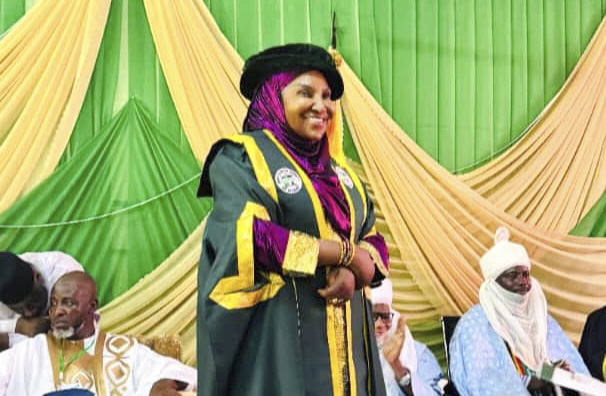
The Crop Science Society of Nigeria (CSSN) has conferred its prestigious fellowship on Dr Salamatu Garba, founder of the Women Farmers Advancement Network (WOFAN), for her contributions to  agricultural development and  farmer empowerment in Nigeria and across Africa. The award was presented on Monday at the society’s 11th National Conference and Annual General Meeting in Dutse, Jigawa State. SolaceBase reports that the five-day event, running from October 12 to 16, 2026, is themed “Advancing Sustainable Crop Production and Climate-Smart Technology for Food Security and Economic Growth.” CSSN President, Professor Aminu Ahmad Muhammad, described the fellowship as the society’s highest honour, reserved for those who have made exceptional contributions to crop production. He noted that Garba’s recognition reflects both her professional achievements and the impact of her work on communities, adding that the society is open to collaboration with WOFAN to translate research into practical solutions for farmers. A trained plant pathologist, Garba said the award affirms that sustained service is eventually recognised. She explained that her work began in the classroom in 1993 with 28 people and has since expanded into community-based interventions reaching more than seven million beneficiaries. “I started in the classroom, but I wanted my support to go beyond just the students,” she said. “Today I am still the same plant scientist, but using the science in a different way to touch millions of lives.” Through its programmes, WOFAN works with farming communities—particularly women and young people—to improve productivity, strengthen livelihoods and expand economic opportunities. Jigawa State Governor Malam Umar Namadi, also a fellowship recipient, described the conference theme as timely amid challenges such as climate variability, declining soil fertility, pests and diseases, rising costs and low adoption of improved technologies. He called on crop scientists to develop improved varieties, promote efficient soil and water management, strengthen integrated pest management and scale up climate-smart approaches, while ensuring research is translated into affordable solutions for smallholder farmers. He urged stronger partnerships among universities, research institutions, government agencies, the private sector and farming communities, as well as mentorship for young scientists. Professor Amina Mustapha, representing Bayero University Kano Vice-Chancellor Professor Haruna Musa, said the fellowship recognises Garba’s substantial contributions to agricultural development and smallholder farmers, including her work with the university’s Centre for Dryland Agriculture. Other recipients included Professor Muhammad Auwal Hussain and Professor Paul Kayode Baiyeri. The recognition underscores the value of linking scientific expertise with community-level action to address food security challenges and build a more resilient agricultural sector.

Details

WOFAN’S crowdfunding model: Turning Rural Women into Investment-Ready Entrepreneurs

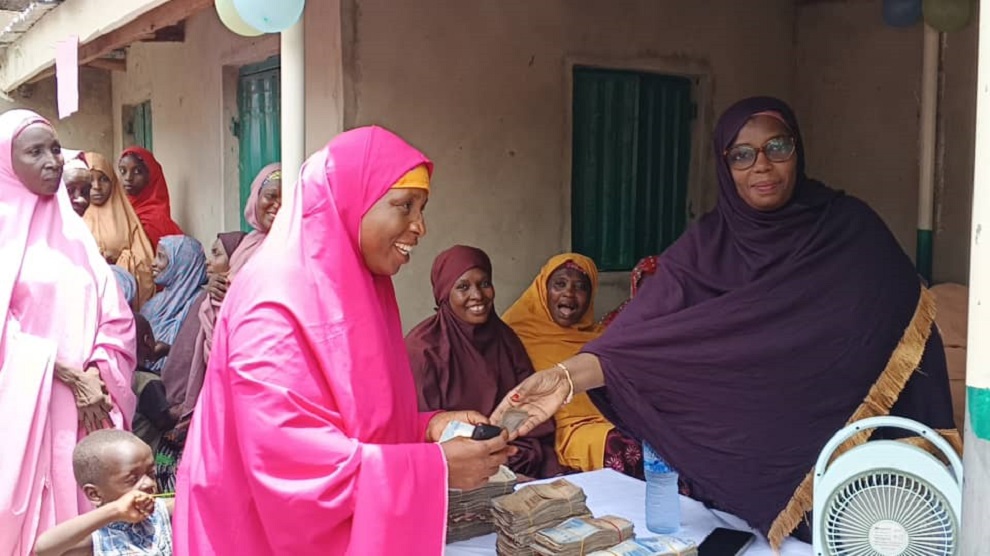
For decades, financial exclusion has remained one of the less visible barriers limiting the economic potential of rural women, smallholder farmers and persons with disabilities in northern Nigeria. Although they play important roles in farming, food processing, trading and other forms of rural enterprise, many have operated largely outside the formal financial system. Their businesses have often depended on cash transactions, informal savings and low-return labour, leaving them with little financial history to present to banks or other formal investors. The Women Farmers Advancement Network (WOFAN) is seeking to change that narrative with a financial inclusion model that goes beyond handing out grants. At the heart of its approach is a simple but potentially transformative proposition: vulnerable entrepreneurs should not remain permanent recipients of development assistance. They should be prepared to save, manage capital, build viable businesses and ultimately attract larger pools of finance. WOFAN’s model combines savings, cooperative structures, grants, revolving funds and financial literacy, with crowdfunding and formal credit envisioned as the next steps in the financing journey. Its experience between 2025 and 2026 offers an emerging case study of how community-based financing could create a bridge between informal economic activity and the formal financial sector. According to a WOFAN financial inclusion briefing, the organisation has disbursed N207.58 million to 147 women’s cooperative clusters across Kano, Kaduna, Jigawa, the Federal Capital Territory, Bauchi and Gombe. The programme has also facilitated more than 90,000 bank accounts for previously unbanked women, while 12,750 persons with disabilities are targeted under the broader ICON2 programme. But the bigger story is not necessarily the amount of money distributed. It is the financial structure WOFAN is building around the beneficiaries. Traditional development interventions often face a familiar problem. Beneficiaries receive grants, establish or expand small businesses and, when the money is exhausted, return to the cycle of seeking another intervention. Its approach begins with groups of about 30 people and places emphasis on savings, bookkeeping, bank accounts and collective responsibility before beneficiaries progress to larger financial support. The grant, therefore, becomes more than financial assistance. It becomes part of a process through which beneficiaries demonstrate their capacity to manage money, maintain records and operate collectively. That distinction is particularly important to WOFAN’s crowdfunding ambitions. Crowdfunding is unlikely to work for an entrepreneur who cannot demonstrate a viable business, transparent financial records, sound management and a convincing investment proposition. A rural woman who has never operated a bank account or kept proper business records may struggle to convince formal lenders or potential investors to provide capital. WOFAN is attempting to build that evidence before beneficiaries approach the next level of financing. Of the N207.58 million disbursed, N154.35 million, representing 74.4 per cent, went to all 147 clusters in the first round. A second round of N28.03 million was provided to 33 clusters, while 12 high-performing clusters received a further N25.20 million in the third round. The structure introduces an important principle into community financing: capital follows performance. Rather than automatically increasing grants for every beneficiary, the model rewards savings discipline, record keeping, collective enterprise and the ability to manage additional capital. The 12 clusters that completed the three-stage process accumulated approximately N4.35 million each, representing a combined N49.3 million, or 23.7 per cent of the entire portfolio. This is where the intervention begins to move beyond conventional grant-making and towards investment readiness. On August 21, 2026, the 12 high-performing clusters received UBA presentation cheques of N2.1 million each, issued in the legal names of their cooperatives under the WOFAN-ICON2 programme. The significance goes beyond the value written on the cheques. For a woman who previously survived as a farm labourer, roadside trader, food processor or small-scale vendor, moving from daily cash transactions to managing capital through a registered cooperative account represents a fundamental shift in economic identity. She is no longer simply a recipient of assistance. She is becoming a participant in the formal financial system. Why crowdfunding matters That transition could eventually create a pipeline of rural borrowers whose savings patterns, business records and repayment behaviour can be assessed by banks and other financiers. The most intriguing part of the model is WOFAN’s recognition that grants alone cannot finance sustained enterprise growth. The organisation says beneficiaries are being prepared for crowdfunding and formal credit through training in business pitching, savings, bookkeeping and financial management. The progression is deliberate: organise beneficiaries into groups and clusters; establish bank accounts; develop savings habits; demonstrate financial discipline through staged grants; access revolving capital; and eventually pitch for crowdfunding or approach formal lenders. This represents a potentially significant shift in development finance. Crowdfunding could offer rural businesses an additional source of capital at a point where conventional bank lending remains difficult to access. It can also provide something else: market validation. An enterprise capable of attracting people willing to invest in or support its proposition has demonstrated a level of demand that may strengthen its case before other financiers. But crowdfunding should not be confused with grants. Depending on the platform and regulatory structure, crowdfunding can involve donations, rewards, pre-orders, equity or other forms of financial participation. WOFAN’s current programme should therefore be understood as preparing beneficiaries for crowdfunding, rather than suggesting that the N207.58 million already represents crowdfunding capital. That distinction matters when assessing the long-term sustainability of the model. From individual businesses to collective investment One of the strongest elements of the WOFAN approach is its emphasis on collective enterprise. An individual rural entrepreneur may struggle to raise enough money to purchase a tractor, harvester or processing equipment. But when hundreds or thousands of farmers pool their resources, the equation changes. The WOFAN briefing cites mega-clusters involving about 3,000 farmers who have pooled N27 million towards a multi-crop harvester, representing half of the machine’s cost, while another N9 million was pooled towards tractors, with WOFAN providing matching support. The example demonstrates how financial inclusion can move beyond simply opening bank accounts. An account by itself does not transform an enterprise. Its real value emerges when it…

Details

AFS Kigali 2026: Agric Minister aligns forum outcomes with Nigeria’s agricultural extension bill, seeks urgent passage

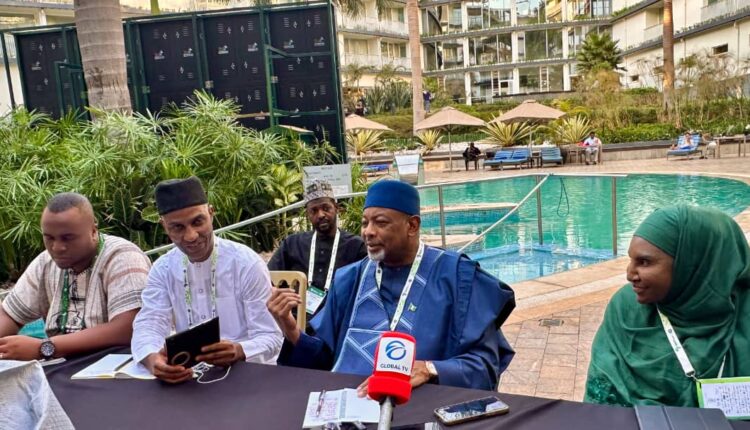
By Aliyu Inuwa Mansur and Nura Garba Minister of Agriculture and Food Security, Senator Abubakar Kyari, has aligned the outcomes of the Africa Food Systems Forum (AFS) 2026 in Kigali, Rwanda, with Nigeria’s proposed Agricultural Extension Services Revitalisation Bill, calling for its speedy passage to strengthen agricultural productivity, modernise extension services and build a resilient agri-food system. The Minister spoke with Nigerian journalists covering the Africa Food Systems Forum (AFS) 2026 in the Rwandan capital, where he observed that many of the issues dominating discussions at the continental gathering were agricultural policy priorities that resonate with Nigeria’s ongoing efforts to transform agriculture from subsistence farming to a competitive agribusiness sector. Referring to the forum’s theme, “Investing in Africa’s Agri-Food Systems: Nourishing Nations, Growing Jobs, Building Resilience,” Senator Kyari said it reflects the policy direction Nigeria must pursue to achieve food security, create jobs and develop climate-resilient food systems. He recalled that a similar policy instrument is already before the National Assembly in the form of the Agricultural Extension Services Revitalisation Bill, describing agricultural extension as a critical driver of food sufficiency, increased productivity and sustainable agricultural development. He noted that the enactment of the bill would strengthen farmers’ productivity and accelerate the transformation of Nigeria’s agricultural sector. Responding to questions on the proposed legislation, the Minister said the bill, which has already passed first reading in both the Senate and the House of Representatives, deserves urgent legislative attention to enable Nigeria enact a law that reflects the recommendations emerging from AFS 2026. “It is important to invest in agri-food systems, include women, youth and persons with disabilities, build climate resilience, and provide opportunities for finance and markets through a professional extension service,” the Minister said, adding that strengthening agricultural extension has remained one of his priorities since assuming office. SolaceBase reports that Senator Kyari observed that discussions in Kigali focused on many of the same issues addressed by the proposed legislation, including technology adoption, improved seed systems, climate-smart agriculture, inclusivity, digital transformation, data management and stronger linkages among farmers, researchers, development partners, financial institutions and the private sector. He also recalled his call at the 9th Africa Agriculture Science Week held in Abuja in July 2025 for stronger collaboration among governments, researchers, development partners, the private sector and farmers, noting that such partnerships remain a central pillar of the proposed Agricultural Extension Services Revitalisation Bill. Also speaking with journalists in Kigali, the Founder and Global Advocate, of the Women Farmers Advancement Network (WOFAN) and Head of WOFAN-ICON2 Project, Dr Salamatu Garba, reaffirmed the organisation’s support for the proposed legislation. She noted that WOFAN is among the co-sponsors of the Agricultural Extension Services  Bill, working alongside stakeholders, private-sector partners and farmers’ clusters to strengthen Nigeria’s agricultural extension system. Dr. Garba observed that the major sub-themes of the 20th Africa Food Systems Forum—including mobilising investment for agri-food systems, youth empowerment and entrepreneurship, women and inclusive food systems, climate resilience and sustainable agriculture—mirror many of the priorities the bill seeks to institutionalise. She confirmed that the bill has already passed its initial legislative stages in both the Senate and the House of Representatives, with the public hearing and other legislative processes still outstanding. She appealed to the Minister to support efforts to fast-track its passage, expressing confidence that the legislation would strengthen agricultural extension services and help address many of the challenges confronting farmers across Nigeria.

Details

WOFAN, PDS-UK delegates explore Rwanda’s peacebuilding, digital governance model

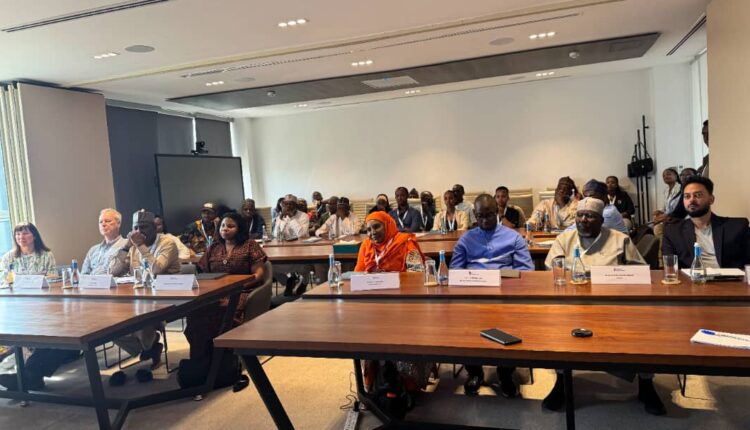
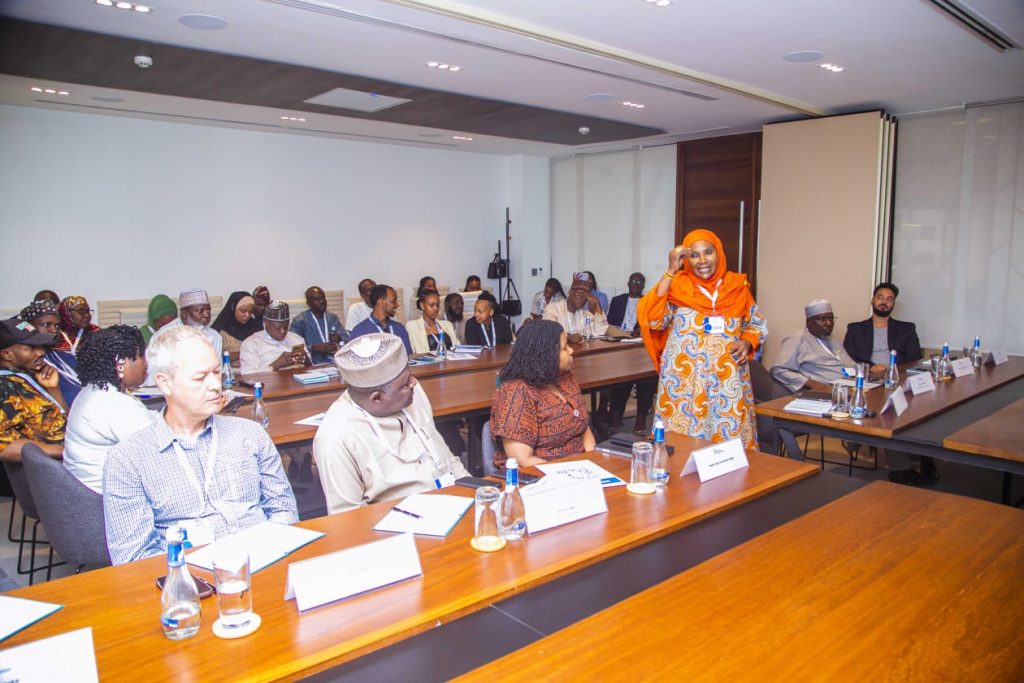
A delegation participating in a strategic communication training programme organised by the Women Farmers Advancement Network (WOFAN) and Prospects Development Services (PDS-UK) has studied Rwanda’s post-genocide recovery, national unity and digital governance systems as part of a three-day study tour in Kigali. SolaceBase reports that the second-day engagement took the participants to the Rwanda Cooperation Initiative (RCI), where they examined how Rwanda rebuilt social cohesion after the 1994 Genocide against the Tutsi and transformed its institutions through reforms in governance, justice, citizenship education and digital service delivery. The study visit was part of the training on “Strategic Communication: Integrating Digital and AI-Driven Innovation for Sustainable Leadership and Peacebuilding,” which seeks to expose participants to practical approaches to leadership, communication, peacebuilding and institutional development. Presentations by officials of Rwanda’s Ministry of National Unity and Civic Engagement (MINUBUMWE) focused on the policies and institutions established to strengthen national unity and prevent a recurrence of genocide ideology. The officials highlighted initiatives such as Ndi Umunyarwanda, Itorero civic education, community dialogue and the Gacaca courts, describing them as among the mechanisms used to rebuild trust and promote social cohesion. Speaking during the study visit, WOFAN Founder and Global Advocate, Dr. Salamatu Garba, commended RCI for sharing Rwanda’s experience with the delegation. She observed that several of the issues discussed during the engagement were similar to challenges confronting Nigeria, stressing the importance of mindset change, accountability, policy reform and responsible followership in achieving sustainable development. Dr. Garba said teachers were deliberately included in the delegation so they could transfer lessons from the study tour to younger generations. She expressed optimism that continued engagement between WOFAN, PDS-UK, the Nigeria High Commission and RCI would help turn the knowledge gained into practical policy actions and sustainable strategies. On his part, the Chief Executive Officer of RCI, Richard Niwenshuti, said Rwanda’s recovery was guided by the need to move beyond its darkest chapter, strengthen institutional accountability and pursue reforms on a large scale. According to him, the reforms have contributed to about 92 per cent health insurance coverage, universal access to primary and secondary education, and the digitisation of more than 240 public services through the Irembo platform. SolaceBase reports that the delegation was also briefed on Rwanda’s governance architecture, decentralisation, coordination and accountability mechanisms, as well as its digital transformation agenda. In his remarks, the Nigerian’s acting High Commissioner in Republic of Rwanda, Ambassador Ibrahim G. Zanna, represented by the First Secretary, Political Information and Culture, Zerah Yemilo Waminaje, described the engagement as an opportunity for participants to gain practical insight into how strategic communication, digital innovation and sustainable leadership can contribute to national development. The High Commission reaffirmed its commitment to strengthening institutional cooperation between Nigeria and Rwanda. The Nigeria High Commission also urged the participants to translate lessons from the study tour into practical efforts to strengthen institutions, promote digital transformation and advance peacebuilding in Nigeria. Unity and Social Cohesion Promotion Analyst, Donatien Nikuze, said Rwanda’s progress was supported by political will, inclusive leadership and sustained investment in peacebuilding and good governance. Nikuze disclosed that the country recorded a 95.3 per cent National Unity Barometer score in 2025, while noting that challenges, including genocide ideology, hate speech, trauma and the pursuit of fugitives, remained. He encouraged the visiting delegation to draw practical lessons from Rwanda’s experience while considering the realities of their own countries. The second-day engagement ended with a vote of thanks delivered by WOFAN Technical Board Member, Professor Mahmoud Daneji, who appreciated RCI, the facilitators, the Nigeria High Commission, PDS-UK, WOFAN and the participants for the successful engagement.

Details

WOFAN, PDS-UK delegation study Rwanda’s reconciliation, governance model

A delegation of Nigerian professionals participating in an international capacity-building programme in Kigali, Rwanda, has examined the country’s approach to national reconciliation, institutional governance and digital transformation. The programme is organised by the Women Farmers Advancement Network (WOFAN), a strategic partner of Bayero University, Kano, in collaboration with Prospects Development Services (PDS)-UK. The participants, drawn from government, academia, media, education, business and other professional sectors, visited the Rwanda Cooperation Initiative (RCI) on the second day of their study tour. The visit provided an opportunity for the delegation to gain insights into Rwanda’s efforts to rebuild national cohesion, strengthen public institutions and promote digital transformation following the 1994 Genocide against the Tutsi. The engagement focused on the policies, institutional frameworks and strategies adopted by Rwanda in its post-genocide reconstruction and development process. The training, titled “Strategic Communication: Integrating Digital and AI-Driven Innovation for Sustainable Leadership and Peacebuilding,” is focused on equipping participants with practical knowledge of strategic communication, inclusive governance, digital innovation, leadership and post-conflict reconstruction. During the engagement, officials of Rwanda’s Ministry of National Unity and Civic Engagement (MINUBUMWE) explained the policies and institutional measures adopted by the country to promote reconciliation and prevent a recurrence of genocide. They identified reforms in the justice system, inclusive governance, citizenship education, the promotion of a common national identity and measures to counter genocide ideology as central to Rwanda’s reconciliation process. The delegation was also briefed on initiatives such as Ndi Umunyarwanda, Itorero civic education, community dialogue programmes and the Gacaca courts, which officials said played important roles in restoring trust and rebuilding relationships within communities. Unity and Social Cohesion Promotion Analyst at MINUBUMWE, Donatien Nikuze, said Rwanda’s progress over the years was made possible by political commitment, inclusive leadership and sustained investment in peacebuilding and good governance. According to him, the country recorded a 95.3 per cent score in the National Unity Barometer in 2025. Nikuze, however, said Rwanda still grapples with challenges such as genocide ideology, hate speech, trauma and the continued search for genocide fugitives. He urged the Nigerian participants to draw relevant lessons from Rwanda’s experience while taking into consideration Nigeria’s peculiar political, social and institutional circumstances. Welcoming the delegation, Chief Executive Officer of RCI, Richard Niwenshuti, said Rwanda’s recovery was driven by a determination to move beyond its tragic past, build accountable institutions and develop solutions capable of delivering results on a large scale. Niwenshuti said the reforms had translated into improvements in social services and the deployment of technology in public administration. He said health insurance coverage had reached about 92 per cent, while the country had achieved universal access to primary and secondary education. He added that more than 240 public services had been digitised through Irembo, enabling citizens to access government services electronically. Participants were further taken through Rwanda’s governance structure, decentralisation framework, institutional coordination and accountability mechanisms, as well as its digital transformation programme. The sessions featured presentations from officials of MINUBUMWE, the Ministry of Justice (MINIJUST), Ministry of ICT and Innovation and the Rwanda Information Society Authority. In a goodwill message delivered on behalf of Nigeria’s Acting High Commissioner to Rwanda, Ambassador Ibrahim Zanna, the Nigeria High Commission challenged participants to ensure that lessons from the programme were translated into practical initiatives capable of strengthening Nigerian institutions. The mission said the study tour offered practical examples of how strategic communication, technology-driven innovation and sustainable leadership could be deployed to advance national development. It also pledged to continue supporting stronger institutional cooperation and knowledge exchange between Nigeria and Rwanda. Founder and Global Advocate of WOFAN, Hajia Dr Salamatu Garba, said the similarities between some of Rwanda’s past challenges and issues confronting Nigeria made the study visit particularly relevant. Garba commended RCI and other Rwandan institutions for sharing their experiences with the delegation, noting that sustainable development requires more than government action alone. She stressed the need for a change in mindset, stronger accountability, effective policy reforms and responsible followership. According to her, teachers were deliberately selected as part of the delegation because of their critical role in shaping younger generations and passing knowledge acquired from the programme to students. Garba expressed hope that collaboration among WOFAN, the Nigeria High Commission and RCI would continue beyond the study tour and lead to practical policy initiatives and sustainable development strategies. She said the lessons gathered should be applied gradually and consistently, stressing that meaningful transformation could be achieved “step by step.” WOFAN Technical Board member, Professor Mahmoud Daneji, who delivered the vote of thanks on behalf of the participants, commended RCI, the facilitators, the Nigeria High Commission, PDS-UK and WOFAN for facilitating the programme. He described the second-day engagement as productive and appreciated members of the delegation for their participation. The Kigali study tour is part of the wider international training programme designed to strengthen participants’ capacity in strategic communication, digital and artificial intelligence-driven innovation, sustainable leadership and peacebuilding.

Details

WOFAN and PDS-UK Delegates Understudy Rwanda’s Unity, Peacebuilding and Digital Governance Model at RCI, Kigali

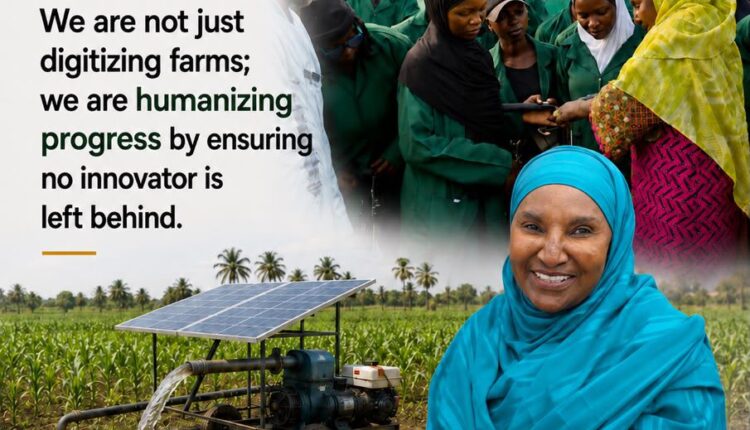
The Founder and Executive Director of the Women Farmers Advancement Network (WOFAN) and Global Advocate, Dr. Salamatu Garba, will join leaders, farmers, innovators, investors, policymakers, development partners and other key stakeholders at the Africa Food Systems Forum (AFSF) 2026 in Kigali, Rwanda. The forum, scheduled for September 1–4, 2026, will be held under the theme: “Investing in Africa’s Agri-Food Systems: Nourishing Nations. Growing Jobs. Building Resilience.” SolaceBase reports that WOFAN will participate in discussions focused on the future of Africa’s food systems and pathways towards more inclusive, resilient and sustainable agriculture. With over 7 million farmers empowered across Nigeria, WOFAN continues to support communities and create opportunities across the agricultural value chain. The organisation’s interventions include empowering women, youth and Persons with Disabilities (PWDs), while promoting mechanisation, digital innovation, climate-smart agriculture, improved agricultural practices, inclusive livelihoods and stronger farmer-led value chains. WOFAN said its approach goes beyond the digitisation of farms, stressing the importance of ensuring that innovators and communities are not left behind in the process of agricultural transformation. “We are not just digitizing farms; we are humanizing progress by ensuring no innovator is left behind,” the organisation said. As Africa works towards stronger and more resilient food systems, WOFAN said it remains committed to empowering people, strengthening communities and building a future where everyone has the opportunity to participate and thrive.

Details