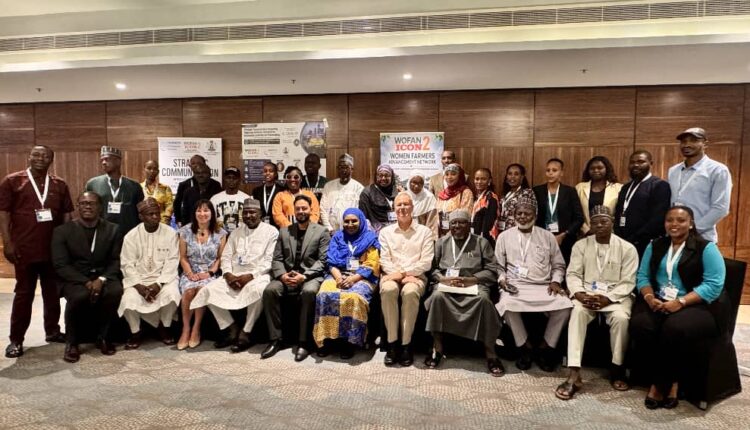
Nigeria High Commission in Rwanda hails WOFAN’s impact on youth, women as strategic communication, digital innovation training opens in Kigali

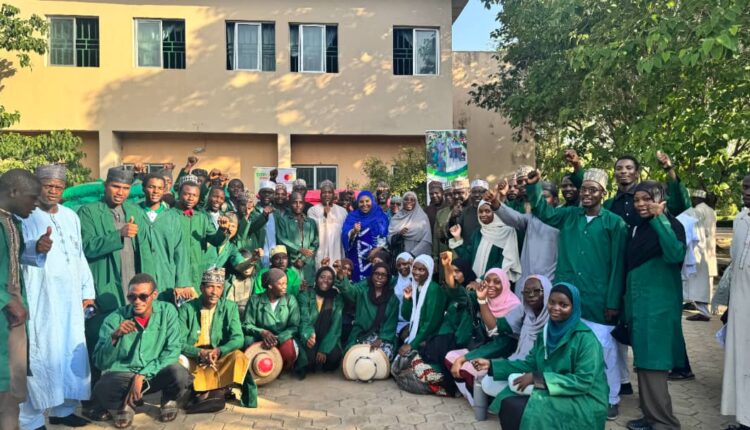
The Nigeria High Commission in the Republic of Rwanda on Thursday commended the Women Farmers Advancement Network (WOFAN) for its transformative impact on youth, women and farming communities, describing the organisation’s decision to champion strategic  communication, digital innovation, artificial intelligence and peacebuilding as a demonstration of visionary leadership. Delivering a goodwill message on behalf of the Acting High Commissioner, Ambassador Ibrahim G. Zanna, at the opening of the international training on “Strategic Communication: Integrating Digital and AI-Driven Innovation for Sustainable Leadership and Peacebuilding – Rwanda as a Case Study for Digital Transformation and Post-Conflict Reconstruction,”, Zerah Yemilo WAMINAJE, First Secretary, Political Information and Culture, praised WOFAN and its partner, Prospects Development Services, for convening a timely forum that addresses some of Africa’s most pressing development priorities. Zanna noted that an organisation renowned for empowering women, youth and farming communities has once again demonstrated its foresight by expanding the conversation to strategic communication, digital transformation and artificial intelligence. SolaceBase reports that the high Commissioner further applauded WOFAN’s unwavering commitment to advancing women’s leadership, stressing that sustainable development cannot be achieved without the meaningful participation of women in decision-making. It also encouraged participants to draw practical lessons from Rwanda’s remarkable journey in digital transformation, institutional development and post-conflict reconstruction, and to apply those experiences in strengthening governance, leadership and public service delivery across Africa. Reaffirming Nigeria’s commitment to supporting initiatives that promote innovation, institutional partnerships and sustainable development, the High Commissioner pledged its continued collaboration with WOFAN in fostering stronger ties between Nigeria and Rwanda. It expressed confidence that the three-day training would equip participants with practical knowledge and ethical leadership skills needed to harness digital technologies and artificial intelligence for inclusive development, peacebuilding and sustainable leadership. In her welcome address, the Founder and Executive Director of WOFAN and global advocate for women and youth empowerment, Dr. Salamatu Garba, described the training as a unique opportunity for participants to learn from one another and draw valuable lessons from Rwanda’s remarkable transformation. She noted that Rwanda’s journey from a troubled past to becoming a model of resilience, innovation and development offers practical lessons for institutions across Africa. She expressed WOFAN’s pride in partnering with Rwanda in promoting knowledge exchange and sustainable development. Dr. Garba urged participants to approach the training with open minds and a commitment to applying the knowledge and skills acquired to their respective organisations and communities. She emphasized that the ultimate goal is to translate the lessons on strategic communication, digital innovation and artificial intelligence into tangible outcomes that strengthen leadership, institutional performance and sustainable development. On his part, the founder and Chief Executive Officer of Prospects Development Services (PDS) UK, Bayode Tokumbo Hambolu, introduced PDS as one of the United Kingdom’s leading strategic training hubs for executives and institutions. He highlighted the organisation’s commitment to delivering world-class professional development programmes, noting that its courses are accredited by the Accreditation Service for International Schools, Colleges and Universities (ASIC), one of the UK’s recognised accreditation bodies. Speaking earlier, the Chairman of the Governing Board of the Women Farmers Advancement Network (WOFAN), Professor Sani Miko, gave participants an overview of the organisation’s history, mission and vision. He disclosed that WOFAN has empowered more than 675,000 women and youth smallholder farmers through capacity-building initiatives and has now expanded its mandate to reach 1.5 million smallholder farmers through enhanced training, information sharing and other empowerment programmes. He added that the organisation has also facilitated thousands of smallholder farmers’ access to finance, enabling them to improve productivity and livelihoods. One of the facilitators, Adrian Webb, Chairman of British technology company Outcome Path and a lecturer in AI ethics, said the first session focused on the importance of strategic communication in an era where artificial intelligence is rapidly transforming how people and organisations  communicate. Webb said the key message of his session was that despite the rapid development of AI, communication remained fundamentally about people. “The key highlight today was to get people to realise that really we are humans  communicating with humans, whatever technologies we use,” he said. He explained that  strategic communication involves understanding how to influence perspectives and build better outcomes, making it an essential component of the work of organisations serving communities. The participants comprise academics, media professionals, government executives, legislative staff, school administrators and teachers, all brought together to acquire practical knowledge in strategic communication, digital transformation and AI-driven innovation. One of the participants, Chioma Perpetual, described the training as a valuable opportunity to gain practical knowledge on strategic communication, digital transformation and artificial intelligence. She said the sessions on strategic communication and AI were particularly relevant in view of the growing influence of digital technologies on organisations and society. The training is expected to equip the participants with the skills required to drive meaningful change, enhance institutional effectiveness and create lasting impact within their various sectors.

Details
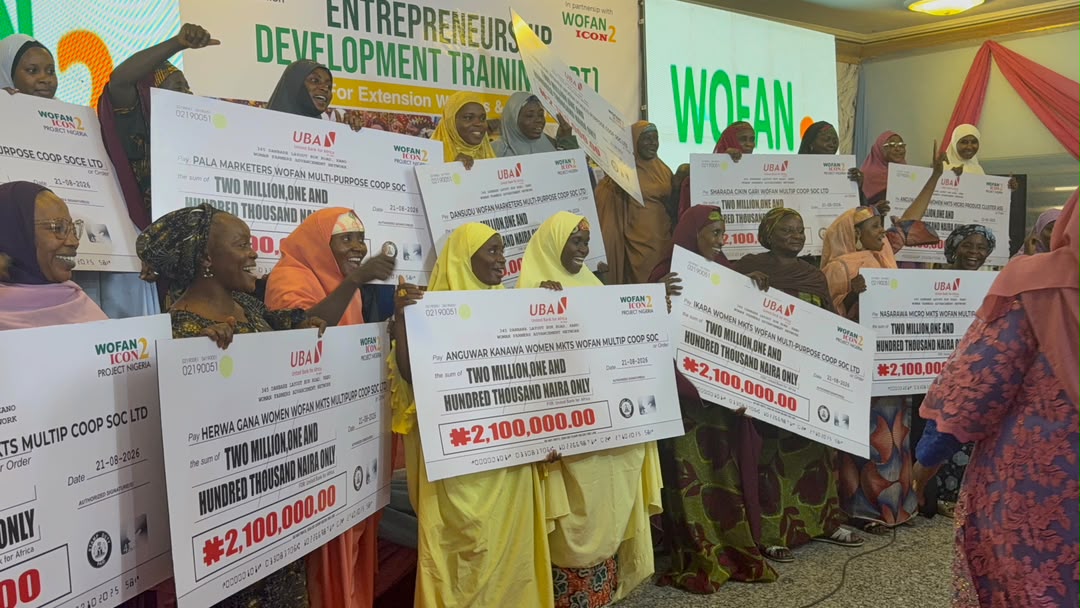
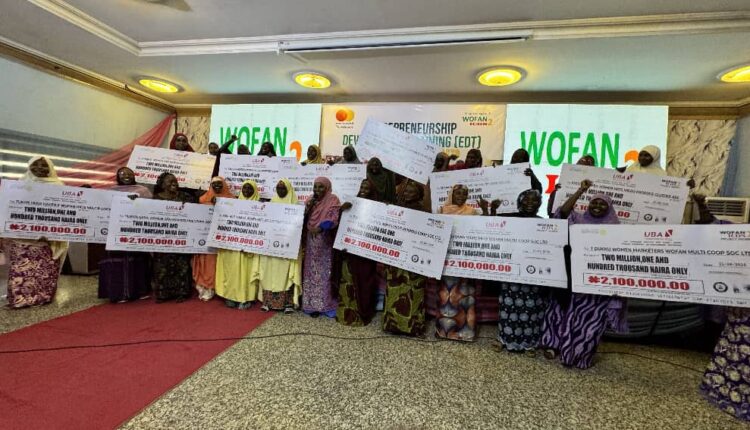
WOFAN disburses N25.2m to 12 women’s cooperative clusters

The Women Farmers Advancement Network (WOFAN) has disbursed N25.2 million to 12 high-performing women’s cooperative clusters as part of efforts to deepen financial inclusion, strengthen grassroots enterprises and improve women’s access to sustainable finance. Under the intervention, each of the 12 clusters received N2.1 million in additional financial support after demonstrating strong savings discipline, business growth and commitment to collective economic development. The disbursement was announced during an Entrepreneurship Development Training organised for extension workers and trainers from WOFAN’s North-West and North-East operational zones in Kano at the weekend. The training equipped participants with practical skills in business pitching, crowdfunding, marketing, financial management, bookkeeping, sales strategies and business planning. The programme aims to help women entrepreneurs build sustainable enterprises and gradually move from dependence on grants to accessing loans and other services from formal financial institutions. Speaking at the programme, WOFAN Global Advocate and Executive Board Chair Dr Salamatu Garba said the organisation was deliberately combining access to capital with entrepreneurship skills, savings and accountability to ensure the sustainability of women-led businesses. Garba said the beneficiary clusters had earlier received about N1.5 million each, adding that their accumulated savings and the latest N2.1 million intervention had significantly strengthened their capital base. She explained that some beneficiaries who previously earned a living as roadside food vendors and farm labourers, including widows and women heading households, now control between N4 million and N5 million when their savings, previous support and the latest intervention are combined. According to her, the progress recorded by the beneficiaries demonstrates how targeted financial support, accompanied by appropriate training, can enable grassroots women to expand their businesses and prepare them to access formal credit. “At WOFAN, we believe that when a woman is equipped with capital, skills and a supportive sisterhood, she does not merely survive; she transforms her destiny and that of her community. Every naira we invest in these cooperatives is an investment in Nigeria’s shared prosperity,” Garba said. She explained that WOFAN operates a performance-based support model, under which beneficiaries are assessed on their savings discipline, enterprise performance and ability to work collectively before qualifying for additional funding. Garba said the approach was designed not only to grow businesses but also to produce successful women entrepreneurs who could become peer mentors and support other women seeking to establish or expand enterprises. As part of the entrepreneurship training, participants were introduced to crowdfunding and business pitching as alternative ways to mobilise capital and present viable businesses to potential investors and financial institutions. WOFAN Business Development and Coordination Manager, Mr Taiwo Olawale, who facilitated sessions on business pitching, investor engagement, business orientation and business planning, said the training was structured to prepare beneficiaries for a gradual transition from grants to loans. Olawale said women who had demonstrated their capacity to responsibly manage grants and grow their enterprises could also develop the discipline required to access and repay loans from financial institutions. “If they can manage their own grants now, it means that they can manage loans,” he said. He cautioned, however, that extending loans to entrepreneurs without first equipping them with adequate financial management and business skills could undermine the sustainability of their enterprises. WOFAN Monitoring and Evaluation Officer Sadik Zakariya also trained participants on entrepreneurship, sales strategies, customer care and loyalty, enterprise sustainability monitoring, and business plan development. Zakariya stressed the need for entrepreneurs to understand their customers, regularly monitor business performance, and develop realistic business plans to guide investment and operational decisions. Similarly, WOFAN ICON-2 Finance Manager, Abdurasheed Abdulaziz, took participants through basic accounting and bookkeeping, emphasising that proper financial records were critical to effective business management, accountability and expansion. Representatives of the beneficiary clusters commended WOFAN for combining financial assistance with entrepreneurship training, saying the approach had helped to strengthen their savings culture and create new economic opportunities, particularly for young women and those from disadvantaged backgrounds. A cluster leader from Tukuntawa, Hayin Kwari, Hajiya Bara’ratu Baffa, said the N2.1 million additional support would enable members of her cooperative to strengthen their existing enterprises and explore new business opportunities. Baffa said WOFAN’s interventions had also changed the attitude of many women toward savings and reinvesting business profits. “Before, women would do business without thinking about how to save the profits, but WOFAN has helped us to understand the importance of saving and growing our businesses,” she said. Similarly, Samira Musa of the Tashar Dukku Women Agro-Marketers cluster in Gombe State said the intervention would enable members to expand their businesses and diversify into other viable enterprises. She urged beneficiaries to make effective use of the opportunities provided by WOFAN and deploy the additional capital in ways that would improve their livelihoods and increase their contributions to their families and communities. One participant and Super Trainer, Alhaji Harisu Sani Hayatu, described the training as valuable, saying it improved his knowledge and strengthened his capacity to train other beneficiaries. Another participant, Hauwa Babayo, also commended the initiative, saying the entrepreneurship training had enhanced her understanding of business development and management. WOFAN said the intervention forms part of its broader strategy to deepen financial inclusion among grassroots women by integrating grants, savings, entrepreneurship skills, accountability and access to finance. Through its performance-based revolving support model, the organisation seeks to transform short-term financial assistance into sustainable enterprises, enabling women to build stronger businesses, create economic opportunities and progressively connect with formal financial institutions.

Details

WOFAN continues its giant strides in financial inclusion, cooperative strengthening through crowdfunding, grant revolving scheme

The Women Farmers Advancement Network (WOFAN) has disbursed an additional N25.2 million to 12 high-performing cooperative clusters, rewarding their strong savings discipline, enterprise growth and commitment to collective economic development. Each of the 12 clusters received N2.1 million, with the latest support unveiled during an Entrepreneurship Development Training for extension workers and trainers from WOFAN’s North-West and North-East operational zones in Kano. The training, held on Saturday, focused on business pitching, crowdfunding, marketing, financial management, bookkeeping, sales strategies and business planning, as part of efforts to equip women entrepreneurs with the skills required to move beyond grant dependency and progress towards sustainable businesses and formal financial inclusion. Speaking during the programme, WOFAN Global Advocate and Executive Board Chair, Dr Salamatu Garba, said the organisation’s intervention was designed to combine capital with skills, savings and accountability to create sustainable enterprises at the grassroots. She said the clusters had previously received about N1.5 million, while their own savings and the latest financial support had significantly increased their capital base. According to her, some of the women, who previously worked as roadside food vendors and farm labourers, or were widows and heads of female-headed households, now control between N4 million and N5 million when their savings, previous support and the latest intervention are combined. She said the growth had placed the women in a stronger position to expand their businesses and eventually access formal loans and other financial services. “At WOFAN, we believe that when a woman is equipped with capital, skills and a supportive sisterhood, she does not merely survive – she transforms her destiny and that of her community. Every naira we invest in these cooperatives is an investment in Nigeria’s shared prosperity,” Dr Garba said. She explained that WOFAN’s model was based on performance, with beneficiaries assessed according to their savings discipline, enterprise performance and ability to work collectively before receiving additional support. The approach, she said, was intended to encourage beneficiaries to grow their businesses while creating successful entrepreneurs who could later serve as peer mentors to other women entering the business space. SolaceBase reports that the entrepreneurship training also exposed participants to crowdfunding and business pitching, enabling them to understand alternative ways of mobilising capital and presenting their enterprises to potential investors and financial institutions. The intervention is also aimed at preparing beneficiaries for a gradual transition from grants to formal financial services by building their capacity to manage money, maintain proper financial records, save consistently and operate sustainable enterprises. Speaking at the event, WOFAN Business Development and Coordination Manager, Mr Taiwo Olawale, who took participants through business pitching, investor engagement, business orientation and business planning, said the training was designed to prepare beneficiaries for a transition from grants to loans. He said beneficiaries who had demonstrated the ability to manage grants responsibly could develop the capacity to obtain and repay loans from financial institutions. “If they can manage their own grants now, it means that they can manage loans,” he said. He, however, cautioned that providing loans without first equipping entrepreneurs with financial management skills could undermine the sustainability of their businesses. WOFAN Monitoring and Evaluation Officer, Sadik Zakariya, took participants through entrepreneurship, sales strategies, customer care and loyalty, enterprise sustainability monitoring and business plan development. He stressed the importance of understanding customers, monitoring business performance and developing realistic plans to guide entrepreneurs in making sound business decisions. Also speaking at the event, WOFAN ICON-2 Finance Manager, Abdurasheed Abdulaziz, trained participants on basic accounting and bookkeeping, highlighting the importance of maintaining proper financial records in managing and growing a business. Representatives of the beneficiary clusters commended WOFAN for combining financial support with entrepreneurship training, saying the approach had strengthened their savings culture and created new opportunities for women, particularly young women and those from disadvantaged backgrounds. Hajiya Bara’ratu Baffa, a cluster leader from Tukuntawa, Hayin Kwari, whose cluster was among the 12 beneficiaries, said the N2.1 million support would help them strengthen their existing businesses and explore new opportunities. She said WOFAN had also helped members of the cluster develop a stronger savings culture, noting that the women were now more conscious of saving and reinvesting their profits. “Before, women would do business without thinking about how to save the profits, but WOFAN has helped us to understand the importance of saving and growing our businesses,” she said. Similarly, Samira Musa of the Tashar Dukku Women Agro-Marketers cluster in Gombe State expressed appreciation for the intervention. She said the support would encourage members of the cluster to work harder and expand their businesses, urging other beneficiaries to maximise the opportunities provided by WOFAN. She added that the additional capital would enable them to expand their existing businesses, explore new enterprises and increase their ability to contribute to their families and communities. One of the participants and a Super Trainer, Alhaji Harisu Sani Hayatu, described the training as highly beneficial, saying it had increased his knowledge and confidence to train others. He said the knowledge gained was valuable and expressed appreciation to WOFAN for its continued support. Another participant, Hauwa Babayo, said the training had positively impacted her and prayed for good health and continued strength for Dr Salamatu Garba. The initiative forms part of WOFAN’s broader effort to deepen financial inclusion among grassroots women by linking grants, savings, skills development, accountability and access to finance. Through its performance-based revolving support model, WOFAN seeks to turn short-term financial assistance into sustainable enterprise development, enabling women beneficiaries to build stronger businesses and progressively connect with formal financial institutions.

Details

Kano LG council honours WOFAN founder, Salamatu Garba, for community development

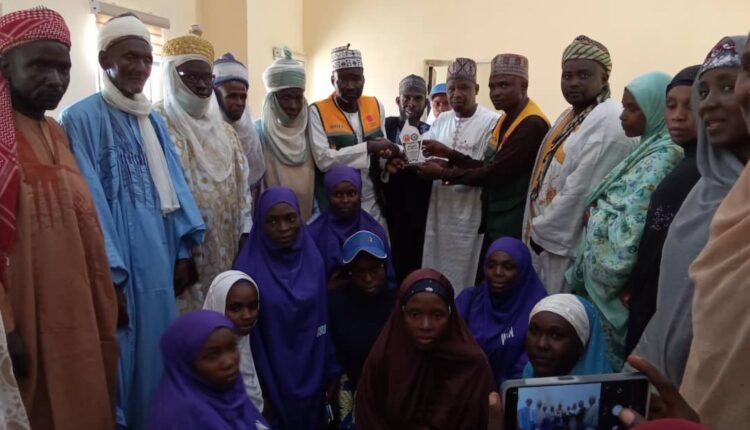
Kabo Local  Government Council of Kano State has honoured Founder and Group Board Chair of  Women Farmers Advancement Network (WOFAN), Dr Salamatu Garba, for her sustained contributions to improving livelihoods and supporting communities across the area. The recognition was presented during a ceremony held on Monday at the Kabo Local Government Secretariat, in acknowledgement of Dr Salamatu’s humanitarian interventions, particularly her support for women & youths, farmers and other members of the community. The Director of Administration of the local  government, Alhaji Nazifi Ado Shitu Makoda, presented the award on behalf of the Chairman, Comrade Lawan Najume Kabo, to Dr Salamatu’s representative, Alhaji Abubakar Usman Garo. The ceremony brought together district and village heads, representatives of WOFAN, local government officials and other stakeholders. In a message delivered on his behalf,  Lawan Kabo expressed appreciation for the contributions of Dr Salamatu Garba to the development and welfare of residents. According to him, her interventions were consistent with the objectives of the local government, particularly in supporting vulnerable people, empowering farmers and improving the livelihoods of residents. The chairman commended her commitment to community development, describing her interventions as a valuable contribution to the socio-economic well-being of people in Kabo. Also speaking, the Head of Women Affairs Development in the local government, Hajia Mariya Yusuf Garo, described Dr Salamatu as a committed woman leader who had demonstrated strong dedication to improving the lives of women and other members of society. She said the interventions had provided meaningful support to beneficiaries while creating hope and improving the welfare of communities. Responding through her representative, Alhaji Abubakar Usman Garo, Dr Salamatu Garba expressed appreciation to the Kabo Local Government for recognising her efforts. She said the recognition would further encourage her and her organisation to intensify efforts aimed at supporting communities and improving livelihoods. Dr Salamatu assured the people of Kabo that she would continue to support initiatives capable of improving their living conditions and creating sustainable opportunities. She further disclosed that additional interventions were being planned for the area. “This is the beginning of what we are going to do,” she said, indicating that more projects and support programmes would be implemented to further improve the lives of residents. The District Head of Garo, Alhaji Yusuf, also commended Dr Salamatu for her humanitarian activities. Similarly, the Head of Social Welfare and Community Development of Kabo Local Government, Isah Sulaiman Shanono, described Dr Salamatu’s interventions as significant acts of philanthropy that deserved recognition and appreciation. He called on residents to continue praying for her good health, long life and protection so that she could sustain her humanitarian activities and continue supporting people across the community.

Details

WOFAN Marketing Hubs Create Jobs, Expand Opportunities For Women, Youths

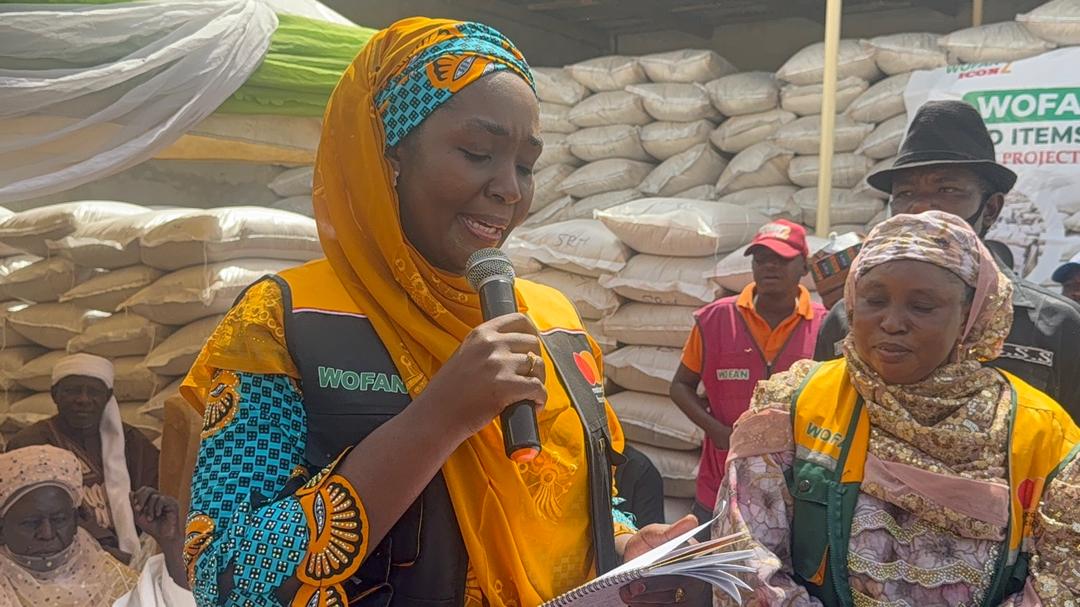
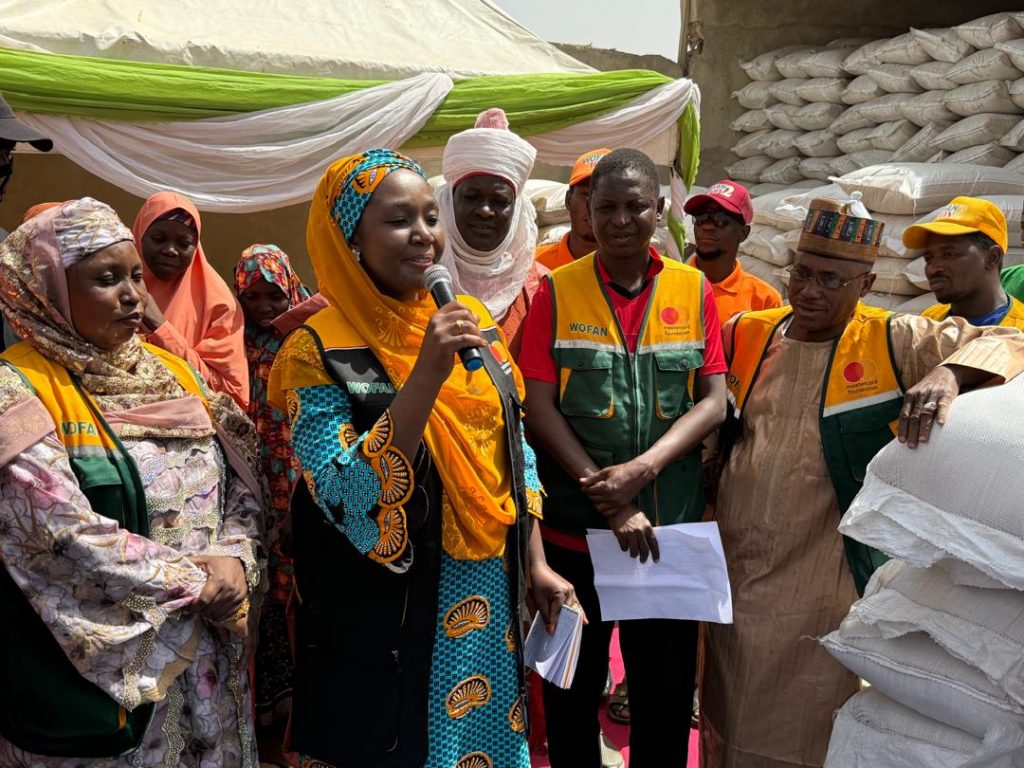
The Women Farmers Advancement Network (WOFAN), through its WOFAN-ICON2 Project, has established more than 105 marketing hubs across Nigeria, creating thousands of jobs and expanding economic opportunities for women, youths and persons with disabilities. The initiative, supported by the Mastercard Foundation, is designed to connect smallholder farmers and processors to structured markets while promoting value addition, financial inclusion and sustainable employment in rural communities. Speaking on the impact of the hubs, WOFAN Group Executive Board Chair and Country Director of the WOFAN-ICON2 Project, Dr Salamatu Garba, said the facilities were more than trading centres, describing them as development platforms that connect farmers to reliable markets and create dignified employment. Garba, who was represented at the inauguration by WOFAN Finance Officer, Abdulrasheed Abdulazeez, said the hubs had opened opportunities for women processors who previously depended on middlemen to sell their products, often receiving limited profits and having little influence over the value chains. “Today, these hubs have become vibrant centres of economic activity where youths work as traders, loaders and service providers, while women are deeply involved in processing and value addition,” she said. She spoke during the inauguration of a new marketing hub for women processors in Chiromawa, Garun Mallam Local Government Area of Kano State. The Chiromawa facility is the fourth WOFAN marketing hub in Kano State, following similar interventions in Tudun Wada, Kura and Karfi. The hubs have become centres for the trading of agricultural commodities, with the Tudun Wada hub reportedly facilitating the movement of more than 50 trailers of goods daily to other parts of Nigeria and neighbouring Niger Republic. Also, Hajia Maimuna Lawal Strategies, Innovation and Sustainability SIS) at WOFAN, said the new hub would enable women to take greater control of their marketing activities and apply negotiation skills acquired through WOFAN programmes. She said the initiative would improve women’s profitability, strengthen their participation in decision-making and contribute to the development of local economies and food systems. The Chiromawa Market leader, Mustapha Haruna, welcomed the intervention, saying it would benefit not only women beneficiaries but the wider community. WOFAN Kano State Desk Officer, Dayyabu Abubakar, said the hub was designed to promote economic inclusion by providing accessible infrastructure for women-led businesses. He explained that the facility comprises three shops, with one serving as an office where members can discuss challenges and develop business strategies, while the other two are dedicated to commercial activities. Meanwhile, youth leaders and community partners said the marketing hubs had helped reduce idleness among young people by providing legitimate employment opportunities. A youth mega-cluster leader, Tasiu Ibrahim, said the provision of modern rice and grain-processing machines, coupled with solar-powered lighting, had enabled women and youths to work in shifts during the day and at night. Community partners also said women had become increasingly involved in both farming and processing, while persons with disabilities were engaged in activities such as jute-bag production. The WOFAN-ICON2 Project has also provided improved seeds, fertilisers, agro-chemicals, processing equipment and starter packs to beneficiaries across Adamawa, Bauchi, Benue, Gombe, Jigawa, Kaduna, Kano, Nasarawa and the Federal Capital Territory. The five-year project aligns with the Mastercard Foundation’s Young Africa Works–Nigeria Strategy and seeks to create sustainable employment opportunities, particularly for women, youths and persons with disabilities.

Details

WOFAN marketing hubs boost rural jobs, market access for women, youths

The Women Farmers Advancement Network (WOFAN) has disclosed that more than 105 marketing hubs established under its WOFAN-ICON2 Project are creating jobs, improving market access and strengthening income opportunities for women, young people and persons with disabilities across Nigeria. Supported by the Mastercard Foundation, the initiative provides smallholder farmers and agro-processors with organised platforms to sell their produce, undertake value addition and participate more effectively in agricultural value chains. Speaking at the inauguration of a marketing hub for women processors in Chiromawa, Garun Mallam Local Government Area of Kano State, WOFAN Group Executive Board Chair and Country Director of the WOFAN-ICON2 Project, Dr Salamatu Garba, said the facilities were designed to go beyond conventional marketplaces. Garba, who was represented by WOFAN Finance Officer, Abdulrasheed Abdulazeez, said the hubs were increasingly serving as economic centres where farmers, processors, traders and service providers could earn sustainable livelihoods. She noted that many women processors previously relied heavily on middlemen to dispose of their products, a situation that reduced their earnings and limited their bargaining power within agricultural value chains. “Today, these hubs have become vibrant centres of economic activity where youths work as traders, loaders and service providers, while women are deeply involved in processing and value addition,” she said. The newly inaugurated Chiromawa facility brings the number of WOFAN marketing hubs in Kano State to four, with similar facilities already operating in Tudun Wada, Kura and Karfi. WOFAN said the hubs have grown into important agricultural trading points, connecting producers and processors with buyers within and outside their communities. At the Tudun Wada hub, for instance, more than 50 trailers of agricultural commodities are reportedly transported daily to different parts of Nigeria and the neighbouring Niger Republic. Also speaking, WOFAN’s Strategies, Innovation and Sustainability representative, Hajia Maimuna Lawal, said the Chiromawa hub would give women greater control over the sale of their products and provide an opportunity to put into practice the business and negotiation skills acquired through WOFAN programmes. Lawal said improved access to markets would help women secure better returns for their products, participate more actively in economic decision-making and contribute to stronger local food systems. Chiromawa Market leader, Mustapha Haruna, described the establishment of the facility as a significant intervention that would have an impact beyond its direct beneficiaries. He said increased commercial activities generated by the hub would also create opportunities for other residents and businesses within the community. WOFAN Kano State Desk Officer, Dayyabu Abubakar, said the facility was specifically structured to encourage economic inclusion and provide accessible business infrastructure for women entrepreneurs. According to him, the hub has three shops, including an office where members can meet to identify challenges, exchange ideas and develop strategies to improve their businesses. The remaining two shops are dedicated to commercial activities. Youth representatives and community partners also said the intervention was contributing to efforts to tackle unemployment and idleness among young people by creating productive economic opportunities. A youth mega-cluster leader, Tasiu Ibrahim, said modern rice and grain-processing equipment provided through the project, alongside solar-powered lighting, had made it possible for women and young people to operate in shifts during both daytime and evening hours. Community partners said the intervention had also encouraged more women to participate in farming, processing and other agricultural businesses, while persons with disabilities were being supported to engage in income-generating activities, including jute-bag production. Beyond the establishment of marketing hubs, the WOFAN-ICON2 Project has distributed improved seeds, fertilisers, agrochemicals, processing machinery and business starter packs to beneficiaries. The intervention currently covers Adamawa, Bauchi, Benue, Gombe, Jigawa, Kaduna, Kano and Nasarawa states, as well as the Federal Capital Territory. The five-year WOFAN-ICON2 Project is aligned with the Mastercard Foundation’s Young Africa Works–Nigeria Strategy and focuses on expanding sustainable livelihood and employment opportunities, particularly for women, youths and persons with disabilities.

Details

SIBLING Project: A national model for revitalising agricultural education through public–private partnership

At a time when Nigeria is searching for practical solutions to youth unemployment, food insecurity and the widening gap between classroom learning and industry realities, the Skills Improvement to Boost Livelihood and Nurture Growth (SIBLING) Project at Bayero University, Kano (BUK), has emerged as a compelling example of what can be achieved when academia and the private sector work together with a shared vision. The initiative, spearheaded by the Women Farmers Advancement Network (WOFAN) in partnership with Bayero University through the Centre for Dryland Agriculture (CDA) and the Faculty of Agriculture, is redefining agricultural education by moving beyond theory to practical and from farm gates to the corridors of industries, thereby transforming agricultural theories, upscaling from classroom learnings to hands-on, simple, modern technologies that promote enterprise development. Rather than limiting students to conventional classroom instructions. The project immerses them in modern farming techniques, agribusiness management, value addition and entrepreneurship, equipping them with skills that can translate directly into sustainable livelihoods, labour employers and dignified agribusiness owners after graduation. The significance of the SIBLING Project extends far beyond the boundaries of Bayero University. It presents a practical roadmap for addressing some of Nigeria’s most pressing challenges: graduate unemployment, low agricultural productivity, poor agricultural extension services and inadequate exposure of students to real-world enterprise.  This approach will further make agribusiness a pathway to attracting our youths, especially to get attracted to farming and see it beyond tilling the soil with hoes and cutlasses. Moreso, this will attract Financial institutions into supporting more of agribusiness since the returns will be more profitable with a high turnover rate at this time when agriculture remains one of Nigeria’s greatest economic opportunities. According to Dr Salamatu, “universities must become centres of innovation, production and entrepreneurship rather than institutions that merely award certificates”. One of the defining strengths of the initiative is the depth of commitment demonstrated by its partners. Through the collaboration, WOFAN has invested substantially in agricultural inputs, mechanisation, infrastructure and technical support, while Bayero University has provided land, technical expertise, institutional backing and academic integration, a model that brings together research institutions, private and public sectors that eventually will attract the financial institutions to rally round the initiative. The result is a partnership where both institutions contribute mutually and complementary strengths, share risks and profits towards a common objective—developing graduates who are capable of creating jobs rather than merely seeking them. Such exposure builds confidence, enhances employability and encourages graduates to view agriculture as a profitable business venture instead of a last resort. It is therefore unsurprising that the project has attracted widespread recognition from government officials, educational stakeholders and professional bodies. The visit by the Honourable Minister of  Education, Dr Tunji Alausa, alongside the Honourable Minister of State for Education, Professor Suwaiba Said Ahmad, underscored the Federal Government’s appreciation of the project’s enormous potential. Their commendation reflected growing national recognition that innovative partnerships such as SIBLING can significantly strengthen Nigeria’s higher education system and agricultural value chain. Similarly, the Bayero University Alumni Association deserves recognition for publicly applauding the initiative. The Association’s endorsement reflects the confidence of graduates who appreciate the value of practical education and understand the importance of preparing today’s students for tomorrow’s economic realities. Alumni support further reinforces the credibility and sustainability of such transformative programmes. Read Also:BUK receives N40m agricultural mechanization equipment to boost practical skills under WOFAN-CDA SIBLING project {PHOTOS} The success of the SIBLING Project offers an important lesson for universities across Nigeria. Higher education institutions should actively pursue strategic partnerships with credible private sector organisations, development agencies and agricultural enterprises to bridge the persistent gap between academic learning and practical application. While government funding remains indispensable, sustainable development increasingly depends on collaborative models that combine public institutions’ intellectual resources with private sector innovation, investment and implementation capacity. Every federal, state and private university with programmes in agriculture, environmental sciences or related disciplines should study the SIBLING model with a view to adapting it to their local contexts. Such partnerships have the potential to transform university farms into thriving centres of research, commercial production, innovation and entrepreneurship while producing graduates who possess marketable skills and practical experience. The National Universities Commission (NUC), relevant ministries and university governing councils should also encourage policies that reward institutions capable of establishing productive partnerships with industry. Academic excellence today must not be measured solely by publications and graduation statistics but also by the capacity of universities to solve societal problems, stimulate economic growth and empower graduates with practical skills. As Nigeria continues to seek lasting solutions to food insecurity and youth unemployment, there is another urgent policy issue that deserves immediate legislative attention. The National Assembly should expedite action on the Agricultural Extension Bill. A modern and comprehensive legal framework for agricultural extension services would strengthen collaboration among universities, research institutions, extension professionals, farmers and private sector organisations. Passage of the bill would provide a stronger institutional foundation for initiatives such as the SIBLING Project by promoting knowledge transfer, improving access to agricultural innovations, encouraging technology adoption and creating structured mechanisms for scaling successful models across the country. It would also reinforce the role of universities as active contributors to national agricultural development rather than passive centres of instruction. Read Also:Agriculture Extension Services bill is designed to promote agric development in Nigeria-Minister Agricultural extension remains the bridge between research findings and practical application. Without an effective extension system supported by law and adequate funding, many groundbreaking innovations developed by universities and research institutions fail to reach farmers and rural communities where they are needed most. Strengthening this system would multiply the impact of initiatives like SIBLING and ensure that successful innovations are replicated nationwide. Special commendation must go to the Founder, Chief Executive Officer and Global Advocate of WOFAN, Dr Salamatu Garba, whose vision, commitment and unwavering belief in the transformative power of agriculture continue to inspire meaningful change. Through WOFAN, she has consistently championed programmes that empower women, youths and vulnerable communities while promoting sustainable agricultural development across Nigeria and beyond. The SIBLING Project…

Details

Beyond Boundaries of Charity: Dr. Salamatu Garba’s Quiet Revolution of Compassion, Partnership and Shared Prosperity

In every generation, society is blessed with individuals who understand that true greatness is measured not by what one possesses but by what one gives. Dr. Salamatu Garba, the visionary founder and Director of Women Farmers Advancement Network (WOFAN), has continued to demonstrate that development is most meaningful when it uplifts institutions and communities alike. Through the Sibline Integrated Farms and Innovation Limited (SIBLINE) Project, her interventions have strengthened Bayero University, Kano by providing modern agricultural equipment worth millions of naira, supporting practical training for students, sponsoring senior management staff to the United Kingdom for advanced training on Artificial Intelligence, and extending life changing infrastructure to neighbouring communities through the provision of water facilities, road networks and a pedestrian bridge across the ever bust Gwarzo Road. These initiatives portray a philosophy that sees education, innovation and community welfare as inseparable pillars of sustainable development. There are people who speak about changing the world, and there are those who quietly change it one life, one institution and one community at a time. Their names are not merely written in reports or commemorative plaques. They become woven into the daily experiences of ordinary people whose lives are transformed by simple but meaningful acts of kindness.   Such individuals understand a timeless truth that civilisation advances not only through governments and public policies but also through the generosity of men and women who recognise that every neighbour deserves an opportunity to flourish. Dr. Salamatu Garba, the Director of Women Farmers Advancement Network (WOFAN), belongs to this rare class of visionary leaders whose philosophy of development extends beyond organisational success into the wider society. Her approach reflects the enduring belief that prosperity becomes meaningful only when it is shared and that institutions grow stronger when communities grow alongside them. For years, WOFAN has earned national and international recognition for empowering women, strengthening agricultural value chains and creating economic opportunities for thousands of families. Yet behind these remarkable achievements lies a deeper conviction that development should never stop at the boundaries of a project. It should flow naturally into schools, universities, neighbourhoods and every place where hope seeks a helping hand. That conviction has found practical expression through the Sibline Integrated Farms and Innovation Limited (SIBLINE) Project, whose interventions have continued to strengthen Bayero University, Kano while simultaneously improving the lives of neighbouring communities. Universities occupy a unique place in every society. They are the workshops where ideas are refined, discoveries are made and future leaders are prepared. Supporting a university therefore means investing in generations yet unborn. Recognising this reality, the SIBLINE Project provided Bayero University with modern farming implements worth millions of naira to strengthen practical agricultural education and research. In an era where agriculture is increasingly driven by technology, mechanisation and innovation, such intervention represents much more than the donation of equipment. It is an investment in knowledge. It is an investment in food security. It is an investment in the young minds who will one day transform Nigeria’s agricultural landscape. For students of the Faculty of Agriculture, learning extends beyond lecture halls. Every practical demonstration, every experiment conducted on the farm and every opportunity to handle modern agricultural equipment enriches their understanding and prepares them for real life challenges. Knowledge becomes more meaningful when theory meets practice. Seeds planted in classrooms blossom into innovation only when nurtured by practical experience. By supporting practical agricultural training, Dr. Salamatu Garba has helped create an environment where students are better equipped to develop solutions for contemporary agricultural challenges. The beneficiaries are not merely today’s undergraduates but countless farmers and communities who will benefit from their knowledge in years to come. Education, however, does not remain static. The world is experiencing a technological revolution powered by Artificial Intelligence, digital innovation and data driven decision making. Institutions that fail to embrace these changes risk falling behind in a rapidly changing global environment. Understanding this emerging reality, the SIBLINE Project sponsored senior management staff of Bayero University to participate in a specialised workshop on Artificial Intelligence in the United Kingdom. The significance of this gesture extends beyond international travel. It demonstrates confidence in the capacity of Nigerian universities to compete on the global stage. It acknowledges that university leaders must continuously acquire new knowledge if they are to provide effective leadership in an increasingly digital world. Artificial Intelligence is redefining education, research, governance, agriculture, healthcare and industry. Exposing university administrators to international best practices creates opportunities for institutional transformation and encourages fresh thinking capable of positioning Bayero University among globally competitive institutions. Great institutions are built by leaders who never stop learning. Just as rivers remain fresh because they continue to flow, leadership remains relevant because it continually embraces new knowledge. Dr. Salamatu Garba understands this enduring principle. Yet perhaps the greatest beauty of her philosophy lies in the refusal to separate the university from its surrounding communities. Too often, institutions of higher learning exist beside communities that struggle with inadequate infrastructure and limited social amenities. Sustainable development demands a different approach. Communities and universities are partners in progress. Each depends on the other. A university cannot thrive where neighbouring communities suffer neglect, just as communities benefit immensely when educational institutions flourish. It is within this philosophy of shared prosperity that the SIBLINE Project extended its humanitarian interventions to Danbare community. Access to clean water remains one of humanity’s most fundamental needs. Water sustains life, preserves health and restores dignity. Every drop supplied to a household represents relief for families who would otherwise travel long distances in search of this precious resource. By providing water facilities to Danbare, Dr. Salamatu Garba transformed what many often consider an ordinary infrastructure project into an extraordinary investment in human wellbeing. Children now have more time for school instead of spending hours searching for water. Women are relieved of daily burdens that consume valuable time and energy. Families enjoy healthier living conditions. Entire communities experience renewed hope. The intervention did not stop there. Road infrastructure remains one of the strongest…

Details

BUK Staff Wives Association Rolls Out Strategy, Seeks Strategic Partnership with WOFAN

The Bayero University, Kano Staff Wives Association (BUKSWA) has unveiled a new strategic direction aimed at improving the livelihoods of its members through a partnership with the Women Farmers Advancement Network (WOFAN). The partnership initiative was discussed during a strategic meeting held on Monday, 3 August 2026, at the WOFAN Secretariat, where members of the association met with WOFAN’s  Founder  and Global Advocate, Hajiya Dr. Salamatu Garba, to explore areas of collaboration under the second component of the Skills Improvement to Boost Livelihood and Nurture Growth (SIBLING) Project currently ongoing with Bayero Un8versity,. Speaking on behalf of the Chairperson of the association, the Secretary, Hajiya Halima Sadiya Mahmoud, said BUKSWA was revived in 2024 after years of inactivity through the support of the immediate past Vice-Chancellor of Bayero University, Professor Sagir Adamu Abbas, and the commitment of his wife, Hajiya Binta Saji, who played a leading role in repositioning the association. She explained that the association’s renewed leadership identified several socio-economic challenges affecting members, including unemployment, widowhood and financial hardship among the wives of serving and retired staff. These findings informed the association’s decision to seek strategic partnerships that would create sustainable livelihood opportunities through agriculture and entrepreneurship. According to her, BUKSWA has prioritised  organizational growth  and leadership direction to boost economic sources of its members through agricultural produce processing and other agribusiness ventures as key areas for empowerment. She commended WOFAN for inviting the association to develop a comprehensive concept note that would serve as the framework for the proposed collaboration. The Assistant Chairperson of the association, Hajiya Binta Saji, noted that BUKSWA comprises employed women, unemployed wives of staff and vulnerable members whose spouses are retired or deceased. She said the proposed partnership would provide targeted interventions that respond to the specific needs of each category. Members also reflected on lessons from the association’s previous operations, identifying weak accountability, poor communication, ineffective leadership coordination and limited support for members’ businesses as challenges that the revived association is determined to address. Responding, Dr. Salamatu Garba said WOFAN was committed to building partnerships capable of delivering measurable and sustainable impact. She explained that the meeting provided an opportunity to reflect together and  understand the association’s vision, membership structure and priority areas before the commencement of any  intervention. She advised the association to strengthen its organisational structure across Bayero University campuses, maintain an accurate membership database and classify members according to their preferred agricultural value chains, including poultry, fisheries and crop processing. She also encouraged wider sensitisation to ensure broad participation when the programme begins. The meeting ended with resolutions for the association to complete its restructuring process, prepare a detailed concept note and identify viable agricultural value chains ahead of the formal rollout of the partnership. WOFAN expressed optimism that implementation of the new intervention could commence before the end of August 2026. Earlier, WOFAN Communication facilitator , Hajiya Nafisa Ahmad Murtala, welcomed participants and explained that the initiative  with BUKWAS is a separate component of the SIBLING Project  of the CDA- BUK  launched in July 2026  which is  a research and student focused programme currently being implemented in collaboration with Bayero University while the Women- led BUKWAS version is addressing more on  addressing socio- economic needs of the members and boost their group cohesion and luvelihood improvement

Details

BUK Reaffirms Commitment to WOFAN Partnership as VC Commends Founder at Graduation Ceremony

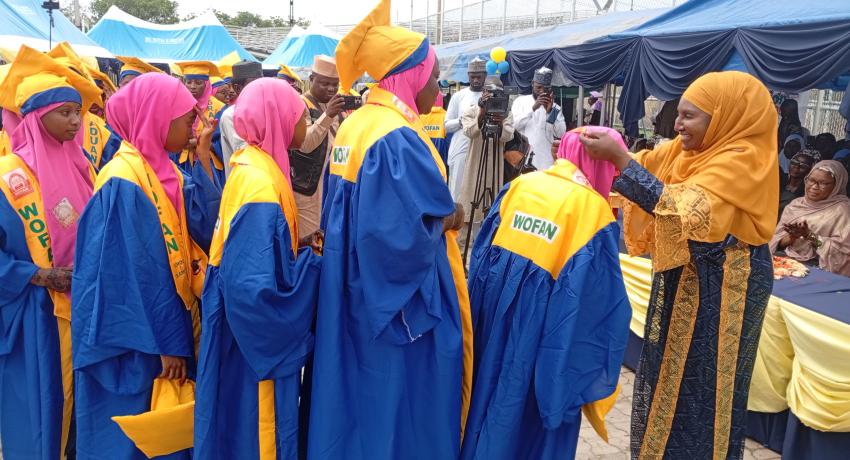
The Vice-Chancellor of Bayero University, Kano (BUK), Professor Haruna Musa, fsi, has reaffirmed the University’s strong partnership with the Women Farmers Advancement Network (WOFAN), describing the organisation as a strategic partner in advancing education, entrepreneurship, agriculture and community development. Speaking at the WOFAN Schools Graduation and Prize-Giving Ceremony held on Saturday, August 1, 2026, the Vice-Chancellor, represented by the Deputy Vice-Chancellor (Academics), Professor Ahmad Muhammad Tsauni, congratulated the Founder and Executive Director of WOFAN, Hajiya Dr. Salamatu Garba, on the successful graduation of 158 pupils and students across the Nursery, Primary and Secondary Schools. Professor Haruna praised Dr. Salamatu Garba’s unwavering commitment to community development, particularly through initiatives that continue to transform lives through quality education, skills development and youth empowerment. He specifically acknowledged the longstanding collaboration between Bayero University and WOFAN under the SIBLING Project, which equips university students with practical agricultural and entrepreneurship skills. According to him, the University remains fully committed to sustaining the partnership, having put in place measures to ensure the long-term success of the initiative. “The partnership between Bayero University and WOFAN has become a model for empowering young people through education, agriculture and entrepreneurship. We value this collaboration and will continue to support its sustainability,” he said. The Vice-Chancellor also congratulated the graduating students, their parents and teachers for their dedication and sacrifices, urging the graduands to remain disciplined and pursue excellence as they advance to the next stage of their education. Earlier, the Chairman of the WOFAN Board of Trustees, Professor Sani Miko, called on parents to complement the efforts of the school by instilling sound moral values and discipline in their children. He noted that the modest fees charged by the school should encourage parents to support the institution’s vision through active participation in their children’s upbringing. Professor Miko also commended Dr. Salamatu Garba for constructing the pedestrian bridge that now provides safe and easy access to the school, describing it as another testament to WOFAN’s commitment to community development. Also speaking, WOFAN Board member, Professor Mahmoud Ibrahim Daneji, said the institution distinguishes itself by integrating academic excellence with vocational and entrepreneurship training. He encouraged the graduating students to embrace skills acquisition alongside formal education to become self-reliant and productive members of society. In her remarks, the Founder and Executive Director of WOFAN, Hajiya Dr. Salamatu Garba, described quality education as a shared responsibility that requires the collective commitment of schools, parents and the wider community. She urged parents to support the school’s policies, including adherence to the 8:00 a.m. gate closure, stressing that discipline remains an essential ingredient for academic excellence and character development. Several dignitaries who attended the ceremony applauded WOFAN’s investment in education and community development. Among them were the Kacallan Kano and Hakimin Garun Malam, Alhaji Muhammad Ibrahim; the Royal Father of the Day and Hakimin Bebeji, Alhaji Sarki Yusuf Bayero; and the Chairman of the Parents-Teachers Association (PTA), Alhaji Musa Kalla, who appreciated parents for their continued support towards the academic and moral development of their children. Also present were the immediate past Dean, Faculty of Agriculture, Professor Muhammad Auwal Hussaini and former Ambassador of Nigeria to Brazil, Professor Ahmad Muhammad Makarfi. The ceremony featured colourful cultural displays, student performances and the presentation of prizes and awards to outstanding pupils and students from the Nursery, Primary and Secondary sections, marking another milestone in WOFAN’s commitment to nurturing future leaders through quality education and skills development.

Details