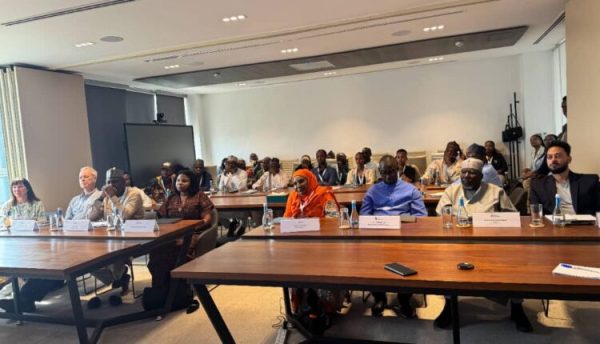
WOFAN, PDS-UK delegates explore Rwanda’s peacebuilding, digital governance model

A delegation participating in a strategic communication training programme organised by the Women Farmers Advancement Network (WOFAN) and Prospects Development Services (PDS-UK) has studied Rwanda’s post-genocide recovery, national unity and digital governance systems as part of a three-day study tour in Kigali. SolaceBase reports that the second-day engagement took the participants to the Rwanda Cooperation Initiative (RCI), where they examined how Rwanda rebuilt social cohesion after the 1994 Genocide against the Tutsi and transformed its institutions through reforms in governance, justice, citizenship education and digital service delivery. The study visit was part of the training on “Strategic Communication: Integrating Digital and AI-Driven Innovation for Sustainable Leadership and Peacebuilding,” which seeks to expose participants to practical approaches to leadership, communication, peacebuilding and institutional development. Presentations by officials of Rwanda’s Ministry of National Unity and Civic Engagement (MINUBUMWE) focused on the policies and institutions established to strengthen national unity and prevent a recurrence of genocide ideology. The officials highlighted initiatives such as Ndi Umunyarwanda, Itorero civic education, community dialogue and the Gacaca courts, describing them as among the mechanisms used to rebuild trust and promote social cohesion. Speaking during the study visit, WOFAN Founder and Global Advocate, Dr. Salamatu Garba, commended RCI for sharing Rwanda’s experience with the delegation. She observed that several of the issues discussed during the engagement were similar to challenges confronting Nigeria, stressing the importance of mindset change, accountability, policy reform and responsible followership in achieving sustainable development. Dr. Garba said teachers were deliberately included in the delegation so they could transfer lessons from the study tour to younger generations. She expressed optimism that continued engagement between WOFAN, PDS-UK, the Nigeria High Commission and RCI would help turn the knowledge gained into practical policy actions and sustainable strategies. On his part, the Chief Executive Officer of RCI, Richard Niwenshuti, said Rwanda’s recovery was guided by the need to move beyond its darkest chapter, strengthen institutional accountability and pursue reforms on a large scale. According to him, the reforms have contributed to about 92 per cent health insurance coverage, universal access to primary and secondary education, and the digitisation of more than 240 public services through the Irembo platform. SolaceBase reports that the delegation was also briefed on Rwanda’s governance architecture, decentralisation, coordination and accountability mechanisms, as well as its digital transformation agenda. In his remarks, the Nigerian’s acting High Commissioner in Republic of Rwanda, Ambassador Ibrahim G. Zanna, represented by the First Secretary, Political Information and Culture, Zerah Yemilo Waminaje, described the engagement as an opportunity for participants to gain practical insight into how strategic communication, digital innovation and sustainable leadership can contribute to national development. The High Commission reaffirmed its commitment to strengthening institutional cooperation between Nigeria and Rwanda. The Nigeria High Commission also urged the participants to translate lessons from the study tour into practical efforts to strengthen institutions, promote digital transformation and advance peacebuilding in Nigeria. Unity and Social Cohesion Promotion Analyst, Donatien Nikuze, said Rwanda’s progress was supported by political will, inclusive leadership and sustained investment in peacebuilding and good governance. Nikuze disclosed that the country recorded a 95.3 per cent National Unity Barometer score in 2025, while noting that challenges, including genocide ideology, hate speech, trauma and the pursuit of fugitives, remained. He encouraged the visiting delegation to draw practical lessons from Rwanda’s experience while considering the realities of their own countries. The second-day engagement ended with a vote of thanks delivered by WOFAN Technical Board Member, Professor Mahmoud Daneji, who appreciated RCI, the facilitators, the Nigeria High Commission, PDS-UK, WOFAN and the participants for the successful engagement.
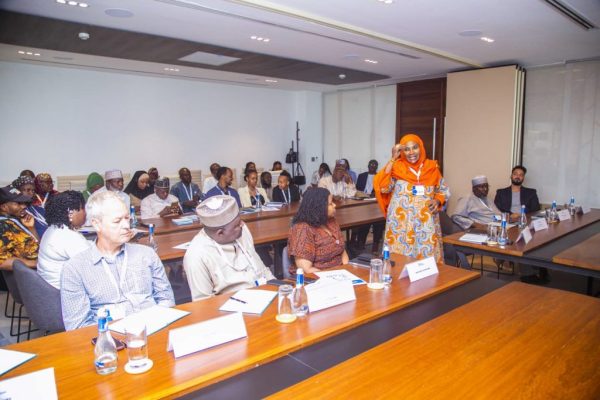
WOFAN, PDS-UK delegation study Rwanda’s reconciliation, governance model

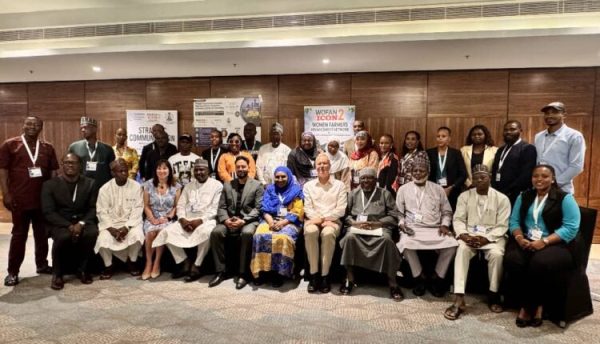
A delegation of Nigerian professionals participating in an international capacity-building programme in Kigali, Rwanda, has examined the country’s approach to national reconciliation, institutional governance and digital transformation. The programme is organised by the Women Farmers Advancement Network (WOFAN), a strategic partner of Bayero University, Kano, in collaboration with Prospects Development Services (PDS)-UK. The participants, drawn from government, academia, media, education, business and other professional sectors, visited the Rwanda Cooperation Initiative (RCI) on the second day of their study tour. The visit provided an opportunity for the delegation to gain insights into Rwanda’s efforts to rebuild national cohesion, strengthen public institutions and promote digital transformation following the 1994 Genocide against the Tutsi. The engagement focused on the policies, institutional frameworks and strategies adopted by Rwanda in its post-genocide reconstruction and development process. The training, titled “Strategic Communication: Integrating Digital and AI-Driven Innovation for Sustainable Leadership and Peacebuilding,” is focused on equipping participants with practical knowledge of strategic communication, inclusive governance, digital innovation, leadership and post-conflict reconstruction. During the engagement, officials of Rwanda’s Ministry of National Unity and Civic Engagement (MINUBUMWE) explained the policies and institutional measures adopted by the country to promote reconciliation and prevent a recurrence of genocide. They identified reforms in the justice system, inclusive governance, citizenship education, the promotion of a common national identity and measures to counter genocide ideology as central to Rwanda’s reconciliation process. The delegation was also briefed on initiatives such as Ndi Umunyarwanda, Itorero civic education, community dialogue programmes and the Gacaca courts, which officials said played important roles in restoring trust and rebuilding relationships within communities. Unity and Social Cohesion Promotion Analyst at MINUBUMWE, Donatien Nikuze, said Rwanda’s progress over the years was made possible by political commitment, inclusive leadership and sustained investment in peacebuilding and good governance. According to him, the country recorded a 95.3 per cent score in the National Unity Barometer in 2025. Nikuze, however, said Rwanda still grapples with challenges such as genocide ideology, hate speech, trauma and the continued search for genocide fugitives. He urged the Nigerian participants to draw relevant lessons from Rwanda’s experience while taking into consideration Nigeria’s peculiar political, social and institutional circumstances. Welcoming the delegation, Chief Executive Officer of RCI, Richard Niwenshuti, said Rwanda’s recovery was driven by a determination to move beyond its tragic past, build accountable institutions and develop solutions capable of delivering results on a large scale. Niwenshuti said the reforms had translated into improvements in social services and the deployment of technology in public administration. He said health insurance coverage had reached about 92 per cent, while the country had achieved universal access to primary and secondary education. He added that more than 240 public services had been digitised through Irembo, enabling citizens to access government services electronically. Participants were further taken through Rwanda’s governance structure, decentralisation framework, institutional coordination and accountability mechanisms, as well as its digital transformation programme. The sessions featured presentations from officials of MINUBUMWE, the Ministry of Justice (MINIJUST), Ministry of ICT and Innovation and the Rwanda Information Society Authority. In a goodwill message delivered on behalf of Nigeria’s Acting High Commissioner to Rwanda, Ambassador Ibrahim Zanna, the Nigeria High Commission challenged participants to ensure that lessons from the programme were translated into practical initiatives capable of strengthening Nigerian institutions. The mission said the study tour offered practical examples of how strategic communication, technology-driven innovation and sustainable leadership could be deployed to advance national development. It also pledged to continue supporting stronger institutional cooperation and knowledge exchange between Nigeria and Rwanda. Founder and Global Advocate of WOFAN, Hajia Dr Salamatu Garba, said the similarities between some of Rwanda’s past challenges and issues confronting Nigeria made the study visit particularly relevant. Garba commended RCI and other Rwandan institutions for sharing their experiences with the delegation, noting that sustainable development requires more than government action alone. She stressed the need for a change in mindset, stronger accountability, effective policy reforms and responsible followership. According to her, teachers were deliberately selected as part of the delegation because of their critical role in shaping younger generations and passing knowledge acquired from the programme to students. Garba expressed hope that collaboration among WOFAN, the Nigeria High Commission and RCI would continue beyond the study tour and lead to practical policy initiatives and sustainable development strategies. She said the lessons gathered should be applied gradually and consistently, stressing that meaningful transformation could be achieved “step by step.” WOFAN Technical Board member, Professor Mahmoud Daneji, who delivered the vote of thanks on behalf of the participants, commended RCI, the facilitators, the Nigeria High Commission, PDS-UK and WOFAN for facilitating the programme. He described the second-day engagement as productive and appreciated members of the delegation for their participation. The Kigali study tour is part of the wider international training programme designed to strengthen participants’ capacity in strategic communication, digital and artificial intelligence-driven innovation, sustainable leadership and peacebuilding.

WOFAN and PDS-UK Delegates Understudy Rwanda’s Unity, Peacebuilding and Digital Governance Model at RCI, Kigali

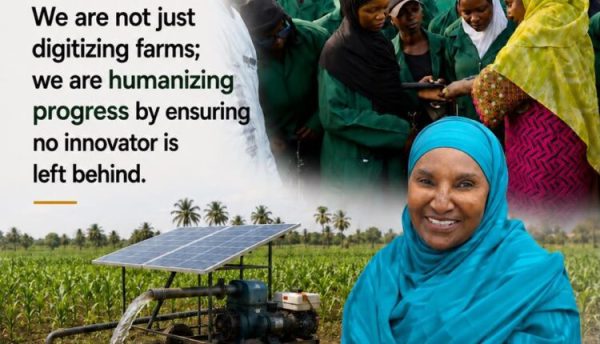
The Founder and Executive Director of the Women Farmers Advancement Network (WOFAN) and Global Advocate, Dr. Salamatu Garba, will join leaders, farmers, innovators, investors, policymakers, development partners and other key stakeholders at the Africa Food Systems Forum (AFSF) 2026 in Kigali, Rwanda. The forum, scheduled for September 1–4, 2026, will be held under the theme: “Investing in Africa’s Agri-Food Systems: Nourishing Nations. Growing Jobs. Building Resilience.” SolaceBase reports that WOFAN will participate in discussions focused on the future of Africa’s food systems and pathways towards more inclusive, resilient and sustainable agriculture. With over 7 million farmers empowered across Nigeria, WOFAN continues to support communities and create opportunities across the agricultural value chain. The organisation’s interventions include empowering women, youth and Persons with Disabilities (PWDs), while promoting mechanisation, digital innovation, climate-smart agriculture, improved agricultural practices, inclusive livelihoods and stronger farmer-led value chains. WOFAN said its approach goes beyond the digitisation of farms, stressing the importance of ensuring that innovators and communities are not left behind in the process of agricultural transformation. “We are not just digitizing farms; we are humanizing progress by ensuring no innovator is left behind,” the organisation said. As Africa works towards stronger and more resilient food systems, WOFAN said it remains committed to empowering people, strengthening communities and building a future where everyone has the opportunity to participate and thrive.

Nigeria High Commission in Rwanda hails WOFAN’s impact on youth, women as strategic communication, digital innovation training opens in Kigali

The Nigeria High Commission in the Republic of Rwanda on Thursday commended the Women Farmers Advancement Network (WOFAN) for its transformative impact on youth, women and farming communities, describing the organisation’s decision to champion strategic  communication, digital innovation, artificial intelligence and peacebuilding as a demonstration of visionary leadership. Delivering a goodwill message on behalf of the Acting High Commissioner, Ambassador Ibrahim G. Zanna, at the opening of the international training on “Strategic Communication: Integrating Digital and AI-Driven Innovation for Sustainable Leadership and Peacebuilding – Rwanda as a Case Study for Digital Transformation and Post-Conflict Reconstruction,”, Zerah Yemilo WAMINAJE, First Secretary, Political Information and Culture, praised WOFAN and its partner, Prospects Development Services, for convening a timely forum that addresses some of Africa’s most pressing development priorities. Zanna noted that an organisation renowned for empowering women, youth and farming communities has once again demonstrated its foresight by expanding the conversation to strategic communication, digital transformation and artificial intelligence. SolaceBase reports that the high Commissioner further applauded WOFAN’s unwavering commitment to advancing women’s leadership, stressing that sustainable development cannot be achieved without the meaningful participation of women in decision-making. It also encouraged participants to draw practical lessons from Rwanda’s remarkable journey in digital transformation, institutional development and post-conflict reconstruction, and to apply those experiences in strengthening governance, leadership and public service delivery across Africa. Reaffirming Nigeria’s commitment to supporting initiatives that promote innovation, institutional partnerships and sustainable development, the High Commissioner pledged its continued collaboration with WOFAN in fostering stronger ties between Nigeria and Rwanda. It expressed confidence that the three-day training would equip participants with practical knowledge and ethical leadership skills needed to harness digital technologies and artificial intelligence for inclusive development, peacebuilding and sustainable leadership. In her welcome address, the Founder and Executive Director of WOFAN and global advocate for women and youth empowerment, Dr. Salamatu Garba, described the training as a unique opportunity for participants to learn from one another and draw valuable lessons from Rwanda’s remarkable transformation. She noted that Rwanda’s journey from a troubled past to becoming a model of resilience, innovation and development offers practical lessons for institutions across Africa. She expressed WOFAN’s pride in partnering with Rwanda in promoting knowledge exchange and sustainable development. Dr. Garba urged participants to approach the training with open minds and a commitment to applying the knowledge and skills acquired to their respective organisations and communities. She emphasized that the ultimate goal is to translate the lessons on strategic communication, digital innovation and artificial intelligence into tangible outcomes that strengthen leadership, institutional performance and sustainable development. On his part, the founder and Chief Executive Officer of Prospects Development Services (PDS) UK, Bayode Tokumbo Hambolu, introduced PDS as one of the United Kingdom’s leading strategic training hubs for executives and institutions. He highlighted the organisation’s commitment to delivering world-class professional development programmes, noting that its courses are accredited by the Accreditation Service for International Schools, Colleges and Universities (ASIC), one of the UK’s recognised accreditation bodies. Speaking earlier, the Chairman of the Governing Board of the Women Farmers Advancement Network (WOFAN), Professor Sani Miko, gave participants an overview of the organisation’s history, mission and vision. He disclosed that WOFAN has empowered more than 675,000 women and youth smallholder farmers through capacity-building initiatives and has now expanded its mandate to reach 1.5 million smallholder farmers through enhanced training, information sharing and other empowerment programmes. He added that the organisation has also facilitated thousands of smallholder farmers’ access to finance, enabling them to improve productivity and livelihoods. One of the facilitators, Adrian Webb, Chairman of British technology company Outcome Path and a lecturer in AI ethics, said the first session focused on the importance of strategic communication in an era where artificial intelligence is rapidly transforming how people and organisations  communicate. Webb said the key message of his session was that despite the rapid development of AI, communication remained fundamentally about people. “The key highlight today was to get people to realise that really we are humans  communicating with humans, whatever technologies we use,” he said. He explained that  strategic communication involves understanding how to influence perspectives and build better outcomes, making it an essential component of the work of organisations serving communities. The participants comprise academics, media professionals, government executives, legislative staff, school administrators and teachers, all brought together to acquire practical knowledge in strategic communication, digital transformation and AI-driven innovation. One of the participants, Chioma Perpetual, described the training as a valuable opportunity to gain practical knowledge on strategic communication, digital transformation and artificial intelligence. She said the sessions on strategic communication and AI were particularly relevant in view of the growing influence of digital technologies on organisations and society. The training is expected to equip the participants with the skills required to drive meaningful change, enhance institutional effectiveness and create lasting impact within their various sectors.

WOFAN disburses N25.2m to 12 women’s cooperative clusters

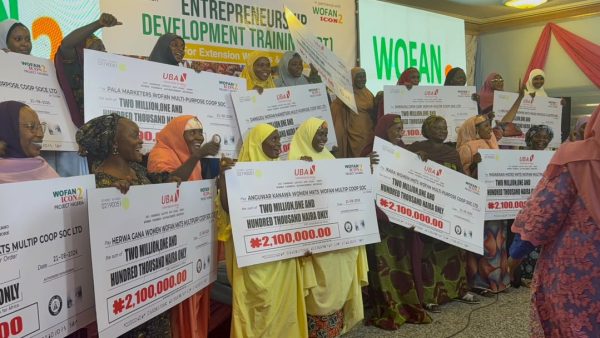
The Women Farmers Advancement Network (WOFAN) has disbursed N25.2 million to 12 high-performing women’s cooperative clusters as part of efforts to deepen financial inclusion, strengthen grassroots enterprises and improve women’s access to sustainable finance. Under the intervention, each of the 12 clusters received N2.1 million in additional financial support after demonstrating strong savings discipline, business growth and commitment to collective economic development. The disbursement was announced during an Entrepreneurship Development Training organised for extension workers and trainers from WOFAN’s North-West and North-East operational zones in Kano at the weekend. The training equipped participants with practical skills in business pitching, crowdfunding, marketing, financial management, bookkeeping, sales strategies and business planning. The programme aims to help women entrepreneurs build sustainable enterprises and gradually move from dependence on grants to accessing loans and other services from formal financial institutions. Speaking at the programme, WOFAN Global Advocate and Executive Board Chair Dr Salamatu Garba said the organisation was deliberately combining access to capital with entrepreneurship skills, savings and accountability to ensure the sustainability of women-led businesses. Garba said the beneficiary clusters had earlier received about N1.5 million each, adding that their accumulated savings and the latest N2.1 million intervention had significantly strengthened their capital base. She explained that some beneficiaries who previously earned a living as roadside food vendors and farm labourers, including widows and women heading households, now control between N4 million and N5 million when their savings, previous support and the latest intervention are combined. According to her, the progress recorded by the beneficiaries demonstrates how targeted financial support, accompanied by appropriate training, can enable grassroots women to expand their businesses and prepare them to access formal credit. “At WOFAN, we believe that when a woman is equipped with capital, skills and a supportive sisterhood, she does not merely survive; she transforms her destiny and that of her community. Every naira we invest in these cooperatives is an investment in Nigeria’s shared prosperity,” Garba said. She explained that WOFAN operates a performance-based support model, under which beneficiaries are assessed on their savings discipline, enterprise performance and ability to work collectively before qualifying for additional funding. Garba said the approach was designed not only to grow businesses but also to produce successful women entrepreneurs who could become peer mentors and support other women seeking to establish or expand enterprises. As part of the entrepreneurship training, participants were introduced to crowdfunding and business pitching as alternative ways to mobilise capital and present viable businesses to potential investors and financial institutions. WOFAN Business Development and Coordination Manager, Mr Taiwo Olawale, who facilitated sessions on business pitching, investor engagement, business orientation and business planning, said the training was structured to prepare beneficiaries for a gradual transition from grants to loans. Olawale said women who had demonstrated their capacity to responsibly manage grants and grow their enterprises could also develop the discipline required to access and repay loans from financial institutions. “If they can manage their own grants now, it means that they can manage loans,” he said. He cautioned, however, that extending loans to entrepreneurs without first equipping them with adequate financial management and business skills could undermine the sustainability of their enterprises. WOFAN Monitoring and Evaluation Officer Sadik Zakariya also trained participants on entrepreneurship, sales strategies, customer care and loyalty, enterprise sustainability monitoring, and business plan development. Zakariya stressed the need for entrepreneurs to understand their customers, regularly monitor business performance, and develop realistic business plans to guide investment and operational decisions. Similarly, WOFAN ICON-2 Finance Manager, Abdurasheed Abdulaziz, took participants through basic accounting and bookkeeping, emphasising that proper financial records were critical to effective business management, accountability and expansion. Representatives of the beneficiary clusters commended WOFAN for combining financial assistance with entrepreneurship training, saying the approach had helped to strengthen their savings culture and create new economic opportunities, particularly for young women and those from disadvantaged backgrounds. A cluster leader from Tukuntawa, Hayin Kwari, Hajiya Bara’ratu Baffa, said the N2.1 million additional support would enable members of her cooperative to strengthen their existing enterprises and explore new business opportunities. Baffa said WOFAN’s interventions had also changed the attitude of many women toward savings and reinvesting business profits. “Before, women would do business without thinking about how to save the profits, but WOFAN has helped us to understand the importance of saving and growing our businesses,” she said. Similarly, Samira Musa of the Tashar Dukku Women Agro-Marketers cluster in Gombe State said the intervention would enable members to expand their businesses and diversify into other viable enterprises. She urged beneficiaries to make effective use of the opportunities provided by WOFAN and deploy the additional capital in ways that would improve their livelihoods and increase their contributions to their families and communities. One participant and Super Trainer, Alhaji Harisu Sani Hayatu, described the training as valuable, saying it improved his knowledge and strengthened his capacity to train other beneficiaries. Another participant, Hauwa Babayo, also commended the initiative, saying the entrepreneurship training had enhanced her understanding of business development and management. WOFAN said the intervention forms part of its broader strategy to deepen financial inclusion among grassroots women by integrating grants, savings, entrepreneurship skills, accountability and access to finance. Through its performance-based revolving support model, the organisation seeks to transform short-term financial assistance into sustainable enterprises, enabling women to build stronger businesses, create economic opportunities and progressively connect with formal financial institutions.