A delegation of Nigerian professionals participating in an international capacity-building programme in Kigali, Rwanda, has examined the country’s approach to national reconciliation, institutional governance and digital transformation.
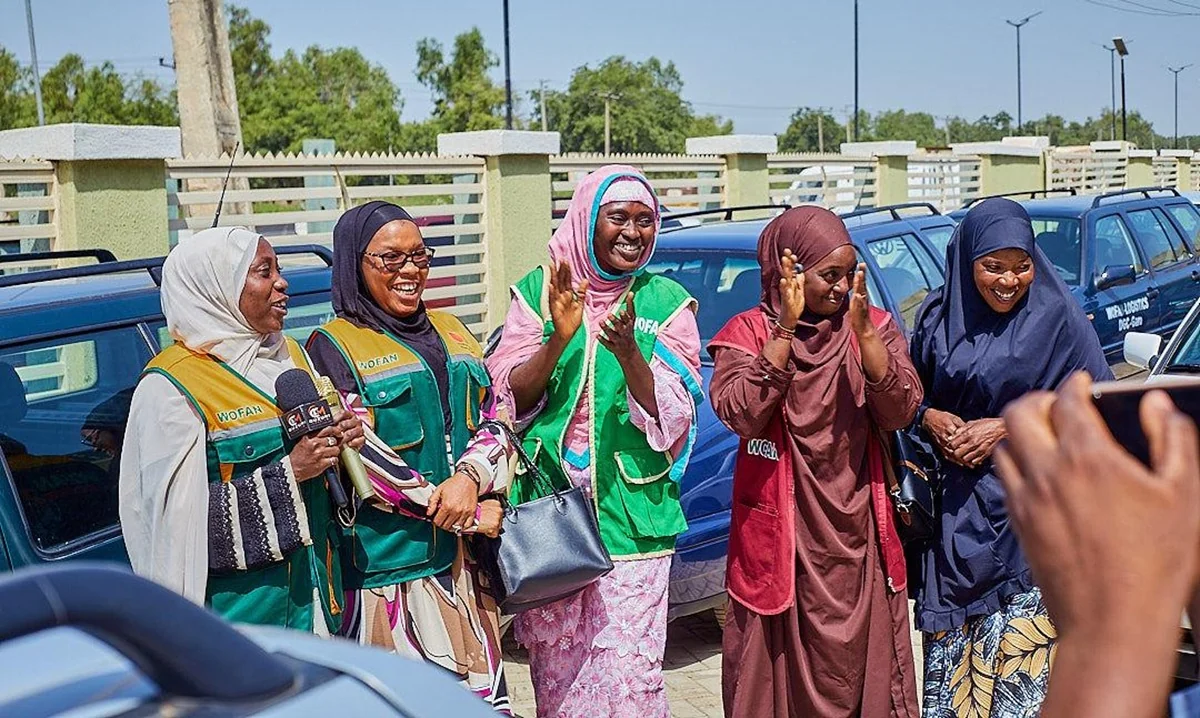
The programme is organised by the Women Farmers Advancement Network (WOFAN), a strategic partner of Bayero University, Kano, in collaboration with Prospects Development Services (PDS)-UK.
The participants, drawn from government, academia, media, education, business and other professional sectors, visited the Rwanda Cooperation Initiative (RCI) on the second day of their study tour.
The visit provided an opportunity for the delegation to gain insights into Rwanda’s efforts to rebuild national cohesion, strengthen public institutions and promote digital transformation following the 1994 Genocide against the Tutsi.
The engagement focused on the policies, institutional frameworks and strategies adopted by Rwanda in its post-genocide reconstruction and development process.
The training, titled “Strategic Communication: Integrating Digital and AI-Driven Innovation for Sustainable Leadership and Peacebuilding,” is focused on equipping participants with practical knowledge of strategic communication, inclusive governance, digital innovation, leadership and post-conflict reconstruction.
During the engagement, officials of Rwanda’s Ministry of National Unity and Civic Engagement (MINUBUMWE) explained the policies and institutional measures adopted by the country to promote reconciliation and prevent a recurrence of genocide.
They identified reforms in the justice system, inclusive governance, citizenship education, the promotion of a common national identity and measures to counter genocide ideology as central to Rwanda’s reconciliation process.
The delegation was also briefed on initiatives such as Ndi Umunyarwanda, Itorero civic education, community dialogue programmes and the Gacaca courts, which officials said played important roles in restoring trust and rebuilding relationships within communities.
Unity and Social Cohesion Promotion Analyst at MINUBUMWE, Donatien Nikuze, said Rwanda’s progress over the years was made possible by political commitment, inclusive leadership and sustained investment in peacebuilding and good governance.
According to him, the country recorded a 95.3 per cent score in the National Unity Barometer in 2025.
Nikuze, however, said Rwanda still grapples with challenges such as genocide ideology, hate speech, trauma and the continued search for genocide fugitives.
He urged the Nigerian participants to draw relevant lessons from Rwanda’s experience while taking into consideration Nigeria’s peculiar political, social and institutional circumstances.
Welcoming the delegation, Chief Executive Officer of RCI, Richard Niwenshuti, said Rwanda’s recovery was driven by a determination to move beyond its tragic past, build accountable institutions and develop solutions capable of delivering results on a large scale.
Niwenshuti said the reforms had translated into improvements in social services and the deployment of technology in public administration.
He said health insurance coverage had reached about 92 per cent, while the country had achieved universal access to primary and secondary education.
He added that more than 240 public services had been digitised through Irembo, enabling citizens to access government services electronically.
Participants were further taken through Rwanda’s governance structure, decentralisation framework, institutional coordination and accountability mechanisms, as well as its digital transformation programme.
The sessions featured presentations from officials of MINUBUMWE, the Ministry of Justice (MINIJUST), Ministry of ICT and Innovation and the Rwanda Information Society Authority.
In a goodwill message delivered on behalf of Nigeria’s Acting High Commissioner to Rwanda, Ambassador Ibrahim Zanna, the Nigeria High Commission challenged participants to ensure that lessons from the programme were translated into practical initiatives capable of strengthening Nigerian institutions.
The mission said the study tour offered practical examples of how strategic communication, technology-driven innovation and sustainable leadership could be deployed to advance national development.
It also pledged to continue supporting stronger institutional cooperation and knowledge exchange between Nigeria and Rwanda.
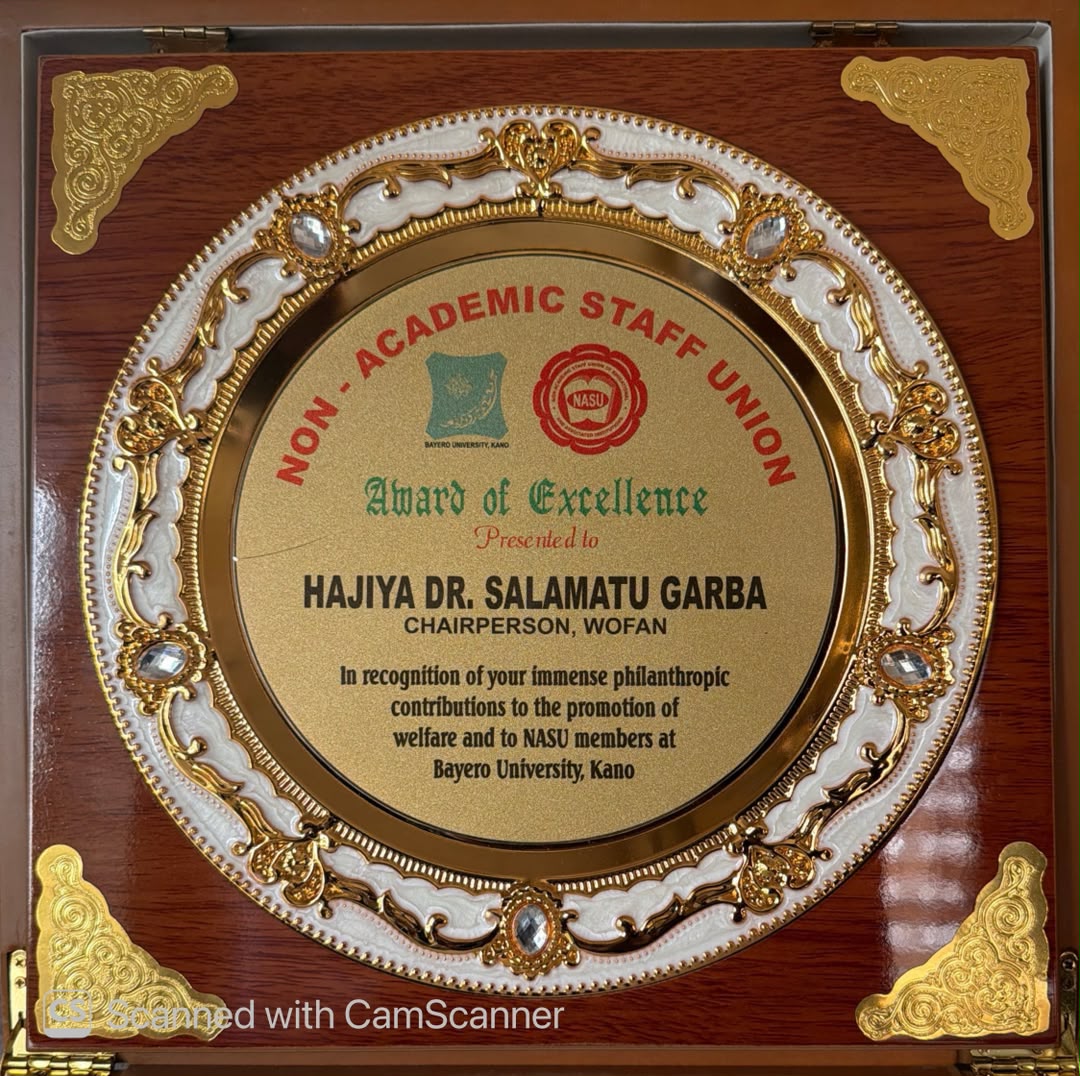
Founder and Global Advocate of WOFAN, Hajia Dr Salamatu Garba, said the similarities between some of Rwanda’s past challenges and issues confronting Nigeria made the study visit particularly relevant.
Garba commended RCI and other Rwandan institutions for sharing their experiences with the delegation, noting that sustainable development requires more than government action alone.
She stressed the need for a change in mindset, stronger accountability, effective policy reforms and responsible followership.
According to her, teachers were deliberately selected as part of the delegation because of their critical role in shaping younger generations and passing knowledge acquired from the programme to students.
Garba expressed hope that collaboration among WOFAN, the Nigeria High Commission and RCI would continue beyond the study tour and lead to practical policy initiatives and sustainable development strategies.
She said the lessons gathered should be applied gradually and consistently, stressing that meaningful transformation could be achieved “step by step.”
WOFAN Technical Board member, Professor Mahmoud Daneji, who delivered the vote of thanks on behalf of the participants, commended RCI, the facilitators, the Nigeria High Commission, PDS-UK and WOFAN for facilitating the programme.
He described the second-day engagement as productive and appreciated members of the delegation for their participation.
The Kigali study tour is part of the wider international training programme designed to strengthen participants’ capacity in strategic communication, digital and artificial intelligence-driven innovation, sustainable leadership and peacebuilding.