Beyond Boundaries of Charity: Dr. Salamatu Garba’s Quiet Revolution of Compassion, Partnership and Shared Prosperity

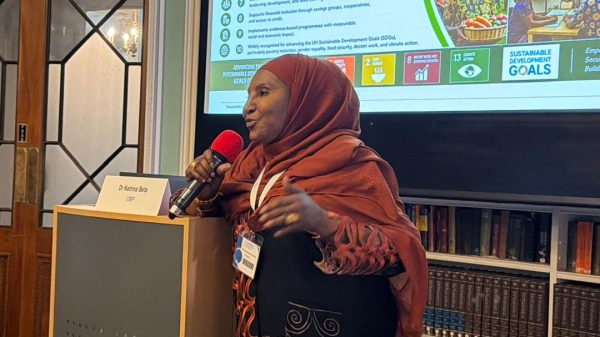
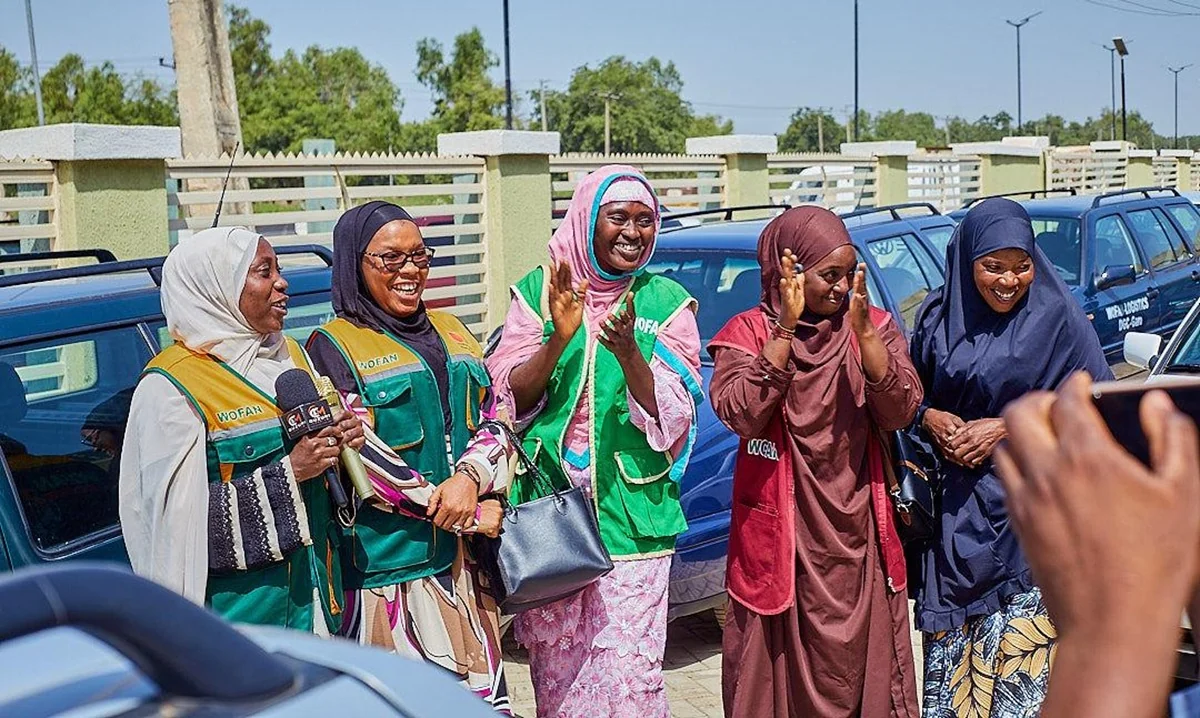
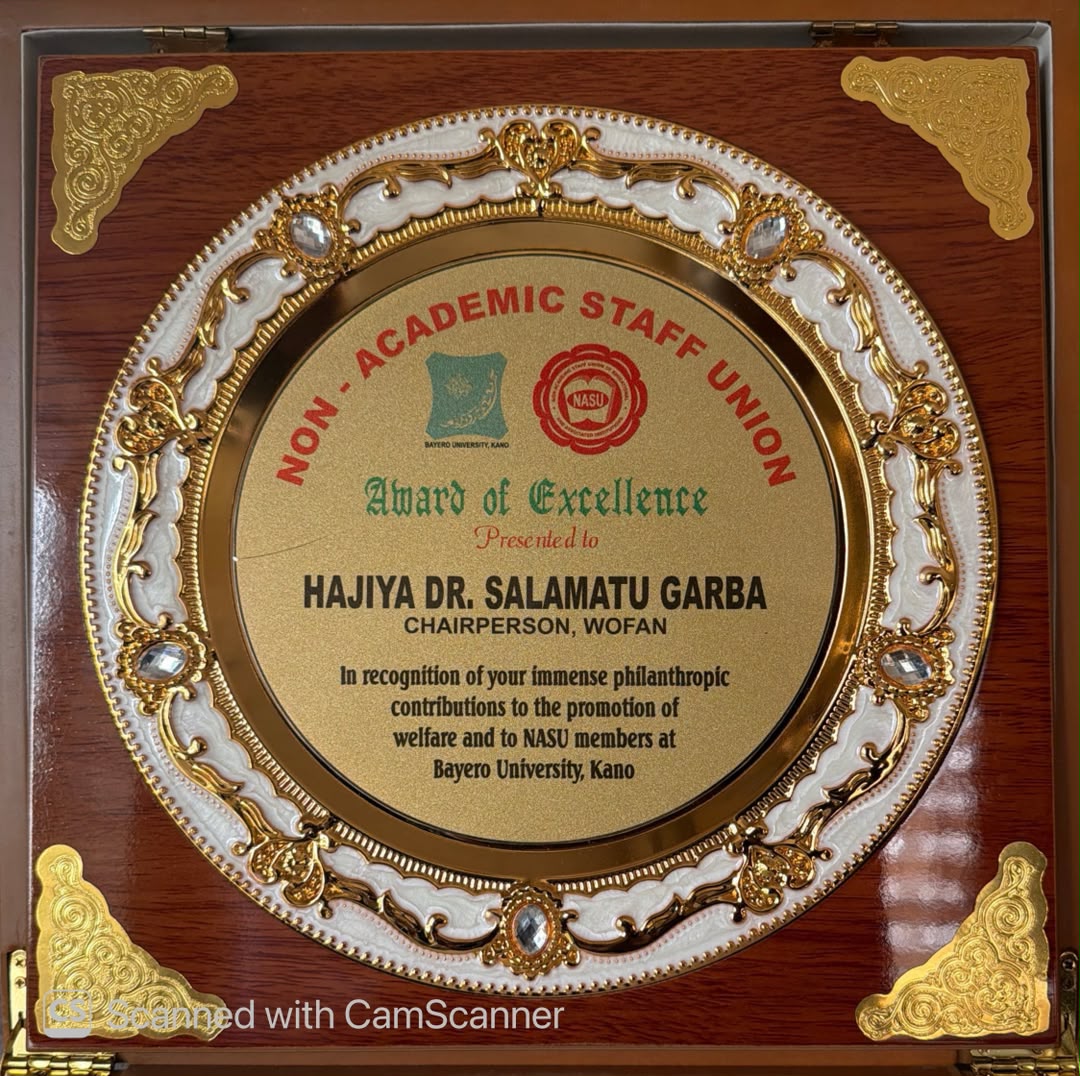
In every generation, society is blessed with individuals who understand that true greatness is measured not by what one possesses but by what one gives. Dr. Salamatu Garba, the visionary founder and Director of Women Farmers Advancement Network (WOFAN), has continued to demonstrate that development is most meaningful when it uplifts institutions and communities alike. Through the Sibline Integrated Farms and Innovation Limited (SIBLINE) Project, her interventions have strengthened Bayero University, Kano by providing modern agricultural equipment worth millions of naira, supporting practical training for students, sponsoring senior management staff to the United Kingdom for advanced training on Artificial Intelligence, and extending life changing infrastructure to neighbouring communities through the provision of water facilities, road networks and a pedestrian bridge across the ever bust Gwarzo Road. These initiatives portray a philosophy that sees education, innovation and community welfare as inseparable pillars of sustainable development. There are people who speak about changing the world, and there are those who quietly change it one life, one institution and one community at a time. Their names are not merely written in reports or commemorative plaques. They become woven into the daily experiences of ordinary people whose lives are transformed by simple but meaningful acts of kindness.   Such individuals understand a timeless truth that civilisation advances not only through governments and public policies but also through the generosity of men and women who recognise that every neighbour deserves an opportunity to flourish. Dr. Salamatu Garba, the Director of Women Farmers Advancement Network (WOFAN), belongs to this rare class of visionary leaders whose philosophy of development extends beyond organisational success into the wider society. Her approach reflects the enduring belief that prosperity becomes meaningful only when it is shared and that institutions grow stronger when communities grow alongside them. For years, WOFAN has earned national and international recognition for empowering women, strengthening agricultural value chains and creating economic opportunities for thousands of families. Yet behind these remarkable achievements lies a deeper conviction that development should never stop at the boundaries of a project. It should flow naturally into schools, universities, neighbourhoods and every place where hope seeks a helping hand. That conviction has found practical expression through the Sibline Integrated Farms and Innovation Limited (SIBLINE) Project, whose interventions have continued to strengthen Bayero University, Kano while simultaneously improving the lives of neighbouring communities. Universities occupy a unique place in every society. They are the workshops where ideas are refined, discoveries are made and future leaders are prepared. Supporting a university therefore means investing in generations yet unborn. Recognising this reality, the SIBLINE Project provided Bayero University with modern farming implements worth millions of naira to strengthen practical agricultural education and research. In an era where agriculture is increasingly driven by technology, mechanisation and innovation, such intervention represents much more than the donation of equipment. It is an investment in knowledge. It is an investment in food security. It is an investment in the young minds who will one day transform Nigeria’s agricultural landscape. For students of the Faculty of Agriculture, learning extends beyond lecture halls. Every practical demonstration, every experiment conducted on the farm and every opportunity to handle modern agricultural equipment enriches their understanding and prepares them for real life challenges. Knowledge becomes more meaningful when theory meets practice. Seeds planted in classrooms blossom into innovation only when nurtured by practical experience. By supporting practical agricultural training, Dr. Salamatu Garba has helped create an environment where students are better equipped to develop solutions for contemporary agricultural challenges. The beneficiaries are not merely today’s undergraduates but countless farmers and communities who will benefit from their knowledge in years to come. Education, however, does not remain static. The world is experiencing a technological revolution powered by Artificial Intelligence, digital innovation and data driven decision making. Institutions that fail to embrace these changes risk falling behind in a rapidly changing global environment. Understanding this emerging reality, the SIBLINE Project sponsored senior management staff of Bayero University to participate in a specialised workshop on Artificial Intelligence in the United Kingdom. The significance of this gesture extends beyond international travel. It demonstrates confidence in the capacity of Nigerian universities to compete on the global stage. It acknowledges that university leaders must continuously acquire new knowledge if they are to provide effective leadership in an increasingly digital world. Artificial Intelligence is redefining education, research, governance, agriculture, healthcare and industry. Exposing university administrators to international best practices creates opportunities for institutional transformation and encourages fresh thinking capable of positioning Bayero University among globally competitive institutions. Great institutions are built by leaders who never stop learning. Just as rivers remain fresh because they continue to flow, leadership remains relevant because it continually embraces new knowledge. Dr. Salamatu Garba understands this enduring principle. Yet perhaps the greatest beauty of her philosophy lies in the refusal to separate the university from its surrounding communities. Too often, institutions of higher learning exist beside communities that struggle with inadequate infrastructure and limited social amenities. Sustainable development demands a different approach. Communities and universities are partners in progress. Each depends on the other. A university cannot thrive where neighbouring communities suffer neglect, just as communities benefit immensely when educational institutions flourish. It is within this philosophy of shared prosperity that the SIBLINE Project extended its humanitarian interventions to Danbare community. Access to clean water remains one of humanity’s most fundamental needs. Water sustains life, preserves health and restores dignity. Every drop supplied to a household represents relief for families who would otherwise travel long distances in search of this precious resource. By providing water facilities to Danbare, Dr. Salamatu Garba transformed what many often consider an ordinary infrastructure project into an extraordinary investment in human wellbeing. Children now have more time for school instead of spending hours searching for water. Women are relieved of daily burdens that consume valuable time and energy. Families enjoy healthier living conditions. Entire communities experience renewed hope. The intervention did not stop there. Road infrastructure remains one of the strongest…
WOFAN briefs agric ministry on extension bill

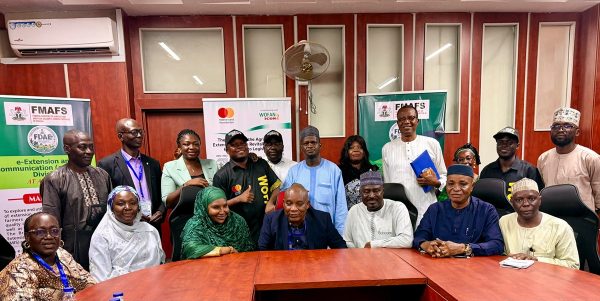
The Women Farmers Advancement Network (WOFAN) briefed the newly appointed Director of the Federal Department of  Agricultural Extension at the Federal Ministry of  Agriculture and Food Security, Dr. Samaila Taye, on the progress of the proposed Agricultural Extension Bill and called on the department to support ongoing efforts to ensure its passage into law.  The advocacy meeting brought together stakeholders in the agricultural sector, who reviewed the bill’s status and described it as a key legislative framework for repositioning Nigeria’s agricultural extension system, increasing farm productivity and enhancing national food security. The stakeholders recalled that the agricultural extension policy was endorsed and adopted as a national document during the African Forum on Extension in 2023, paving the way for the development of the bill. Addressing the meeting, WOFAN Group Chair and Global Advocate for Africa, Europe and the Arab Region, Dr. Salamatu Garba, said the proposed legislation has reached its final phase after undergoing legal reviews and extensive stakeholder consultations across the country. She explained that although legal experts had completed their work, stakeholders resolved to conduct a final review to identify and address any outstanding issues before the bill proceeds to the next stage of the legislative process. Garba noted that the bill was developed through an inclusive process involving at least 14 consultative meetings with state commissioners of agriculture, the Federal Ministry of Agriculture and Food Security, research institutions, development partners and other relevant organisations. She said the broad consultations were aimed at ensuring that the proposed law reflects the collective input of key actors responsible for agricultural extension and rural development.  Legal Providing an update on the legislative process, she disclosed that the bill had successfully passed its first reading in both chambers of the National Assembly and is awaiting further legislative consideration. While acknowledging concerns over the limited time available before the end of the current legislative session, Garba expressed optimism that the bill could still be enacted before the present National Assembly expires. She added that even if the process extends into the next assembly, the widespread support already secured from stakeholders would guarantee continuity. Garba also praised President Bola Ahmed Tinubu’s administration for placing agriculture and food security among its priorities, expressing confidence that the government would back the legislation because of its potential to transform extension service delivery and improve farmers’ productivity.  Government She stressed that strengthening agricultural extension should receive the same national attention as security, insisting that sustainable food production is fundamental to national stability. The WOFAN Group Chair lamented the decline of extension services in Nigeria, saying many farmers have been left without adequate technical guidance, modern farming knowledge and access to improved technologies.  Africans& Diaspora She explained that the bill would provide a legal framework to revitalise extension services by clearly defining the responsibilities of federal, state and local governments, outlining the roles of farmers and research institutions, improving coordination and equipping extension workers to promote climate-smart agricultural practices. Garba further stated that the proposed legislation complements the recently approved National Agricultural Policy and would modernise agricultural advisory services nationwide. Responding, the Director of the Federal Department of Agricultural Extension, Dr. Samaila Taye, commended WOFAN for its sustained advocacy on agricultural reforms, describing the organisation as a valuable partner in advancing Nigeria’s agricultural development agenda. He assured the delegation of the department’s full commitment to supporting the legislative process, noting that the proposed law aligns with its core responsibilities.  LegislativeBranch Taye said the bill has the potential to become a landmark piece of legislation, adding that Nigeria could emerge as one of the first countries to establish a dedicated legal framework for agricultural extension service delivery. He noted that the  legislation will clarify the responsibilities of the three tiers of government, eliminate duplication of roles, professionalise extension services and ensure that only qualified personnel provide advisory support to farmers. “The impact of this bill will be far-reaching. It will strengthen coordination, provide a clear direction for extension delivery and ensure that farmers receive quality advisory services from competent professionals,” he said. Also speaking, Chairman of WOFAN’s Technical Advisory Board, Professor Sani Miko, described the draft legislation as the outcome of wide-ranging collaboration involving government institutions, universities, research organisations, development partners, private sector operators and extension professionals across the country. In her remarks, WOFAN Director of Strategies, Innovation and Sustainability, Hajia Maimuna Lawal, said the bill includes provisions for Information and Communication Technology (ICT), e-extension platforms and other digital tools aimed at making extension services more efficient, accessible and sustainable. She urged lawmakers to give priority to the bill, expressing confidence that its passage would strengthen  agricultural knowledge transfer, improve farmers’ access to innovation and contribute significantly to increased agricultural productivity and food security in Nigeria.

WOFAN briefs new agriculture director on extension bill, seeks backing

The Women Farmers Advancement Network (WOFAN) has paid an advocacy visit to the newly appointed Director of the Federal Department of Agricultural Extension, Dr. Samaila Taye, to brief him on the progress of the Agricultural Extension Bill and seek the department’s support for its speedy passage into law. The visit brought together key stakeholders in Nigeria’s agricultural sector to review the status of the proposed legislation, which they described as a critical instrument for revitalising the country’s agricultural extension system, improving food production and strengthening national food security. Recall that the the draft policy was approved and turned into a national document during the African Forum on Extension 2023.   Speaking during the meeting, WOFAN-Group Chair and Global Advocate ( Africa, Europe and Arab region), Dr. Salamatu Garba, informed the new director that the draft bill has reached its final stage after undergoing legal scrutiny and extensive consultations with stakeholders across the country. She explained that although the legal team had completed its review, stakeholders agreed to undertake one final assessment to identify and address any outstanding gaps before forwarding the bill for further legislative action. Garba said the proposed legislation has enjoyed broad stakeholder participation, with no fewer than 14 consultation meetings involving commissioners of agriculture, the Federal Ministry of Agriculture and Food Security, development partners, research institutions and other relevant organisations. According to her, the consultations were designed to ensure that every critical stakeholder contributed to developing a comprehensive legal framework for agricultural extension services in Nigeria.   Updating the new director on the legislative process, Garba disclosed that the bill has already passed its first reading in both the Senate and the House of Representatives and is awaiting the next stage of consideration. She acknowledged concerns over the limited legislative calendar ahead of the next general election but expressed confidence that the bill could still be passed before the expiration of the current National Assembly.  She added that even if the process extends beyond the current assembly, the broad ownership of the bill by stakeholders would ensure continuity. Garba also commended President Bola Tinubu’s commitment to agriculture and food security, expressing optimism that the administration would support the legislation because of its potential to improve farmers’ productivity and guarantee sustainable food production.   She stressed that strengthening agricultural extension services deserves the same level of national attention as security matters, noting that food security and national security are inseparable. The WOFAN WOFAN-Group Chair and Global Advocate lamented that Nigeria’s agricultural extension system has deteriorated over the years, leaving farmers without adequate technical support, training and access to improved farming technologies. She explained that the proposed legislation would establish a legal framework for rebuilding extension services, clearly define the responsibilities of the federal, state and local governments, specify the roles of farmers and research institutions, improve coordination and equip extension workers to promote climate-smart agriculture at the grassroots. Garba further noted that the bill aligns with the recently approved National Agricultural Policy, describing it as a major reform that would modernise agricultural advisory services across the country. Responding, Dr. Taye commended WOFAN for its sustained advocacy and described the organisation as a strategic partner in Nigeria’s agricultural transformation.   He assured the delegation that the Federal Department of Agricultural Extension would fully support the process, noting that the proposed legislation falls squarely within the department’s statutory mandate. Describing the bill as potentially historic, Taye said Nigeria could become one of the first countries to enact a dedicated law governing agricultural extension service delivery. According to him, the legislation will clearly define the responsibilities of the three tiers of government, eliminate overlaps, professionalise extension services and ensure that only qualified personnel provide advisory services to farmers. “The impact of this bill will be enormous. It will provide direction for extension delivery, improve coordination and ensure that only qualified personnel provide these services to farmers,” he said. Also speaking, Chairman of WOFAN’s Technical Advisory Board, Professor Sani Miko, described the draft bill as the product of extensive collaboration among government agencies, academia, research institutions, development partners, private sector organisations and extension practitioners nationwide. Similarly, WOFAN Director of Strategies, Innovation and Sustainability, Hajia Maimuna Lawal, said the bill contains provisions promoting Information and Communication Technology (ICT), e-extension platforms and other digital innovations that will make agricultural advisory services more efficient, sustainable and responsive to farmers’ needs. She urged lawmakers to prioritise the legislation, expressing confidence that its eventual passage would strengthen knowledge transfer, expand farmers’ access to innovation and significantly boost agricultural productivity and food security across Nigeria.

Education minister commends WOFAN–CDA SIBLING Project, applauds intervention targeted for practical skills for agriculture students

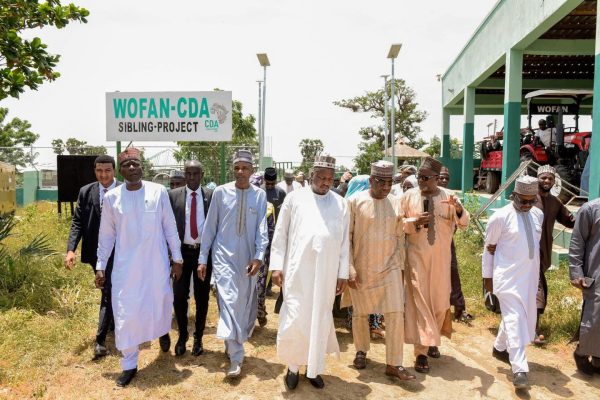
The Minister of Education, Dr Tunji Maruf Alausa, has commended the Women Farmers Advancement Network (WOFAN) and the Centre for Dryland Agriculture (CDA), Bayero University, Kano, for investing in practical agricultural training aimed at equipping students with employable skills and promoting entrepreneurship. Dr Alausa gave the commendation on Tuesday, 21-7-2026, during an inspection visit to the WOFAN–CDA SIBLING Project site at Bayero University, Kano. He was accompanied by the Minister of State for Education, Professor Suwaiba Sa’id Ahmad. SolaceBase reports that the ministers were received by the Director of the Centre for Dryland Agriculture, Professor Sanusi Gaya Mohammed, who briefed them on the objectives of the SIBLING (Skills Improvement to Boost Livelihood and Nurture Growth) initiative and conducted them round the Centre’s screen house and practical training facilities. The Vice-Chancellor of Bayero University, Professor Haruna Musa, alongside other principal officers of the university, also joined the inspection. Meanwhile when contacted by journalists on the target of the project and importance of the minister’s visit, on Wednesday, WOFAN Founder and Group Executive Board Chair, Dr. Salamatu Garba, described the project as a practical response to the proposed National Agricultural Extension Bill currently before the National Assembly, which has passed through the first and second reading and supported by all stakeholders of agricultural institutions, development practitioners, Farmers sponsored by WOFAN. Garba emphasised that the visit shows the symbiotic relations and collaboration of the Ministry of Agriculture and Education in improving agriculture as a course of study. She said WOFAN and its partners decided to commence implementation of the proposed legislation’s vision while remaining hopeful for its final passage, stressing that the initiative demonstrates how collaboration among the private sector, public institutions, and universities can strengthen Nigeria’s agricultural extension system. According to her, the project is designed to bridge the gap between classroom learning and practical experience by exposing students to modern agricultural technologies, mechanisation and agribusiness value chains. “We are giving students hands-on experience across integrated farming systems, including crop production, poultry, fisheries, waste-to-wealth initiatives, fabrication and value addition. Our goal is to produce agricultural graduates who will become job creators and agripreneurs, rather than job seekers. Moreso she further stated that it will also provide skilled agricultural extension service providers that will heavily reduce the huge challenges of shortage of extension workers facing the agricultural sector, she said. Garba noted that WOFAN had invested in agricultural equipment, processing centres, poultry and fishery sections, including providing facilities for climate-smart, integrated farming systems, logistics and linkages to markets to boost productivity and train students in sustainable ways of addressing problems of climate change-related issues She expressed optimism that the ministers’ visit would further strengthen support for the Agricultural Extension Bill, which she described as critical to improving food production and agricultural advisory services across the country. Also speaking, former Dean of the Faculty of Agriculture at Bayero University, Kano and Chairman of the Elders Forum for the SIBLING Programme, Prof. Muhammad Auwalu Hussaini, said the partnership had addressed longstanding funding constraints affecting practical agricultural training in universities. He explained that WOFAN’s support has enabled students to access modern equipment such as solar-powered sprayers and other farm implements that universities could hardly procure through conventional funding. “The partnership has significantly improved the practical learning environment for our students by providing facilities that enhance their knowledge and technical competence,” he said. Chairman of WOFAN’s Technical Board, Prof. Sani Miko, described the collaboration as a model for integrating academic knowledge with practical industry experience. He said the  project combines the strengths of universities in manpower development with the private sector’s expertise in investment and resource management. According to him, demonstration farms and commercial production units established under the initiative will expose students to real-life  agricultural production systems and address the skills gap identified among agricultural graduates. “This partnership is bringing life into the  training system. It provides students with opportunities to learn by doing, while also supporting efforts to ensure the Agricultural Extension Bill becomes law,” he said. Prof. Mahmoud Ibrahim Daneji of Bayero University’s Department of Agricultural Extension, who serves as Climate Change Desk Officer for the WOFAN ICON2 Project, urged students participating in the programme to embrace climate-smart agriculture. He said changing weather patterns have made it necessary for future farmers and extension workers to adopt environmentally sustainable farming practices. Daneji noted that the equipment provided under the SIBLING initiative would enable students to combine classroom knowledge with practical skills while promoting responsible environmental management. He also called on relevant stakeholders to expedite the passage of the Agricultural Extension Bill, saying the legislation would clearly define the roles of government, educational institutions and the private sector in strengthening Nigeria’s agricultural extension services. The WOFAN–CDA SIBLING Project, which was flagged off on 17 February 2026 and provided input support to commence 50 hectares wet season farming by agriculture students of Bayero University, Kano, is a collaborative initiative designed to provide practical agricultural training, promote agripreneurship and prepare students for careers in modern agriculture through hands-on learning and access to mechanised farming technologies.

WOFAN Invests N40 Million in BUK to Produce Job-Creating Agripreneurs

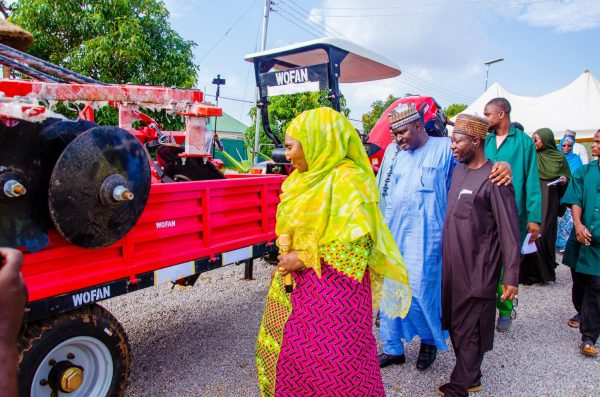
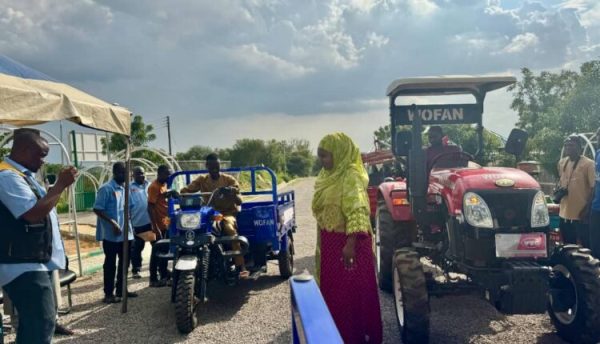
Bayero University, Kano (BUK), has received agricultural mechanization equipment worth N40 million from the Women Farmers Advancement Network (WOFAN) under it’s ICON-2 project, to enhance practical agribusiness training for students under the Skills Improvement to Boost Livelihood and Nurture Growth (SIBLING) Initiative. The donation, facilitated through the university’s Centre for Dryland Agriculture (CDA) and the Faculty of Agriculture, is aimed at equipping students with hands-on skills in modern, commercial agriculture while promoting entrepreneurship, job creation and food security. WOFAN Invests ₦28m in BUK to Drive Food Security, Agribusiness The equipment, presented during a ceremony attended by university officials, students and farmer groups, includes a 40-horsepower tractor valued at N30.5 million with ploughing, harrowing and ridging implements, power tillers, fertilizer applicators, two tricycle carriers, solar-powered knapsack sprayers with protective clothing kits, as well as rice and maize shellers and rice cutters. Presenting the equipment, WOFAN Group Executive Board Chair, Dr. Salamatu Garba, said practical exposure is essential for preparing students to thrive in Nigeria’s evolving agricultural sector. “We are sending this with love and respect so that you will use it to improve your practical knowledge and prepare yourselves to become dignified agripreneurs and employers of labour,” she said. Dr. Garba explained that beyond reducing labour and improving productivity, the equipment would enable students to generate income by providing mechanization services to surrounding farming communities during their free periods. The donation follows an earlier intervention by WOFAN, which provided N28 million worth of agricultural inputs to support the pioneer beneficiaries of the 2026 wet season farming under the SIBLING project. Representing the Vice-Chancellor of BUK, the Deputy Vice-Chancellor (Research and Academic), Professor Amina Mustapha, described the intervention as a major contribution to the university’s vision of producing graduates with practical skills and entrepreneurial capacity. She expressed appreciation to WOFAN and assured the organisation that the equipment would be properly maintained and effectively utilized. Chairman of WOFAN’s Technical Board of Advisers, Professor Sani Miko, urged the students to demonstrate commitment and dedication in maximizing the opportunity. “Everything we are doing is for your benefit. Your passion and commitment will determine how this project transforms your careers and contributes to the future of agriculture in Nigeria,” he said. The President of the Nigerian Association of Agricultural Students (NAAS), BUK Chapter, Umar Kabir Bello, commended WOFAN, the Centre for Dryland Agriculture, the Faculty of Agriculture, the university management and other partners for the support. WOFAN’s Dr. Salamatu Garba Chairs BUK CDA Advisory Board He said the equipment would significantly improve practical learning and expose students to modern agricultural technologies, assuring that it would be used responsibly to ensure the success of the SIBLING Initiative. The SIBLING Initiative is designed to bridge the gap between classroom learning and industry practice by promoting collaboration between academia and the agricultural sector, while preparing students for careers in commercial agribusiness.

Minister of Education Visits WOFAN–CDA SIBLING Project Site, Commends Investment in Students’ Skills Development

The Honourable Minister of Education, Dr. Tunji Maruf Alausa, on Tuesday visited the WOFAN–CDA SIBLING Project site at Bayero University, Kano, where he expressed satisfaction with the level of investment and the project’s potential to transform students through practical agricultural training. Accompanied by the Honourable Minister of State for Education, Professor Suwaiba Said Ahmad, Dr. Alausa commended the initiative, describing it as a strategic intervention that will equip students with practical skills, foster entrepreneurship, and enhance their capacity for self-reliance. The Director of the Centre for Dryland Agriculture (CDA), Professor Sanusi Gaya Mohammed, received the ministers and briefed them on the objectives and implementation of the WOFAN–CDA SIBLING Project. He also conducted them round the Centre’s screen house, highlighting its role in agricultural research, seedling production, and practical training. The Vice-Chancellor of Bayero University, Kano, Professor Haruna Musa, FSI, accompanied by the University’s Principal Officers, joined the ministers during the inspection of the project site. Dr. Garba further highlighted that the machinery would not only reduce labour and increase productivity but also serve as a revenue stream for the students, who are encouraged to provide mechanization services to nearby farms at their free periods. SolaceBase recalls that this donation follows a previous contribution of N28 million worth of agricultural inputs provided by WOFAN earlier to commence the 2026 wet season farming for the pioneer team of the SIBLING  project cycle.

BUK receives N40m agricultural mechanization equipment to boost practical skills under WOFAN-CDA SIBLING project

Bayero University, Kano (BUK), through its Centre for Dryland Agriculture (CDA) and the Faculty of Agriculture, has received a significant boost to its agribusiness training capacity following the donation of agricultural machinery worth N40 million by the Women Farmers Advancement Network (WOFAN). SolacedBase reports that the donation is part of the SIBLING Initiative (Skills Improvement to Boost  Livelihood and Nurture Growth), a strategic partnership designed to transition students from theoretical subsistence concepts to practical, commercialized agribusiness that creates job opportunities and boosts access to food security. The equipment handed over during a ceremony attended by faculty members, students and Farmers groups on Saturday includes: A 40-horsepower tractor (valued at N30.5 million) with full implements for ploughing, Harrowing and ridging, power tillers and fertilizer applicators, two tricycle carriers for transporting inputs, harvests and linkages to markets, solar-powered knapsack sprayers and complete protective clothing kits, rice and maize shellers and rice cutters. Presenting the items, WOFAN’s Group Executive Board Chair, Dr Salamatu Garba,  emphasized that theoretical knowledge alone can not prepare students for the modern agricultural landscape. “We are sending this with love and respect to all of you so that you will use them  to improve your practical knowledge that prepares you for your journey of being dignified agripreneurs and employers of labour.” “When you go out into the world to become real businessmen and women, these technologies will no longer be new to you,” she stated. Dr. Garba further highlighted that the machinery would not only reduce labour and increase productivity but also serve as a revenue stream for the students, who are encouraged to provide mechanization services to nearby farms at their free periods. SolaceBase recalls that this donation follows a previous contribution of N28 million worth of agricultural inputs provided by WOFAN earlier to commence the 2026 wet season farming for the pioneer team of the SIBLING  project cycle. Representing the Vice-Chancellor of BUK, the Deputy Vice-Chancellor (Research and Academic), Professor Amina Mustapha, expressed deep gratitude to WOFAN. She noted that the intervention aligns with the university’s mission to produce graduates who are not just job seekers, but employers of labour and successful entrepreneurs. She assured the WOFAN  that the equipment would be judiciously maintained and utilized. In his remarks, the Chairman of WOFAN’s Technical Board of Advisers, Professor Sani Miko, charged the students to take full advantage of the opportunity. “All these things we are doing are for your own good. You must show your passion, commitment, and dedication to ensure that this project transforms your career path and the agricultural future of this country,” he urged. On his part, the President of the Nigerian Association of Agricultural Students, BUK Chapter, Umar Kabir Bello, thanked Dr Salamatu Garba, WOFAN, the CDA, the Faculty of Agriculture, the university management and other partners for the intervention. Bello said the equipment would improve students’ practical learning and expose them to modern agricultural tools and techniques. He assured the partners that the students would make judicious use of the equipment and remain committed to the success of the SIBLING Initiative. The SIBLING Initiative continues to serve as a flagship model for town-and-gown collaboration, bridging the gap between academic learning, mutual partnership alignment, and industry-standard agricultural practices.

WOFAN commissions pedestrian bridge, solar-powered borehole, access road in Kano community

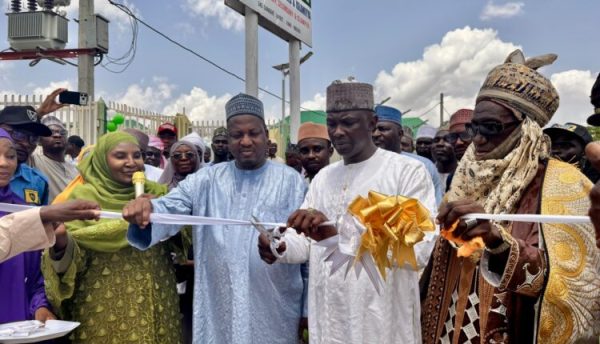
The Women Farmers Advancement Network (WOFAN) has commissioned an inclusive pedestrian bridge, a solar-powered borehole, and an access road in the Danbare community, Kano State, to improve road safety, access to clean water, and transport for thousands of residents and students. The inaugurated projects are expected to benefit residents of Danbare, students of WOFAN Comprehensive School, pupils and students of about 10 neighbouring public and private schools, off-campus students of Bayero University, Kano (BUK), as well as other users of the busy Gwaram Road. Speaking at the commissioning ceremony, WOFAN Founder and Group Executive Board Chair Salamatu Garba said the interventions were conceived after extensive consultations with community members to identify their most pressing needs. In a statement issued on Thursday, she explained that the organisation adopted a community-driven approach that identified safe road crossings, access to potable water, and improved road infrastructure as priority needs for residents. Garba said the pedestrian bridge was designed to enhance safety for thousands of students and residents who cross the busy highway daily, noting that it includes dedicated access for persons with disabilities, including wheelchair users and people using customised tricycles. According to her, the bridge will also improve connectivity between the community and neighbouring areas, facilitate access to markets, and enhance the overall wellbeing of residents. She added that the solar-powered borehole, fitted with more than 12 water collection points, would provide a reliable supply of potable water, while the newly constructed access road would improve mobility and stimulate economic activities within the area. “We have demonstrated that communities do not always have to wait for the government to solve every problem. When residents, institutions and development organisations work together, they can provide practical solutions that improve lives,” Garba said. Representing Kano State Governor Abba Kabir Yusuf, the Special Adviser on Empowerment, Hon. Nasiru Isa Dikko, described the projects as significant contributions to the state’s socio-economic development. He conveyed the governor’s appreciation to WOFAN and its partners for complementing government efforts to deliver infrastructure that improves education, healthcare, transport and citizens’ welfare. Chairman of WOFAN’s Technical Board of Advisors, Prof. Sani Miko, said the interventions addressed longstanding challenges facing Danbare, including chronic water shortages, poor road access and the dangers of crossing the busy dual carriageway. He noted that the pedestrian bridge is among the first disability-friendly bridges in Northern Nigeria and would allow people with disabilities to use it safely alongside other commuters. Also speaking, the Director-General of the Kano Geographic Information Service (KANGIS), Dr. Dalhatu Aliyu Sani, commended WOFAN for investing in community infrastructure and urged other organisations and philanthropists to emulate the initiative. The Vice-Chancellor of Bayero University Kano, Prof. Haruna Musa, said crossing the dual carriageway had long posed serious risks to students and residents, adding that the bridge would significantly improve safety and ease movement between the university and neighbouring communities. Chairman of the WOFAN Comprehensive School Parents-Teachers Association, Isma’il Musa Kalla, said the bridge would improve the safety of thousands of students, parents and other road users on Gwarzo Road. He, however, appealed to the Kano State Government to reconsider the proposed establishment of a gas refilling plant near the school, citing safety concerns. The District Head of Kumbotso, Alhaji Abdullahi Sunusi Barde, praised WOFAN for its humanitarian and community development efforts and disclosed that Garba would be honoured with a traditional title in recognition of her contributions to humanity and community development. On behalf of residents, the Ward Head of Danbare, Abdulmuminu Sharif, thanked WOFAN for responding to the community’s longstanding needs and pledged that residents would protect and maintain the facilities. The commissioning marks another milestone in WOFAN’s efforts to promote sustainable community development through investments in education, water supply, infrastructure and social inclusion across Kano State.

WOFAN Unveils Inclusive Infrastructure Projects To Enhance Safety, Water Access In Kano Community

WOFAN Unveils Inclusive Infrastructure Projects To Enhance Safety, Water Access In Kano Community The Women Farmers Advancement Network (WOFAN) has strengthened community development efforts in Kano State with the commissioning of an inclusive pedestrian bridge, a solar-powered borehole and a newly constructed access road in Danbare community, providing safer mobility, clean water and improved connectivity for thousands of residents. The projects, inaugurated on Wednesday, are expected to transform daily life for residents of Danbare, students of WOFAN Comprehensive School, learners from about 10 neighbouring public and private schools, off-campus students of Bayero University, Kano (BUK), and other commuters along the ever-busy Gwarzo Road. Speaking at the ceremony, WOFAN Founder and Group Executive Board Chair, Dr. Salamatu Garba, said the interventions were conceived through extensive consultations with community members to identify their most pressing needs. She explained that WOFAN adopted a community-led development model, which prioritised safe road crossings, access to potable water and improved transportation infrastructure. Garba noted that the organisation’s educational institutions are situated within a cluster of schools and close to Bayero University, making the highway a major safety concern for thousands of students who cross the road daily. She described the pedestrian bridge as one of the first disability-friendly bridges in Northern Nigeria, designed to accommodate persons with disabilities, including wheelchair users and those using customised tricycles, while also improving access to markets and surrounding communities. She further explained that the solar-powered borehole, equipped with more than 12 water collection points, would provide a sustainable supply of clean drinking water, while the access road would improve transportation, stimulate economic activities and enhance the overall wellbeing of residents. Garba further urged the community to safeguard the facilities, stressing that their longevity depends on collective ownership and proper maintenance. Representing Governor Abba Kabir Yusuf, the Special Adviser on Empowerment, Hon. Nasiru Isa Dikko, commended WOFAN for complementing government efforts in infrastructure delivery.   He said the projects align with the administration’s development agenda and reaffirmed the government’s commitment to partnering with organisations that promote education, healthcare, transportation and improved living standards. Other dignitaries, including the Chairman of WOFAN’s Technical Board of Advisors, Professor Sani Miko, Bayero University Vice-Chancellor, Professor Haruna Musa, KANGIS Director-General Dr. Dalhatu Aliyu Sani, and traditional leaders, described the projects as timely interventions that would significantly improve public safety, water access and socio-economic development. They praised WOFAN’s commitment to inclusive and sustainable development, while community representatives pledged to protect and maintain the facilities for the benefit of present and future generations.

WOFAN commissions Kano’s first inclusive pedestrian bridge, solar borehole, others

The Women Farmers Advancement Network (WOFAN) has commissioned Kano State’s first inclusive pedestrian bridge alongside a solar-powered borehole and an access road in Danbare community, Kumbotso Local Government Area, to improve road safety, access to clean water and transportation for thousands of residents and students. The projects are expected to benefit residents of Danbare, students of WOFAN Comprehensive School, pupils from about 10 neighbouring public and private schools, off-campus students of Bayero University, Kano (BUK), and other road users along the busy Gwarzo Road. Speaking at the commissioning, WOFAN Founder and Group Executive Board Chair, Dr. Salamatu Garba, said the interventions were conceived following extensive consultations with members of the community to identify their most pressing needs.   She explained that the organisation adopted a community-driven approach, which prioritised safe road crossing, access to potable water and improved road infrastructure. Garba noted that WOFAN’s schools are situated within a cluster of educational institutions and close to Bayero University, making the busy highway a major safety concern for thousands of students who cross the road daily. She described the pedestrian bridge as the first of its kind in Kano State, designed with accessibility features for persons with disabilities, including wheelchair users and people using customised tricycles. According to her, the bridge will also improve access to markets, strengthen connectivity within the community and neighbouring areas, and enhance residents’ wellbeing.   She added that the solar-powered borehole, equipped with more than 12 water collection points, would provide a sustainable supply of clean drinking water, while the newly constructed access road would improve mobility and stimulate economic activities. Garba urged residents to take ownership of the facilities by protecting and maintaining them. “We have demonstrated that communities do not always have to wait for the government to solve every problem. When residents, institutions and development organisations work together, they can provide practical solutions that improve lives,” she said. Representing Governor Abba Kabir Yusuf, the Special Adviser on Empowerment, Hon. Nasiru Isa Dikko, commended WOFAN and its partners for complementing the state government’s development efforts through investments in infrastructure that support education, healthcare, transportation and citizens’ welfare. He said the projects align with the administration’s development agenda and appealed to residents to safeguard the facilities for future generations.   Chairman of WOFAN’s Technical Board of Advisors, Professor Sani Miko, said the interventions addressed longstanding challenges in Danbare, including chronic water shortages, poor road access and the dangers associated with crossing the busy dual carriageway. He described the pedestrian bridge as one of the first disability-friendly bridges in Northern Nigeria, allowing persons with disabilities to cross safely alongside other commuters. The Director-General of the Kano Geographic Information Service (KANGIS), Dr. Dalhatu Aliyu Sani, praised WOFAN for supporting government efforts through investments in community infrastructure and urged other organisations and philanthropists to emulate the initiative. Also speaking, the Vice-Chancellor of Bayero University, Kano, Professor Haruna Musa, said the bridge would significantly improve the safety of students and residents who had long faced risks while crossing the highway between the university and neighbouring communities. Chairman of the WOFAN Comprehensive School Parents-Teachers Association (PTA), Isma’il Musa Kalla, described the project as a major relief for thousands of students and parents who use the road daily.   He, however, appealed to the Kano State Government to halt the proposed establishment of a gas refilling plant within an existing filling station near the school, warning that such a facility would pose serious safety and environmental risks to nearby schools and residents. The District Head of Kumbotso, Alhaji Abdullahi Sunusi Barde, commended WOFAN for its sustained humanitarian and community development interventions and announced that Dr. Garba would be honoured with a traditional title in recognition of her outstanding service to humanity. On behalf of residents, the Ward Head of Danbare, Abdulmuminu Sharif, expressed gratitude to WOFAN for responding to the community’s longstanding needs and pledged that residents would protect and maintain the facilities. The commissioning marks another milestone in WOFAN’s commitment to sustainable community development through strategic investments in education, water supply, infrastructure and social inclusion across Kano State.