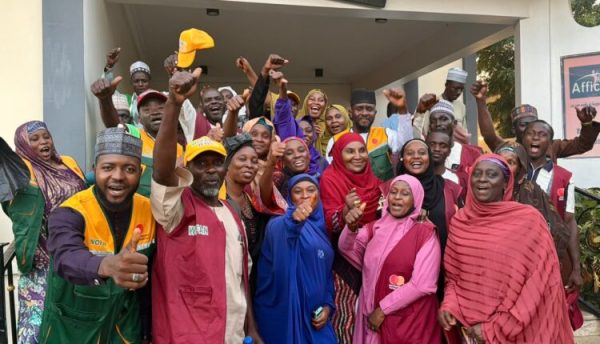
WOFAN commences Rural Women’s Day, World Food Day activities, aligns empowerment with global theme
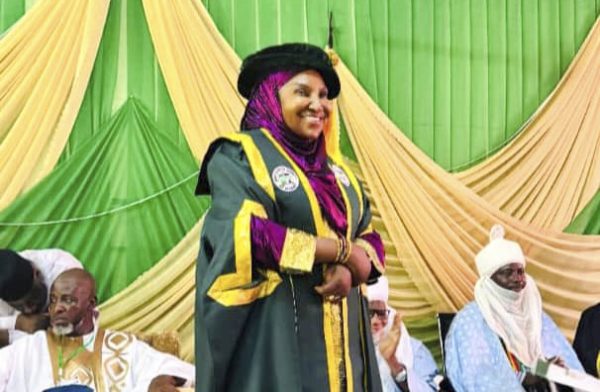
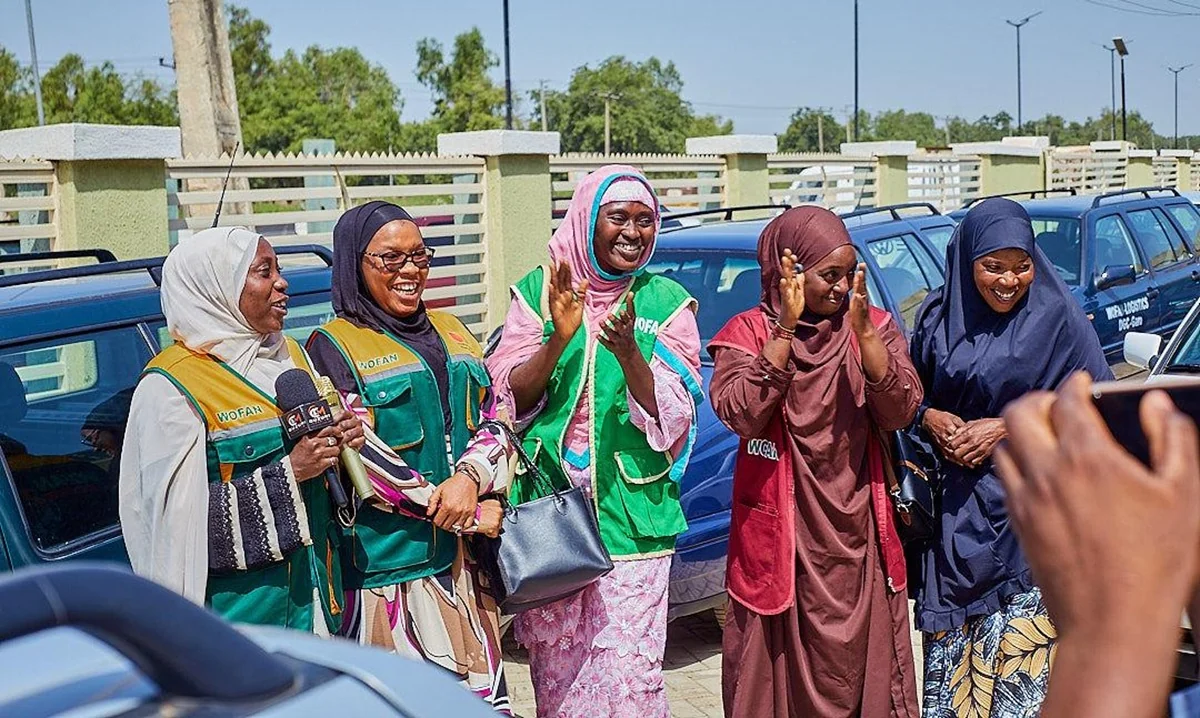
The Women Farmers Advancement Network (WOFAN) has commenced activities to mark the 2026 International Day of Rural Women and World Food Day, aligning its empowerment programmes with global themes on rural women’s contributions to agriculture and food security. SolaceBase reports that the programme aligns with the International Day of Rural Women theme, “Rural Women Farmers Caring for Mother Nature,” and World Food Day’s theme, “Innovate Today. Nourish Tomorrow.” It also reflects 2026 as the International Year of the Woman Farmer. At the launch, WOFAN introduced the themes, called on leaders to prioritise practical support, and heard from beneficiaries who have progressed from receiving farm inputs to becoming agripreneurs, landowners, farm owners, and operators of their own processing facilities. Speaking at the event, WOFAN Founder and Global Advocate, Dr Salamatu Garba, said the organisation had helped women in Kano and Jigawa increase production, raise incomes, and run independent businesses. She said WOFAN organises women into groups, provides grants, farm inputs, and training, links them to markets, and supports them in opening bank accounts. According to her, the organisation has established more than 245 processing centres, mainly for rice, across the two states. Some women who previously worked as labourers now own and operate processing centres, creating employment opportunities for young people. In his remarks, WOFAN’s Monitoring and Data Management Lead, Sadik Hassan Zakariyya, said the organisation’s approach focuses on building capacity, confidence, and financial independence rather than providing mere handouts. He cited the school built by Bagauda farmers through collective savings as evidence that economic empowerment can drive broader community development. Zakariyya urged federal and state governments, as well as other stakeholders, to identify actual needs, address training gaps, and invest in long-term, practical support. “The best way is for government to start by identifying the critical needs of every sector. When you identify the need and training gaps of people, put them together and train them,” she said. She also called for practical agricultural education and greater accountability from leaders on education, employment, and economic empowerment. Beneficiaries also shared their experiences and the impact of WOFAN’s interventions on their livelihoods. Rabi Yusuf from Ikara, Kaduna State, said WOFAN had helped rural women recognise their value and improve their livelihoods. Rabi Umar Idris from Karfi described how the support ended years of eviction threats and enabled her children to attend school, including private school. Shukurana Shu’aibu of Rantal Logistics Riders said more than 180 members now use tricycles provided by WOFAN, adding that each tricycle supports at least five people who previously carried loads on their heads. By equipping rural women and other value-chain actors with skills, resources, and market access, WOFAN aims to strengthen livelihoods, increase productivity, and contribute to food security. The organisation also takes its activities to different levels while highlighting farms operated by persons with disabilities (PWDs) during harvest. WOFAN continues to demonstrate how targeted and inclusive empowerment can transform beneficiaries into owners who take charge of issues affecting their lives and livelihoods. The activities are expected to continue with practical demonstrations, showcases, and other engagements across states, local government areas, and communities in all WOFAN target states.