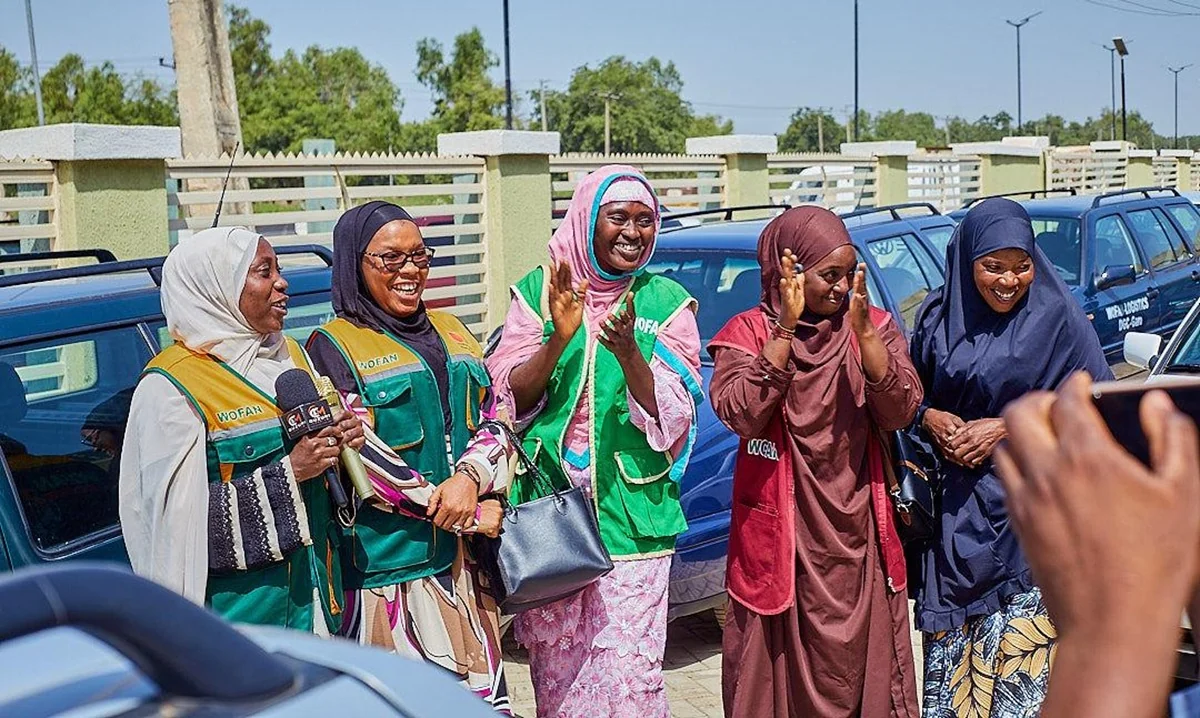
The Women Farmers Advancement Network (WOFAN) has called on journalists to adopt a patriotic and well-informed reportage style to support food security and peace-building efforts in Nigeria.
This appeal was made at a one-day National Dialogue on Promoting Peace building and Climate Smart Agriculture as Catalysts for Economic Growth and Food Security in Nigeria held in Abuja on Wednesday.
The national dialogue that had in attendance traditional leaders, media professionals, Agriculture Researchers and development partners was convened to discuss the role of the media in addressing climate-related conflicts and agricultural insecurity.
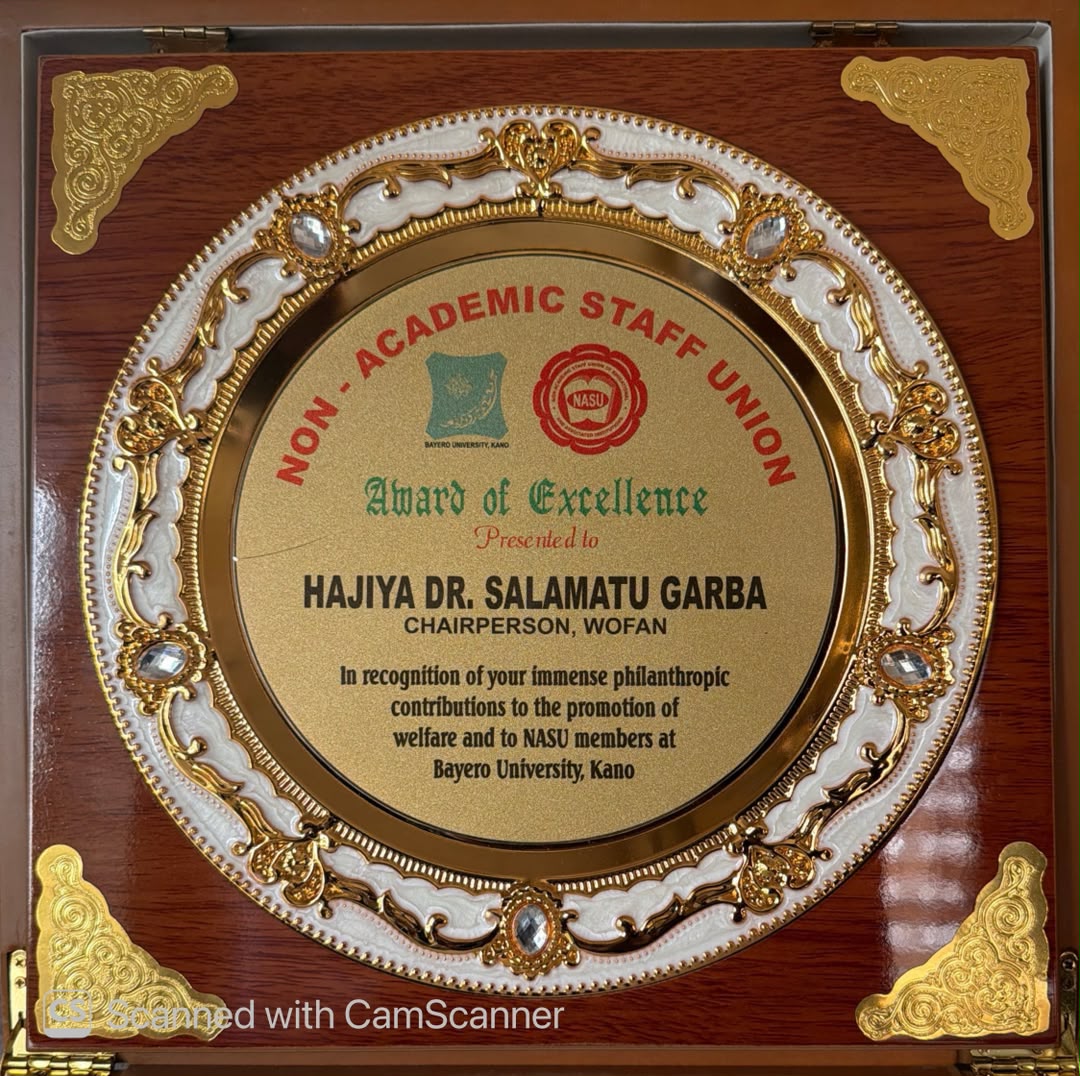
Speaking at the event, WOFAN-ICON2 Project Country Director Dr. Salamatu Garba emphasized the need for a collaborative approach to tackling food security challenges. “We are examining the intersection between peace-building, climate-related resource limitations, and how addressing these issues can promote peace, enhance food security, and boost our national economy.
Dr. Garba underscored the critical role of language in conflict resolution, urging journalists to reconsider terminologies when reporting on farmer-pastoralist clashes. She advocated a shift from labeling herders as ‘antagonistic groups’ to referring to them as ‘livestock farmers,’ similar to how crop farmers are identified.
“Rather than calling them herdsmen, can we instead refer to them as livestock farmers or poultry farmers, just as we identify maize and rice farmers? This shift in language can be the beginning of promoting a more balanced narrative and reduce hostilities between communities,” she explained.
She also stressed the importance of journalists’ welfare, noting that many operate in challenging conditions without adequate protection. Dr. Garba called for insurance packages for media professionals covering security-sensitive issues to ensure their safety while gathering and disseminating information. “Sending journalists into conflict zones without proper protection is like sending soldiers to the battlefield unarmed. If we expect them to fulfill their roles effectively, we must also prioritize their safety,” she emphasized.
At the event, which also examined the role of traditional leaders in peace-building. Dr. Garba highlighted that community leaders, as custodians of cultural heritage and local governance, should be actively involved in resolving conflicts between farmers and livestock owners. “Traditional leaders are the first to know when new individuals arrive in a community and are often responsible for settling disputes. Their role in conflict resolution cannot be overlooked,” she emphasized. She further advocated for policy harmonization, urging relevant legislative bodies to support legal frameworks that reinforce sustainable agricultural practices and security.

SolaceBase reports that the national dialogue was organized by the WOFAN-ICON2 project, supported by the Mastercard Foundation in partnership with Federal Ministry of Agriculture and Food Security,Federal Ministry of Budget and Economic Planning, National Cereals Research Institute, Badeggi, HEDA Resource Centre, UN-POLAC, NAERLS, SolaceBase Communication and Express Radio.
WOFAN-ICON2 Project is a five-year initiative supported by the Mastercard Foundation, which aims to empower 675,000 farmers and strengthen Nigeria’s food security.
On his part, The president of the 74th United Nations General Assembly(UNGA) and former Vice Chancellor Uthman Dan fodio University, Sokoto, Prof. Tijjani Muhammad Bande lauded the initiative of the national dialogue emphasizing the need for food and nutrition security to be addressed together so as to meet the Sustainable Development Goal number 2 of ending hunger by 2030.
‘’It is not possible for us to be discussing food security in agriculture value chain without nutrition security, as they coexist,’’ Bande noted.
He said the method of involving key stakeholders as partners in this journey of finding a sustainable solution to farmers’ conflict is very important.
He implored the gathering to develop actionable recommendations to resolving farmer-pastoralist conflicts.
He commended the idea of involving the media as participants and not just for the event coverage for them to be well equipped to inform the public.
Also, United Nations Positive Livelihood Award Centre (UN-POLAC) Deputy President, Prof. Joseph Legend, while stating the road to peacebuilding, said situations where ammunitions cannot help in addressing issues, focus group discussion can help, as well as friendly and cordial relationship do on many occasions.
The President of the Nigeria Union of Journalists (NUJ), Comrade Alhassan Yahaya, assured that journalists would play their part in promoting responsible reporting and fostering peace in Nigeria.
“I want to take this opportunity to appreciate WOFAN for its collaboration on this important occasion. This is also a moment to remind ourselves of our crucial role as stakeholders in promoting peace and development. I assure you that we are making significant progress toward achieving our shared objectives,” he stated.
He emphasized that achieving lasting peace in Nigeria requires the full implementation of UN Resolution 1925. “This resolution, adopted by Nigeria in the year 2000, highlights the importance of women’s inclusion in decision-making processes and peace-building efforts. Ensuring their participation in these engagements will contribute significantly to stability and sustainable development. At the same time, the media has a critical role to play in shaping public discourse and ensuring that these principles are upheld. I reaffirm our commitment to collaborating closely to achieve these objectives.”
He further stressed the NUJ’s focus on two key issues: nationalism and media professionalism. “For us to effectively carry out our duties as journalists, we need a peaceful and stable country. By working together, we can shape a better narrative and contribute meaningfully to national progress,” he added.
In his remarks, Etsu Kwali and Chairman, Kwali Traditional Council, Luka Ayedoo Nizassan commended WOFAN’s Executive Director for her continuous efforts in spearheading initiatives that benefit Nigerians. “I want to use this platform to first congratulate the CEO of WOFAN. She is undertaking a very courageous initiative—one that ideally should have been led by the government,” he stated.
Read Also:Agriculture Extension Services bill is designed to promote agric development in Nigeria-Minister
“This is a commendable effort from the private sector. Nigeria is 65 years old, and we only established the Ministry of Livestock in 2023. What have we done in the last 62 years? She deserves another round of applause,” he added.
The Etsu Kwalli emphasized the intricate relationship between food security, economic growth, agricultural productivity, and peace. “If one of these sectors is underperforming, it affects the entire system. That is why this gathering is so crucial and timely. Agriculture in Nigeria contributed 25.75% to employment in 2024 and has a significant impact on our GDP. However, employment opportunities in agriculture are declining, and its contribution to GDP has stagnated due to conflicts, climate change, and other pressing challenges. We must take actionable steps to address these issues.”
As traditional rulers, he noted that they are at the forefront of every conflict and directly experience the consequences of food insecurity. “When people are hungry, they come to our palaces first, even before going to political offices. Hunger and economic hardship affect us all. That is why we must be part of this cause,” he stated.
Read Also:How to stop conflicting judgements- CJN
He further praised WOFAN’s holistic approach. “What sets WOFAN apart is its comprehensive strategy. Unlike other initiatives that start and later realize the need for inclusivity, WOFAN has built a platform with a broad vision that incorporates gender perspectives. This is critical in achieving lasting solutions.”
Drawing from his experience working with the National Security Advisor’s office, ETSU Kwalli stressed the need for human security approaches. “For too long, security discussions have focused solely on military interventions. But I am glad that Nigeria is beginning to realize the importance of human security. Women, in particular, should have a 60-40 representation in peace-building efforts. If women are involved in discussions at the boardroom level and in conflict-prone areas, it will significantly reduce violence and open up farmlands for cultivation.”
He concluded by reaffirming the commitment of traditional leaders to the cause. “If our GDP grows in real terms, everyone benefits. Economic development and poverty reduction go hand in hand. On behalf of the traditional rulers, I want to assure you that we are part of this cause, and we will contribute our full support and commitment.”