Agricultural extension service bill passes first reading

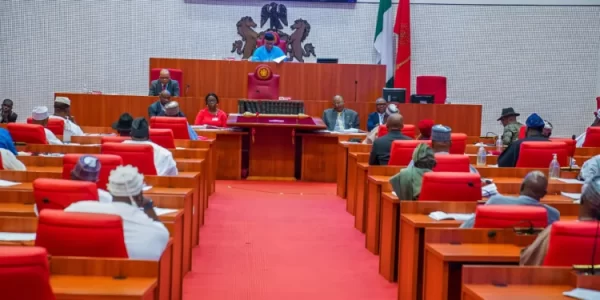
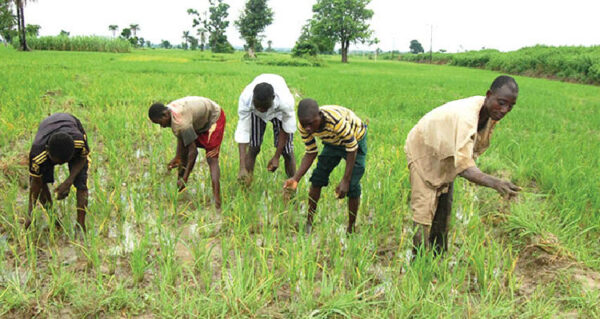
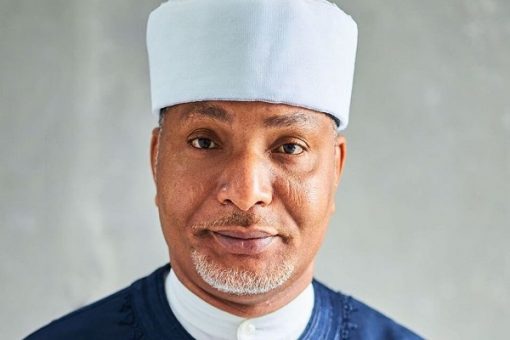
The Nigerian Senate has made significant progress toward bolstering the nation’s agricultural sector as the Agricultural Extension Service Bill, 2024 (SB. 646), sponsored by Senator Saliu Mustapha, passed its first reading. The bill, championed by agricultural stakeholders, including the WOFAN-ICON2 project, aims to strengthen agricultural extension services to enhance smallholder farmers’ productivity and ensure food security nationwide. It also seeks to equip extension workers with advanced, technology-driven, and demand-oriented skills to improve service delivery. Speaking on the objectives of the bill, Senator Mustapha, representing Kwara Central, stated that it aims to implement the National Agricultural Extension Policy and Strategy effectively. He emphasised that the bill would establish a legal framework for sustainable agricultural extension services in Nigeria.  Furthermore, the legislation would support the creation of a harmonised, pluralistic, and demand-driven e-agriculture extension system to boost efficiency across the agricultural value chain. Recall that the Minister of State for Agriculture and Food Security, Senator Aliyu Abdullahi, commended the efforts of stakeholders, including the WOFAN-ICON2 project and the National Agricultural Extension and Research Liaison Services (NAERLS), in drafting the bill.
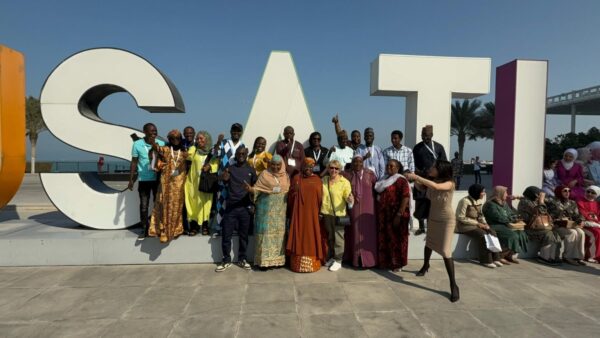
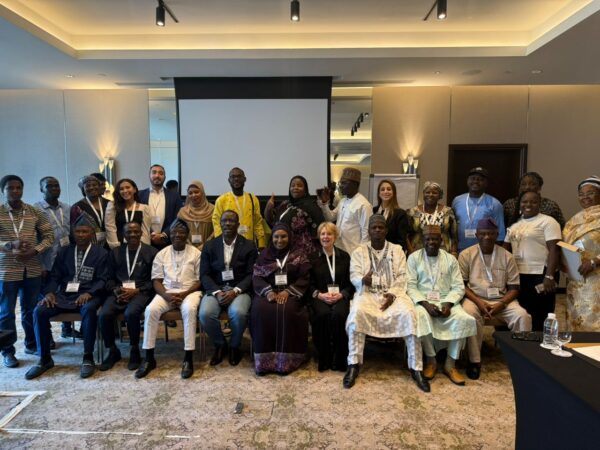
PHOTOS: WOFAN-ICON2 team completes leadership training in Qatar

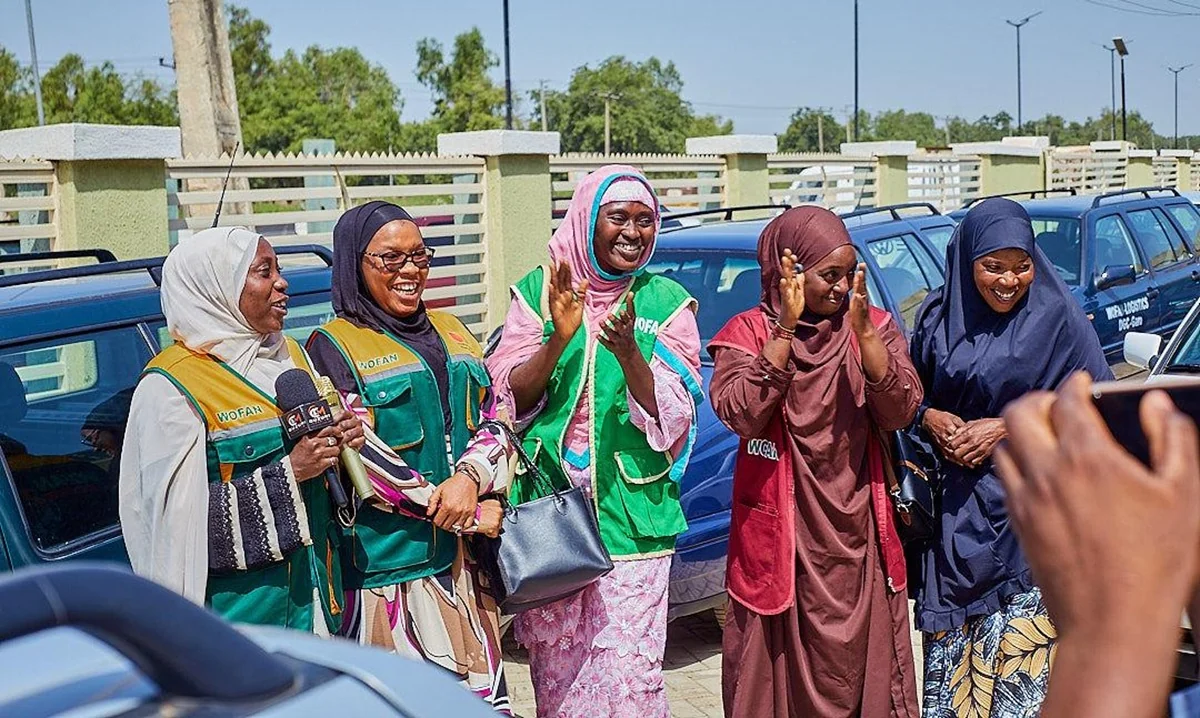
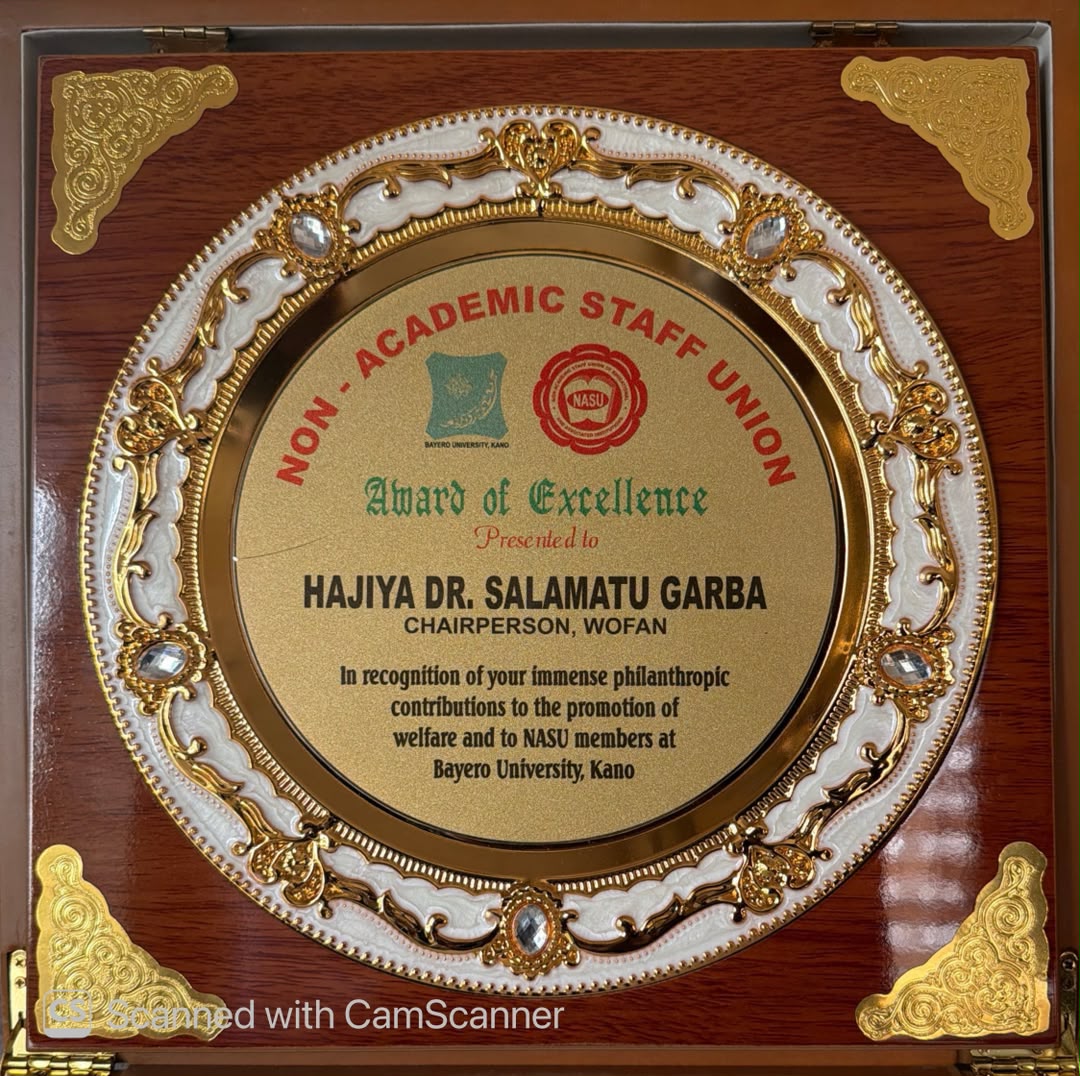
The Women Farmers Advancement Network (WOFAN) ICON2 team has successfully completed a week-long intensive leadership training in Doha, Qatar, organized by the Prospects Development Services and fully sponsored by WOFAN/ICON 2 Project. The training participants comprised WOFAN directors, academia, media, administrators, focal persons, and members of the organization’s media team, reflecting a diverse group committed to advancing rural development. SolaceBase reporter who was part of the team said the training which ended on Friday featured sessions led by experts, including Prof. Joan Lockyer, a distinguished professor of entrepreneurship from the UK, and Dr. Muhammed Evren Tok of Hamad Khalifa University.   Topics discussed ranged from leadership development to entrepreneurship and project management, equipping participants with essential skills to drive WOFAN’s mission of empowering women farmers. The participants also enjoyed an educational tour of Doha’s landmarks, such as the Katara Cultural Village, Lusail City, and the Qatar National and Islamic Museums, blending learning with cultural enrichment. Addressing the team during the closing ceremony, WOFAN-ICON2 Project Country Director, Dr. Salamatu Garba expressed optimism about the impact of the training. “This program is a game-changer for WOFAN. The insights and skills gained will undoubtedly transform our approach to empowering rural communities. I am immensely proud of the team’s dedication throughout this journey.” She added that the training is an essential step in building a stronger team that can drive WOFAN’s vision of transforming rural communities. “The opportunity to learn and explore Doha adds a unique dimension to our journey.” Some of the participants shared their experiences. Prof. Mahmud Daneji said “This experience has opened my eyes to new possibilities. I feel empowered to implement these strategies in my community and create meaningful change.” Another participant Wilson Godwin explained that “The training sessions were practical, engaging, and relevant to our mission. The cultural tours added a rich layer of inspiration to our learning journey.” The training was completed with a formal certificate presentation ceremony, where participants expressed gratitude for the invaluable experience. The WOFAN-ICON2 team is set to return to Nigeria in the early hours of Monday, carrying with them renewed energy and innovative ideas to implement within their communities.

WOFAN ICON-2 Team Undergoes Intensive Leadership Training In Qatar

A team from the Women Farmers Advancement Network (WOFAN) ICON-2 has successfully completed a transformative training program, marking a significant milestone in their journey to empower rural communities. The program has equipped the team with valuable insights and skills to enhance their approach to rural development. The training program, tagged “Cross-Functional Project Management and Inclusivity for Organizational Culture Change,” took place in Doha, Qatar, The one week training was organized by Prospects Development Services, sponsored by WOFAN ICON-2, and facilitated by Professor Joan Lockyer from the UK and Dr. Muhammed Evren Tok of Hamad Khalifa University. The program covered topics such as leadership development in project management, theories, practical and interactive sessions, and the Lego play method to enable participants to turn ideas into reality, aligning with WOFAN’s aims and objectives. According to Hajiya Salamatu Garba, WOFAN ICON-2 Country Director, “With renewed energy and expertise, the WOFAN team is now better equipped to make a meaningful impact in the lives of rural communities.” She added, “The program is a game-changer for WOFAN. We are proud of our team’s dedication and excited to apply our new skills to drive our vision of transforming rural communities.” Participants, including WOFAN ICON-2 board members, academia, administrators, focal persons, and media team members, described the training as apt and promised to use the knowledge gained to move WOFAN ICON-2 to a global standard. They also expressed their commitment to cascading the training to others who were not part of the program to improve their work. During the training, participants were also taken on a tour of various locations, including Katara City, Lusail Stadium, Museum, Heenat Salma Farm, Boat Cruise, Market, and others.

Agricultural extension service bill scales through first reading in Senate

The Senate took another positive step towards improving the country’s agricultural sector as the Agricultural Extension Service Bill, 2024 (SB. 646), sponsored by Senator Saliu Mustapha, passed its first reading. The (WOFAN-ICON-2) and agricultural extension stakeholders sponsored Agricultural Extension Service Bill, (SB.646) has passed the first reading at the floor of the Nigerian Senate. The bill aims to strengthen agricultural extension services that will support smallholder farmers to improve productivity and ensure food security in the Nation. Furthermore, the bill targets to strengthen the capacity of extension workers to deliver advanced, technology-driven, and demand-oriented services. Senator Saliu Mustapha, who represents Kwara Central at the National Assembly while speaking with journalists on the objectives of the bill,said it aims to ensure the effective implementation of the National Agricultural Extension Policy and Strategy and to establish a legal framework for sustainable agricultural extension services in Nigeria. The Lawmaker further noted that the bill will further create a sustainable, harmonized, pluralistic, and demand-driven e-agricultural extension system that will ensure efficient service delivery across the agricultural value chain. Recall that the Minister of State for Agriculture and Food Security, Senator Aliyu Abdullahi during a technical update meeting held in Abuja recently, commended the efforts of WOFAN-ICON2 project, NAERLS and other stakeholders in putting the draft bill together. Senator Abdullahi who contributed effectively during the meeting also noted that with about 70 per cent of the population are involved in agriculture and further emphasized that it is important to ensure they receive the kind of technical support they need to be able to achieve optimal outputs and good income. “Extension Agents don’t just show farmers Good Agronomic Practices, they step down successful research results and new innovative techniques to farmers for improved outputs. “So, Extension Agents are very positive additions to how farmers are supposed to operate. And so, to me the proposed bill will be a game changer.’’

Agricultural Extension Service Bill Scales First Reading

The Agricultural Extension Service Bill, 2024 (SB. 646) has passed its first reading on the floor of the Senate. The bill sponsored by Senator Saliu Mustapha, representing Kwara Central, aimed to strengthen agricultural extension services and support smallholder farmers to improve productivity and ensure food security. The (WOFAN-ICON-2) and agricultural extension stakeholders sponsored bill also targets to strengthen the capacity of extension workers to deliver advanced, technology-driven, and demand-oriented services. Senator Mustapha while speaking on the objectives of the bill noted that it will ensure the effective implementation of the National Agricultural Extension Policy and Strategy and to establish a legal framework for sustainable agricultural extension services in Nigeria. The lawmakers further noted that the bill will further create a sustainable, harmonised, pluralistic, and demand-driven e-agricultural extension system that will ensure efficient service delivery across the agricultural value chain. LEADERSHIP recalled that the minister of State for Agriculture and Food Security, Sabi Abdullahi  during a  technical update meeting held in Abuja recently, commended the efforts of WOFAN-ICON2 project, NAERLS  and other stakeholders in putting the draft bill together. Senator Abdullahi who contributed effectively during the meeting also noted that about 70 per cent of the population are involved in agriculture and further emphasised that  it is important to ensure they receive the kind of technical support they need to be able to achieve optimal outputs and good income. The minister said, “Extension Agents don’t just show farmers Good agronomic practices, they step down successful research results and new innovative techniques to farmers for improved outputs. Extension Agents are very positive additions to how farmers are supposed to operate. And so, to me the proposed bill will be a game changer.’’ Speaking on the development, WOFAN- ICON2 country director, Dr Salamatu Garba said, “this effort of reading the bill is quite timely because it’s time to support our agricultural  research institutions,  as our  country cannot achieve much if the institutions  are not supported enough to  produce  desired extension workers to boost food security.’’