WOFAN-ICON2, NCRI Partner To Launch Initiatives To Boost Food Security, Job Creation

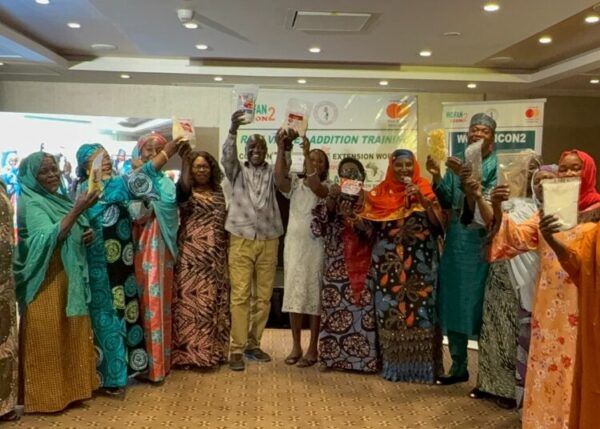
The WOFAN-ICON2 project has commenced activities aimed at enhancing food security and creating dignified job opportunities for youth, particularly women and people with disability in partnership with consultants from the National Cereals Research Institute in Badegi, Niger State.   The project has set ambitious goals for 2025, including reducing rice production and post-harvest losses, increasing income sources for smallholder farmers and processors, and improving food security through value addition strategies. The project was launch in Abuja where attendees included women groups from Adamawa, Bauchi, Benue, Gombe, Kaduna, and Nasarawa states, consisting of community trainers and extension workers. The session was geared towards strategizing on innovative approaches for enhancing the economic and nutritional value of rice to create appealing end products that consumers are willing to purchase. During the meeting, Hajia Maimuna Lawal, WOFAN-ICON2’s Strategy, Innovation, and Sustainability Director, highlighted that 30-40% of rice produced in Nigeria is lost or wasted along the value chain. To combat these issues, Hajia Lawal emphasized the importance of developing innovative products from rice harvested by smallholder farmers and processors, which can help recover losses and boost income. Utilising rice by-products for new products is expected to minimize losses along the value chain, thereby enhancing women’s economic prospects. Dr. Nehemiah Danbaba, a rice value chain specialist from the National Cereals Research Institute, stressed the potential of value addition in transforming poor-quality rice into high-value products. He presented the example of broken rice, typically rejected after sorting, which can be milled into flour, creating a new product with diverse applications. Such innovations can significantly contribute to nutritional and economic outcomes for women and society. Hajia Salamatu Garba, WOFAN-ICON2’s Country Project Director, who stated that the initiative is in line with the Mastercard Foundation initiative of creating dignified job opportunities of about 10million youths including women and people with disability. The innovations include cutting cake baked with rice and groundnut flour and further displayed other forms of products including the use of carbonized rice husks to make briquettes and fertizers and concluded with discussing the strategic direction for 2025. According to her, others are introducing simple processing machines to various rice products and building the capacities of youths, enhancing and fortifying rice with neccessary nutrients and other crops such as soybeans and groundnuts to make fortified rice and flour that is ready to use and be transformed into various foods and snacks such as nutritious rice cheese balls , rice prinkles, waina mix, etc. She noted that the WOFAN-ICON2 Project stands as a beacon of hope for enhancing food security and creating economic opportunities in Nigeria. Through strategic partnerships with relevant research and regulating bodies as well as implementing innovative practices, the project aims to empower women and youth in the rice value chain, ultimately leading to a more sustainable and prosperous agricultural sector. Mr Taiwo Olawale the Operations and Business manager of WOFAN concluded the meeting by stating that “The successful implementation of these initiatives can pave way for significant improvements in enhancing the economic growth, boost food security and scale- up nutritional outcomes and resulting in multiplier benefits for communities involved”.
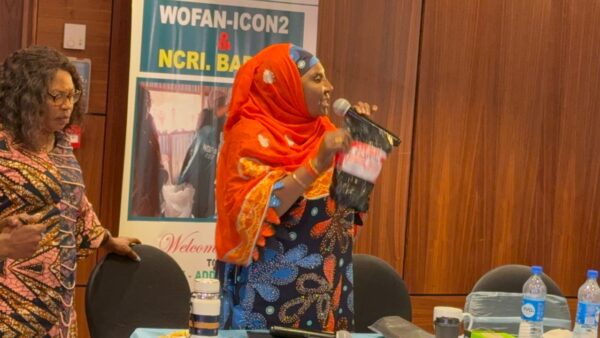
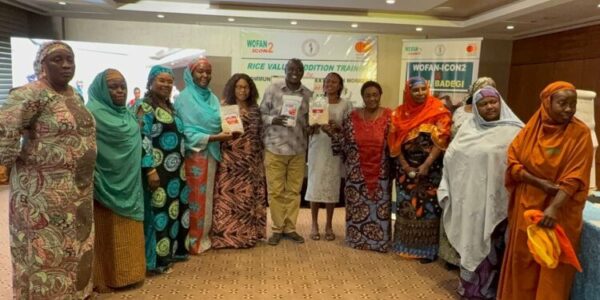
WOFAN-ICON2 Project partners NCRI to launch initiatives to enhance food security, job opportunities through rice value initiatives

The WOFAN-ICON2 Project has commenced activities aimed at enhancing food security and creating dignified job opportunities for youth, particularly women and people with disability in partnership with consultants from the National Cereals Research Institute in Badegi, Niger State. SolaceBase reports that the project has set ambitious goals for 2025, including reducing rice production and post-harvest losses, increasing income sources for smallholder farmers and processors, and improving food security through value-addition strategies. This was announced at a pivotal meeting held in Abuja, the Federal Capital Territory, marking the launch of a new project year where attendees included women groups from Adamawa, Bauchi, Benue, Gombe, Kaduna, and Nasarawa states, consisting of community trainers and extension workers. The session was geared towards strategizing innovative approaches for enhancing the economic and nutritional value of rice to create appealing end products that consumers are willing to purchase. During the meeting, WOFAN-ICON2’s Strategy, Innovation, and Sustainability Director, Hajia Maimuna Lawal, highlighted that 30-40% of rice produced in Nigeria is lost or wasted along the value chain. The reasons for these losses include Pests and diseases, Suboptimal agronomic practices, Poor handling practices and Lack of processing infrastructure. To combat these issues, Hajia Lawal emphasized the importance of developing innovative products from rice harvested by smallholder farmers and processors, which can help recover losses and boost income. Furthermore, utilizing rice by-products for new products is expected to minimize losses along the value chain, thereby enhancing women’s economic prospects. A rice value chain specialist from the National Cereals Research Institute, Dr. Nehemiah Danbaba, stressed the potential of value addition in transforming poor-quality rice into high-value products. He presented the example of broken rice, typically rejected after sorting, which can be milled into flour, creating a new product with diverse applications. Such innovations can significantly contribute to nutritional and economic outcomes for women and society. WOFAN-ICON2 Project Country Director, Hajia Salamatu Garba, stated that the initiative is in line with the Mastercard Foundation initiative of creating dignified job opportunities for about 10 million youths including women and people with disability kick-started the 2025  project year by cutting a cake baked with rice and groundnut flour and further displayed other forms of products including the use of carbonized rice husks to make briquettes and fertizers and concluded with discussing the strategic direction for the year. According to her, this includes introducing simple processing machines to various rice products and building the capacities of youths to engage professionally in value addition, enhancing and fortifying rice with necessary nutrients and other crops such as soybeans and groundnuts to make fortified rice and flour that is ready to use and be transformed into various foods and snacks such as nutritious rice cheese balls, rice prickles, ‘Waina mix’, etc. The WOFAN-ICON2 Project stands as a beacon of hope for enhancing food security and creating economic opportunities in Nigeria. Through strategic partnerships with relevant research and regulating bodies as well as implementing innovative practices, the project aims to empower women and youth in the rice value chain, ultimately leading to a more sustainable and prosperous agricultural sector. The Operations and Business manager of WOFAN Mr Taiwo Olawale concluded the meeting by stating that “The successful implementation of these initiatives can pave  way for significant improvements in enhancing the economic growth, boost food security and scale- up nutritional outcomes  and resulting in  multiplier benefits for communities involved .

WOFAN-ICON2, NCRI to launch rice value initiatives to boost food production, job creation

The Women Farmers Advancement Network (WOFAN) ICON2 Project and consultants from the National Cereals Research Institute (NCRI) in Badegi, Niger State, have commenced activities aimed at enhancing food security and creating dignified job opportunities for young people. The project has set ambitious goals for 2025, including reducing rice production and post-harvest losses, increasing income sources for smallholder farmers and processors, and improving food security through value addition strategies. A meeting was held in Abuja to launch the new project year, attended by women’s groups from Adamawa, Bauchi, Benue, Gombe, Kaduna, and Nasarawa states, comprising community trainers and extension workers. The session focused on strategising innovative approaches to enhance the economic and nutritional value of rice, aiming to create appealing end products that consumers are keen to purchase. During the meeting, Hajia Maimuna Lawal, WOFAN-ICON2’s Strategy, Innovation, and Sustainability Director, highlighted that 30-40 per cent of rice produced in Nigeria is lost or wasted along the value chain. According to her, these losses are caused by pests and diseases, suboptimal agronomic practices, poor handling, and a lack of processing infrastructure. To address these issues, Hajia Lawal emphasised the importance of developing innovative products from rice harvested by smallholder farmers and processors, helping to recover losses and boost income. Furthermore, she noted that utilising rice by-products for new products is expected to minimise losses along the value chain, thereby enhancing women’s economic prospects. Dr Nehemiah Danbaba, a rice value chain specialist from the NCRI, stressed the potential of value addition in transforming poor-quality rice into high-value products. He cited the example of broken rice, typically rejected after sorting, which can be milled into flour to create a new product with diverse applications. Such innovations, according to him, can significantly contribute to improved nutritional and economic outcomes for women and society.   Hajia Salamatu Garba, WOFAN-ICON2’s Country Project Director, stated that the initiative aligns with the Mastercard Foundation’s goal of creating dignified job opportunities for about 10 million young people, including women and people with disabilities. She kick-started the 2025 project year by cutting a cake baked with rice and groundnut flour and showcasing other innovative products, such as carbonised rice husks used to make briquettes and fertiliser. She said the strategic plan for 2025 includes introducing simple processing machines for various rice products and building the capacities of young people to engage professionally in value addition. Other initiatives include enhancing and fortifying rice with essential nutrients and combining it with crops such as soybeans and groundnuts to create fortified rice and flour. These can then be transformed into various foods and snacks, such as nutritious rice cheese balls, rice sprinkles, and waina mix. Through strategic partnerships with relevant research and regulatory bodies and the implementation of innovative practices, the project aims to empower women and young people in the rice value chain, ultimately contributing to a more sustainable and prosperous agricultural sector. Mr Taiwo Olawale, the Operations and Business Manager of WOFAN, concluded the meeting by stating: “The successful implementation of these initiatives can pave the way for significant improvements in economic growth, boost food security, and scale up nutritional outcomes, resulting in multiplier benefits for the communities involved.”