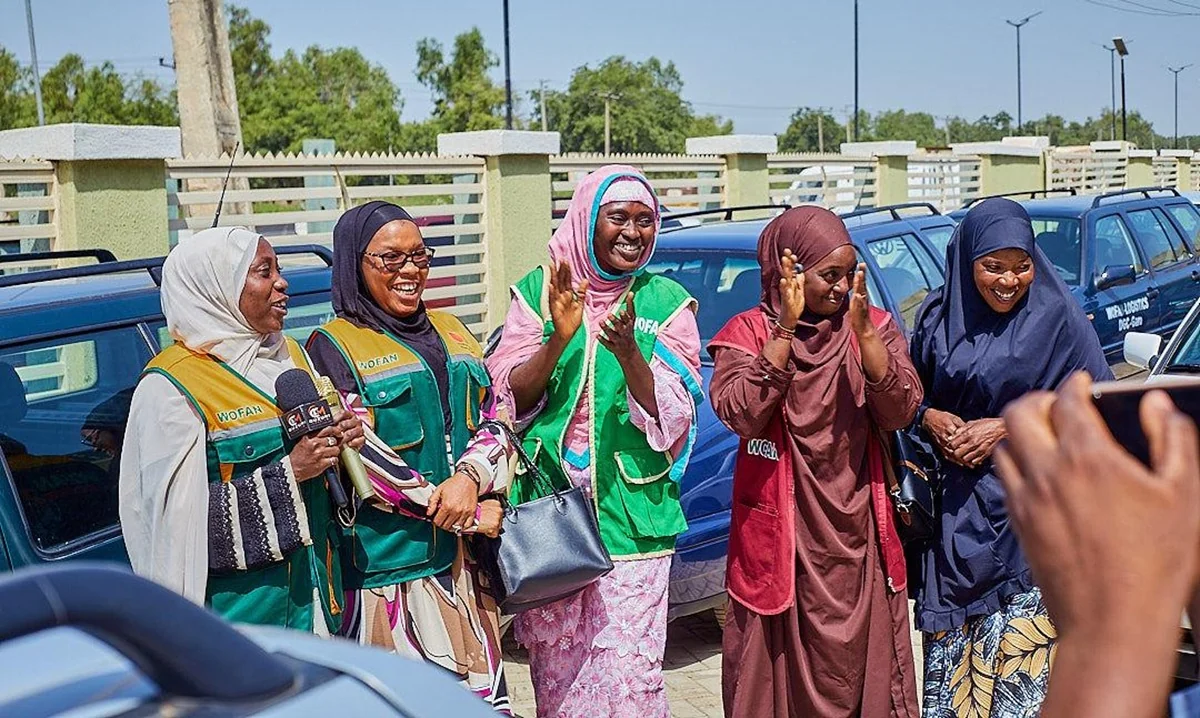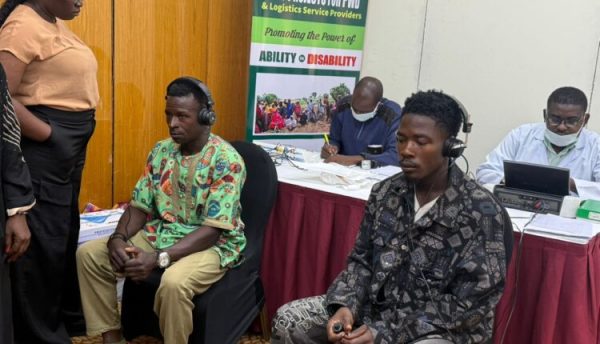
WOFAN, MasterCard Foundation begin hearing aid support for PWDs

The Women Farmers Advancement Network (WOFAN), in collaboration with the MasterCard Foundation, has commenced screening of PWDs to benefit from its hearing aid support for 1,200 young Nigerians living with hearing impairment. SolaceBase reports that the initiative, which is part of the WOFAN-ICON2 project, aims to identify and equip individuals with the necessary medical assistance, including hearing aids and counselling, to enhance their access to dignified work, particularly in agriculture. Speaking during the maiden screening exercise on Tuesday in Abuja, the Country Director,  WOFAN-ICON2 Project, Dr. Salamatu Garba, said that the organisation has engaged four Ear, Nose, and Throat (ENT) medical consultants and technicians from four geopolitical zones of the country. These professionals will be responsible for identifying eligible beneficiaries in WOFAN’s project areas. The Country Director,  WOFAN-ICON2 Project, Dr. Salamatu Garba, speaking at the screening exercise in Abuja on Tuesday “Today, we are conducting screenings, not just distributing hearing aids randomly. We need to identify those who are genuinely in need, assess the degree of their hearing loss, and determine the appropriate category of hearing aid required,” Dr. Garba explained.   “Some people may not even need hearing aids. Their condition might only require ear cleaning or minor surgery. That’s why we’re relying on expert consultants to properly diagnose and categorize each case,” she added.  “When we talk about disability, the focus is often on physical impairments. But hearing challenges also cause severe stigma and communication barriers that hinder people’s ability to participate in training, access information, or follow safety instructions,” she said. On his part, the surgeon head of Audiology, Aminu Kano Teaching Hospital (AKTH), Professor Abdulazeez Ahmed, praised the initiative and emphasized the urgent need to raise public awareness about hearing loss. Professor Ahmed noted that hearing impairment is often an invisible disability. He also explained why some individuals with hearing impairments struggle to understand speech even when using hearing aids. He stressed the difference between hearing sounds and making sense of them, saying, “You might hear a phone ring, yet be unable to follow a conversation. That’s because hearing sound and understanding speech are two different processes.” He noted that hearing aids amplify sound but do not automatically restore speech comprehension. Also speaking at the event, WOFAN’s Business Development Manager, Mr. Taiwo Olawale, said that the initial screening of 60 individuals in the North Central region will serve as a pilot phase. The program will then be scaled up to the North-East and North-West regions, including states such as Adamawa, the Federal Capital Territory (FCT), and Kano. Highlighting the significance of the project, WOFAN Gender Specialist and FCT Lead, Hajia Maryam Lawal, noted the strong link between hearing impairment and food security. “Imagine how a deaf farmer is left out—unable to participate fully in training sessions, interpret safety instructions, or receive market information. These gaps directly affect productivity and national food security,” she stated. Funded by the Mastercard Foundation, the WOFAN-ICON2 Project aims to support 675,000 youth, including 70% women, across nine Nigerian states over five years, as part of the Young Africa Works–Nigeria strategy (2021–2030), which seeks to secure dignified and fulfilling employment for 10 million youth.
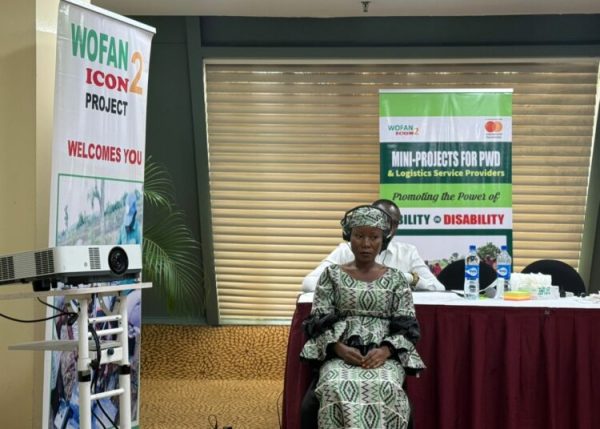
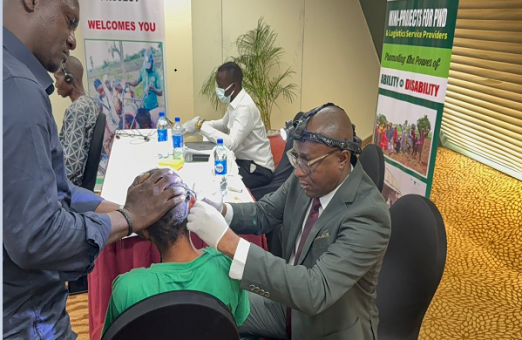
WOFAN, MasterCard, ENT Experts Launch Hearing Aid For PWDs

With support from the MasterCard Foundation, the Women Farmers Advancement Network (WOFAN) has launched a targeted initiative in partnership with ENT specialists to support young Nigerians living with hearing impairment. The programme, which forms part of the WOFAN-ICON2 project, seeks to identify and equip 1,200 individuals between 18 and 35 with the necessary medical assistance, particularly hearing aids and counselling, to enhance their access to dignified work, especially in agriculture. Speaking at the flag-off event in Abuja, Dr. Salamatu Garba, WOFAN’s ICON2 Country Project Director, emphasised the often-overlooked plight of deaf people. “When we talk about disability, the focus is usually on physical mobility, but people with hearing challenges face immense stigma and frustration in communication,” she said. Dr. Garba explained that the initiative goes beyond the mere distribution of hearing aids; it includes medical screening by expert consultants to determine eligibility and appropriate interventions. “We are partnering with ENT specialists from reputable institutions to conduct these screenings. Some people might only require minor procedures like wax removal or cleaning, while others may need hearing aids. This is why medical verification is essential before any support is administered,” Dr. Garba noted. In his remarks, the Business Development Manager, Mr Taiwo Olawale, said the initial screening of 60 individuals in the North Central region will serve as a pilot, after which the programme will extend to the North-East and North-West zones, including states like Adamawa, FCT and Kano. Highlighting the project’s focus on young, productive individuals, the gender specialist and FCT Lead, Hajia Maryam Lawal, stressed the link between hearing impairment and food security, stating that the project is focusing on people within the 18 to 35-year age bracket, especially those in agriculture. “Imagine how much the deaf farmer ignores them. How do they interact with training, safety instructions, or market information? This affects productivity and national food security,” she added. Supporting the initiative, Dr. Bassey Adem, an ENT consultant from the university teaching hospital Calabar, described hearing loss as a serious public health concern often underfunded. He lauded the collaboration between WOFAN and the Mastercard Foundation, saying, “Most people affected come from low-income backgrounds and can not afford hearing aids that cost hundreds of thousands of naira to acquire just one hearing aid. This programme will go a long way in restoring dignity and function to many lives.” Professor Abdulazeez Ahmed, an ENT consultant at Aminu Kano Teaching Hospital, and Dr Manir Anka both commended the project and stressed the need for greater public awareness. Discussing further, Prof. Azeez indicated that “Hearing impairment is a hidden disability. If I don’t speak, you might not know I am deaf. That’s why advocacy and education are key to removing the stigma and fostering integration,” he explained. He encouraged other NGOs to emulate WOFAN’s commitment to inclusivity. Professor Ahmed further stressed the importance of multi-sector collaboration in tackling disability-related challenges. “This is not the government’s responsibility alone. Well-meaning Nigerians and organisations need to come together to uplift those living with disabilities,” he said, urging for national attention to hearing impairment as a critical but often ignored issue. As the programme progresses, WOFAN and the Mastercard Foundation hope to build a model for disability inclusion that combines medical intervention, awareness creation, and economic empowerment. With plans to expand across the nine targeted states of the WOFAN-ICON2 project, the initiative represents a crucial step toward ensuring no one is left behind in pursuing sustainable pathways to dignified and fulfilling job opportunities.

WOFAN, Mastercard Foundation launch support initiative for hearing-impaired youths in agriculture

In a significant move towards inclusive development, the Women Farmers Advancement Network (WOFAN), in collaboration with the Mastercard Foundation and ENT specialists, has launched a hearing support initiative targeting young Nigerians with hearing impairments. The initiative, part of the WOFAN-ICON2 project, aims to identify and provide medical assistance, including hearing aids and counselling, to 1,200 individuals aged 18 to 35, to enhance their access to dignified employment opportunities, particularly within the agricultural sector. Speaking at the official launch in Abuja, Country Project Director of WOFAN-ICON2, Dr. Salamatu Garba, underscored the social exclusion faced by people with hearing loss. “When disability is discussed, focus often centres on physical impairments, while hearing-impaired individuals are left to battle communication barriers and societal stigma,” she noted. Dr. Garba clarified that the initiative is not just about distributing hearing aids but also involves thorough medical screening by ENT experts to determine the right support. “Some may need simple procedures like wax removal, while others genuinely require hearing devices. Accurate diagnosis is essential before intervention,” she said. Business Development Manager at WOFAN, Mr. Taiwo Olawale, disclosed that the pilot phase will begin with the screening of 60 individuals in the North Central region before scaling to other zones, including the North-East and North-West, covering states like Adamawa, Kano, and the FCT. WOFAN’s Gender Specialist and FCT Lead, Hajia Maryam Lawal, emphasised the need to include hearing-impaired youths in agricultural development, noting that disability inclusion is key to achieving national food security goals. “Imagine a deaf farmer being excluded from training sessions or safety briefings. Their productivity and ability to contribute to food security are compromised. That’s why we’re targeting this group,” she said. ENT consultant Dr. Bassey Adem from the University of Calabar Teaching Hospital described hearing loss as a pressing but underfunded public health issue. He commended the partnership, noting that many affected individuals cannot afford hearing aids, which can cost hundreds of thousands of naira. “This programme restores not just hearing, but dignity and opportunity,” Dr. Adem said. Also lending support, Professor Abdulazeez Ahmed of Aminu Kano Teaching Hospital and Dr. Manir Anka praised the initiative for spotlighting a “hidden disability.” “Hearing loss is invisible. Unless someone speaks, you might not realise they are deaf. That’s why public education and awareness are essential to end stigma and foster inclusion,” Prof. Ahmed said. He called on other organisations to replicate WOFAN’s inclusive model and urged for broader collaboration in addressing disability-related challenges. “This is not solely the government’s duty. All of society must play a role in uplifting persons with disabilities,” he stated. As the programme advances across the nine focus states of the WOFAN-ICON2 project, it aims to set a national standard for disability inclusion, merging medical intervention, public awareness, and economic empowerment to ensure no one is left behind.