
Rice Council Development bill to save Nigeria $2bn annually from imports -Senate committee

Nigeria may soon cut down its $2 billion annual rice import bill as the Senate Committee on Agricultural Production, Services, and Rural Development advanced deliberations on the proposed Rice Council Development Bill, aimed at transforming the nation’s rice industry and driving food self-sufficiency. SolaceBase reports that the bill, sponsored by Senator Adamu Aliero, seeks to establish the Rice Development Council of Nigeria, which would coordinate research, regulate production standards, support farmers, and promote innovations across the rice value chain. Stakeholders say the Council could turn Nigeria into Africa’s rice powerhouse, create millions of jobs, and strengthen national food security. Speaking at the public hearing on the bill and two others, the Cassava Inclusion and Flour Production Bill and the National Food Reserve Agency Bill, on Monday, Senate President Godswill Akpabio, represented by Senator Mohammed Monguno, said the initiatives align with President Bola Tinubu’s Renewed Hope Agenda for agricultural and economic transformation. “The Rice Development Council of Nigeria Bill represents our economic firepower, poised to create millions of jobs, reduce foreign exchange spending on importation, and make Nigeria Africa’s rice powerhouse. “By passing this bill, we will drive research, innovation, and value chain development, ensuring our children inherit a prosperous future”, Akpabio said. Akpabio emphasized that the three agricultural bills under consideration have the potential to reshape Nigeria’s food system. The cassava inclusion bill, he said, would create employment opportunities and stimulate agro-industrial growth, while the food reserve agency bill would serve as a critical buffer against food shortages caused by climate change, insecurity, and global economic disruptions. Chairman of the Senate Committee, Senator Salihu Mustapha, described rice as the staple that graces nearly every Nigerian table, yet lamented that the sector remains beset by inefficiencies despite the country’s capacity to produce more than seven million metric tonnes annually. “This bill heralds the birth of a dedicated council to orchestrate research, extension services, and value chain innovations, from flood-resistant seeds to modern milling technologies,” Mustapha said. “It promises to slash our $2 billion import dependence, ignite agro-industrial hubs across the North and South, and elevate our farmers from subsistence to commercial stardom”, he noted. Mustapha added that the Rice Council would foster inclusivity by ensuring the active participation of women and youth in agribusiness. “In essence,” he said, “it is a blueprint for turning paddy fields into prosperity engines and positioning Nigeria as Africa’s rice powerhouse.” The proposal received strong backing from industry stakeholders, including the Women Farmers Advancement Network (WOFAN). WOFAN expressed strong support for the Rice Council bill, stressing that it will create millions of job opportunities for women and youth. Hajia Maryam Lawal, who spoke on behalf of the organization, enjoined the Senate to pass the Rice Council bill to grow the rice value chain and enhance food security. Hajia Lawal noted that WOFAN had strongly supported the bill since 2020, when stakeholders along the rice value chain first proposed it  . “WOFAN worked with CARF, RIMAN, RIPAIN and other stakeholders on the Rice Council bill from 2020 to 2023 when the bill was passed by the 9th Senate. However, the President’s assent was delayed until the bill lapsed, and it had to be re-presented in 2024. We are therefore confident that the 10th Senate will pass it again and this time around, it will be signed into law accordingly”, she said. Also, the Rice Millers Association of Nigeria (RIMAN), whose National Chairman, Peter Dama, called the bill a “timely intervention” that could unlock Nigeria’s untapped potential in rice production. Dama, in a detailed presentation, said establishing the Rice Council would help address systemic challenges across the sector, from inadequate irrigation and insecurity in farmlands to price instability and lack of mechanization. He recommended a holistic review of the production system backed by large-scale government and private sector investments in irrigation infrastructure, input subsidies, mechanization, and market regulation to prevent exploitation during scarcity. “There should be deliberate promotion of climate-smart agricultural production innovations, including research for high-yield resilient seeds and renewable energy to power irrigation,” Dama added. He stressed that rice’s global importance, as both a food staple and economic commodity, makes it imperative for Nigeria to prioritize the sector. “Rice is not just a meal on the table; it is a political and economic staple. It plays a role in palliatives for distressed communities, contributes to national GDP, and provides livelihoods for millions”, he said. Dama outlined multiple advantages that would flow from the bill’s passage, including increased food security, economic growth, support for farmers, improved quality standards, reduced import dependence, and enhanced competitiveness in both local and international markets. “A Rice Council will bring about coordination and collaboration in the absence of a properly structured rallying point for rice value chain actors in Nigeria,” he said. “It will encourage private sector engagement, facilitate training for farmers and millers, and enhance fortification programs to address micronutrient deficiencies” he noted. RIMAN also proposed several amendments to strengthen the bill. One key recommendation is the inclusion of financial institutions such as NIRSAL, Bank of Agriculture (BOA), Bank of Industry (BOI), National Agricultural Insurance Corporation (NAIC), and the National Agricultural Development Fund (NADF) on the Rice Council’s governing board. “Since the Central Bank of Nigeria has moved out of agricultural development financing, it should be removed from the board, and these specialized financial institutions should be included to ensure sustainable funding,” Dama said. The association further recommended the creation of six geopolitical zonal offices for the Rice Council to enhance regional representation, program implementation, and stakeholder engagement. “Decentralized offices will facilitate the council’s ability to implement programs, monitor progress, and respond to regional issues promptly. It will also foster collaboration, improve data collection, and ensure policies are tailored to the unique needs of each zone”, Dama noted. RIMAN proposed the establishment of seven technical committees within the Council, including units for Industry Development, Research and Development, Quality Control, Marketing and Trade, Rice Fortification, Donor Alignment and Finance, and Women, Youth, and Gender Equity. These, the group said, will ensure inclusivity and operational efficiency. Dama…
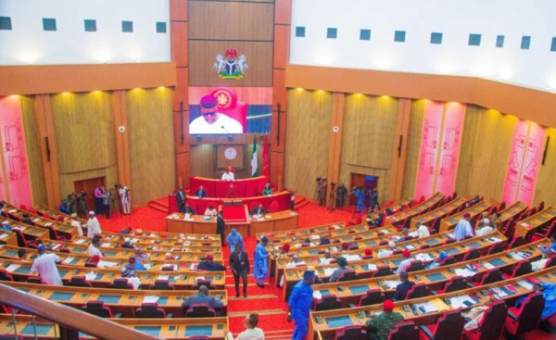

Senate moves to slash $2 billion rice import bill

Nigeria may soon reduce its $2 billion annual rice import bill as Senate Committee on Agricultural Production, Services, and Rural Development advanced deliberations on the Rice Council Development Bill, a proposal to transform the sector and achieve food self-sufficiency. Sponsored by Senator Adamu Aliero, the bill seeks to establish Rice Development Council of Nigeria, to coordinate research, regulate production standards, support farmers, and promote innovations across the rice value chain. Experts say the initiative could make Nigeria Africa’s rice powerhouse, create jobs, and strengthen food security. Speaking at a public hearing on the bill with the Cassava Inclusion and Flour Production Bill and National Food Reserve Agency Bill, Senate President, Godswill Akpabio, represented by Senator Mohammed Monguno, said the measures align with President Bola Tinubu’s Renewed Hope Agenda for agricultural and economic transformation. “The bill represents our economic firepower, poised to create millions of jobs, reduce foreign exchange spending on importation, and make Nigeria Africa’s rice powerhouse. By passing this bill, we will drive research, innovation, and value chain development, ensuring our children inherit a prosperous future,” he said. He added that the three agricultural bills can reshape Nigeria’s food system. While the cassava inclusion bill would stimulate agro-industrial growth and employment, food reserve agency bill would provide a safety net against shortages caused by climate change and global disruptions. Committee Chair, Salihu Mustapha said rice is a staple on every table but lamented inefficiencies in the sector despite capacity to produce over seven million metric tonnes annually. “This bill heralds a dedicated council to orchestrate research, extension services, and value chain innovations, from flood-resistant seeds to modern milling technologies. “It promises to slash our $2 billion import dependence, ignite agro-industrial hubs in North and South, and elevate our farmers from subsistence to commercial stardom.” Mustapha also noted that the council would ensure inclusivity by engaging women and youth in agribusiness. “It is a blueprint for turning paddy fields into prosperity engines and positioning Nigeria as Africa’s rice powerhouse,” he added. He however called for collective commitment among all stakeholders, government, private sector, and local farmers to ensure the bill’s success. The Rice Millers Association of Nigeria (RIMAN) backed the proposal, describing it as a timely intervention that could unlock Nigeria’s full potential in rice production. He emphasised that rice is both a food and an economic staple. “Rice is not just a meal on the table; it is a political and economic staple. It plays a role in palliatives for distressed communities, contributes to national GDP, and provides livelihoods for millions.” RIMAN proposed key amendments, including the inclusion of financial institutions like NIRSAL, Bank of Agriculture (BOA), Bank of Industry (BOI), NAIC, and the National Agricultural Development Fund (NADF) on the Council’s governing board, replacing the Central Bank of Nigeria, which no longer funds agricultural development directly. The association also recommended six zonal offices to enhance regional program delivery and seven technical committees for areas such as research, quality control, marketing, rice fortification, and gender equity. Dama aligned the initiative with the National Rice Development Strategy II (2020–2030) and urged the conversion of the existing Rice Desk in the Federal Ministry of Agriculture and Food Security into a full-fledged council for stronger coordination. The Women Farmers Advancement Network (WOFAN), also reiterated its support for the proposed Rice Council Development Bill, describing it as a game-changer that will generate millions of job opportunities for women and youth across the rice value chain. Speaking on behalf of the organisation, Hajia Maryam Lawal urged the Senate to ensure the bill’s swift passage, noting that it would not only strengthen the rice industry but also enhance national food security. Hajia Lawal recalled that WOFAN had been actively involved in developing the bill since 2020, working alongside key stakeholders including CARF, RIMAN, and RIPAIN. “WOFAN worked with CARF, RIMAN, RIPAIN, and other stakeholders on the Rice Council Bill from 2020 to 2023 when it was passed by the 9th Senate. However, the President’s assent was delayed until the bill lapsed and had to be re-presented in 2024. We are therefore confident that the 10th Senate will pass it again, and this time around, it will be signed into law accordingly,” she said. She emphasised that the establishment of the Rice Council would help drive inclusive growth by empowering women and youth to take on active roles in agribusiness and value chain development.

Rice Council Development Bill to slash $2bn import bill — Senate Committee

Nigeria may soon cut down its $2 billion annual rice import bill as the Senate Committee on Agricultural Production, Services, and Rural Development advanced deliberations on the proposed Rice Council Development Bill, aimed at transforming the nation’s rice industry and driving food self-sufficiency. The bill, sponsored by Senator Adamu Aliero, seeks to establish the Rice Development Council of Nigeria, which would coordinate research, regulate production standards, support farmers, and promote innovations across the rice value chain. As part of activities marking the International Day of Rural Women and World Food Day, the Women Farmers Advancement Network (WOFAN) has called on women across Nigeria’s rural communities to embrace modern agriculture as a pathway to self-reliance and national food security. Speaking on Thursday during a joint commemoration organized by WOFAN members in Bagauda, Bebeji Local Government Area of Kano State, the Executive Director of WOFAN, Dr. Salamatu Garba, represented by Abdul Rashid Abdul Aziz, Finance Manager of the WOFAN-ICON2 Project, urged rural women to take advantage of WOFAN’s agricultural initiatives implemented in partnership with the Mastercard Foundation. “My call to rural women is simple: embrace WOFAN and the modern techniques we are teaching. Become independent and contribute meaningfully to your family and your community,” he said. Stakeholders say the Council could turn Nigeria into Africa’s rice powerhouse, create millions of jobs, and strengthen national food security. Speaking at the public hearing on the bill and two others, the Cassava Inclusion and Flour Production Bill and the National Food Reserve Agency Bill, Senate President Godswill Akpabio, represented by Senator Mohammed Monguno, said the initiatives align with President Bola Tinubu’s Renewed Hope Agenda for agricultural and economic transformation. “The Rice Development Council of Nigeria Bill represents our economic firepower, poised to create millions of jobs, reduce foreign exchange spending on importation, and make Nigeria Africa’s rice powerhouse. “By passing this bill, we will drive research, innovation, and value chain development, ensuring our children inherit a prosperous future,” Akpabio said. Akpabio emphasised that the three agricultural bills under consideration have the potential to reshape Nigeria’s food system. The cassava inclusion bill, he said, would create employment opportunities and stimulate agro-industrial growth, while the food reserve agency bill would serve as a critical buffer against food shortages caused by climate change, insecurity, and global economic disruptions. Chairman of the Senate Committee, Senator Salihu Mustapha, described rice as the staple that graces nearly every Nigerian table, yet lamented that the sector remains beset by inefficiencies despite the country’s capacity to produce more than seven million metric tonnes annually. “This bill heralds the birth of a dedicated council to orchestrate research, extension services, and value chain innovations, from flood-resistant seeds to modern milling technologies,” Mustapha said. “It promises to slash our $2 billion import dependence, ignite agro-industrial hubs across the North and South, and elevate our farmers from subsistence to commercial stardom”, he noted. Mustapha added that the Rice Council would foster inclusivity by ensuring the active participation of women and youth in agribusiness. “In essence,” he said, “it is a blueprint for turning paddy fields into prosperity engines and positioning Nigeria as Africa’s rice powerhouse.” The proposal received strong backing from industry stakeholders, including the Rice Millers Association of Nigeria (RIMAN), whose National Chairman, Peter Dama, called the bill a “timely intervention” that could unlock Nigeria’s untapped potential in rice production. Dama, in a detailed presentation, said establishing the Rice Council would help address systemic challenges across the sector, from inadequate irrigation and insecurity in farmlands to price instability and lack of mechanisation. He recommended a holistic review of the production system backed by large-scale government and private sector investments in irrigation infrastructure, input subsidies, mechanisation, and market regulation to prevent exploitation during scarcity. “There should be deliberate promotion of climate-smart agricultural production innovations, including research for high-yield resilient seeds and renewable energy to power irrigation,” Dama added. He stressed that rice’s global importance, as both a food staple and economic commodity, makes it imperative for Nigeria to prioritise the sector. “Rice is not just a meal on the table; it is a political and economic staple. It plays a role in palliatives for distressed communities, contributes to national GDP, and provides livelihoods for millions”, he said. Dama outlined multiple advantages that would flow from the bill’s passage, including increased food security, economic growth, support for farmers, improved quality standards, reduced import dependence, and enhanced competitiveness in both local and international markets. “A Rice Council will bring about coordination and collaboration in the absence of a properly structured rallying point for rice value chain actors in Nigeria,” he said. “It will encourage private sector engagement, facilitate training for farmers and millers, and enhance fortification programs to address micronutrient deficiencies” he noted. RIMAN also proposed several amendments to strengthen the bill. One key recommendation is the inclusion of financial institutions such as NIRSAL, Bank of Agriculture (BOA), Bank of Industry (BOI), National Agricultural Insurance Corporation (NAIC), and the National Agricultural Development Fund (NADF) on the Rice Council’s governing board. “Since the Central Bank of Nigeria has moved out of agricultural development financing, it should be removed from the board, and these specialised financial institutions should be included to ensure sustainable funding,” Dama said. The association further recommended the creation of six geopolitical zonal offices for the Rice Council to enhance regional representation, program implementation, and stakeholder engagement. “Decentralised offices will facilitate the council’s ability to implement programs, monitor progress, and respond to regional issues promptly. It will also foster collaboration, improve data collection, and ensure policies are tailored to the unique needs of each zone”, Dama noted. RIMAN proposed the establishment of seven technical committees within the Council, including units for Industry Development, Research and Development, Quality Control, Marketing and Trade, Rice Fortification, Donor Alignment and Finance, and Women, Youth, and Gender Equity. These, the group said, will ensure inclusivity and operational efficiency. Dama also aligned the bill with the National Rice Development Strategy II (NRDS II 2020–2030), which provides a roadmap for upgrading the rice sector. He…