Stakeholders rally support for passage of agricultural extension revitalisation bill

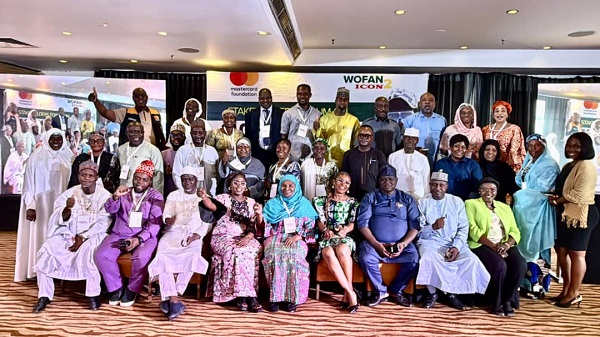
Key stakeholders in Nigeria’s agricultural sector have renewed calls for the swift passage of the Agricultural Extension Service Delivery Revitalisation Bill, describing it as a crucial policy instrument for modernising the country’s agricultural system, improving productivity, and strengthening food security. The appeal was made during a one-day Stakeholders’ Advocacy Planning Meeting on the Agricultural Extension Service Delivery Revitalisation Bill held in Abuja. Country Projects Director for the WOFAN ICON2 Project and Founder of the Women Farmers Advancement Network (WOFAN), Dr. Salamatu Garba, said the meeting was convened to bridge the gaps identified during the formulation of the bill and ensure wider stakeholder participation. “We realised there isn’t enough awareness on the procedure of getting a bill passed and ensuring it involves every stakeholder. “This meeting brings together the legislative body, past executives, farmers, the media, and other sectors so that we are all on the same page as the bill nears finalisation.” She noted that once enacted, the bill would address critical challenges facing farmers, including the shortage of qualified extension workers and the weak linkages between farmers and researchers. “At the moment, there’s a huge gap between extension workers and farmers. Without proper advisory support, farmers cannot adapt to climate change or meet national food security needs,” she added. Garba explained that the proposed legislation, derived from Nigeria’s agricultural policy, would help strengthen services and improve working conditions for extension agents and research institutions. Also speaking, Hajia Maimuna Lawal, WOFAN’s Director of Strategies, Innovation and Sustainability, said the bill seeks to modernise extension services through digital innovation, gender balance, and inclusivity. “Only 15 percent of Nigeria’s extension workers are women, yet 70 percent of the agricultural labour force is provided by women,” Lawal noted. “We’re using this opportunity to drive gender and youth inclusion into the bill. When passed, we will change the narrative from the groundnut pyramids of the 1960s to new pyramids of rice, maize, and ginger, powered by modernised extension services.” Director of Extension, Federal Ministry of Agriculture and Food Security, Olawumi Ayodele, disclosed that the ministry is collaborating with WOFAN to ensure smooth legislative passage of the bill. “Policies without legal backing often face challenges in implementation. Legalising parts of the national extension policy will ensure that all stakeholders adhere to clear timelines and responsibilities,” he said. The Executive Director of the National Agricultural Extension and Research Liaison Services (NAERLS), Prof. Sani Ahmed, expressed concern over Nigeria’s low agricultural funding despite its commitments under the Maputo (2003) and Malabo (2014) Declarations, which recommend allocating at least 10 percent of national budgets to agriculture. “In over two decades, Nigeria met that target only once,” he said. “Recent surveys show one extension agent serves an average of 6,466 farm families, compared to the FAO-recommended ratio of one agent to 500–800 families. In some states, the ratio is as high as one to 24,000.” On his part, Prof. Ahmad Sani Miko attributed the weakness of the agricultural extension system to inadequate funding and poor state-level commitment following the withdrawal of World Bank support in the early 1990s. “With the passage of this bill, funding, staffing, and extension capacity will improve at both national and sub-national levels,” he said. Former Minister of Environment and CEO of Global Support for Clean Energy, Hon. Halima Alao, commended WOFAN for its sustained advocacy for agricultural empowerment, innovation, and inclusivity. “The bill presents a strategic opportunity to standardise and modernise extension services across Nigeria in line with global best practices,” Alao stated. “It will strengthen linkages between research and farmers, promote ICT-driven advisory services, and increase the participation of women and youth.” She stressed the urgency of expanding and professionalising the extension workforce, noting that with only about 7,000 public extension agents serving over 40 million farm households, the service coverage deficit exceeds 98 percent. “Strengthening extension services is essential to bridge knowledge gaps, boost productivity, and enhance national food security,” she added.
Stakeholders rally support to bridge missing link, fast track passage of agricultural extension revitalisation bill

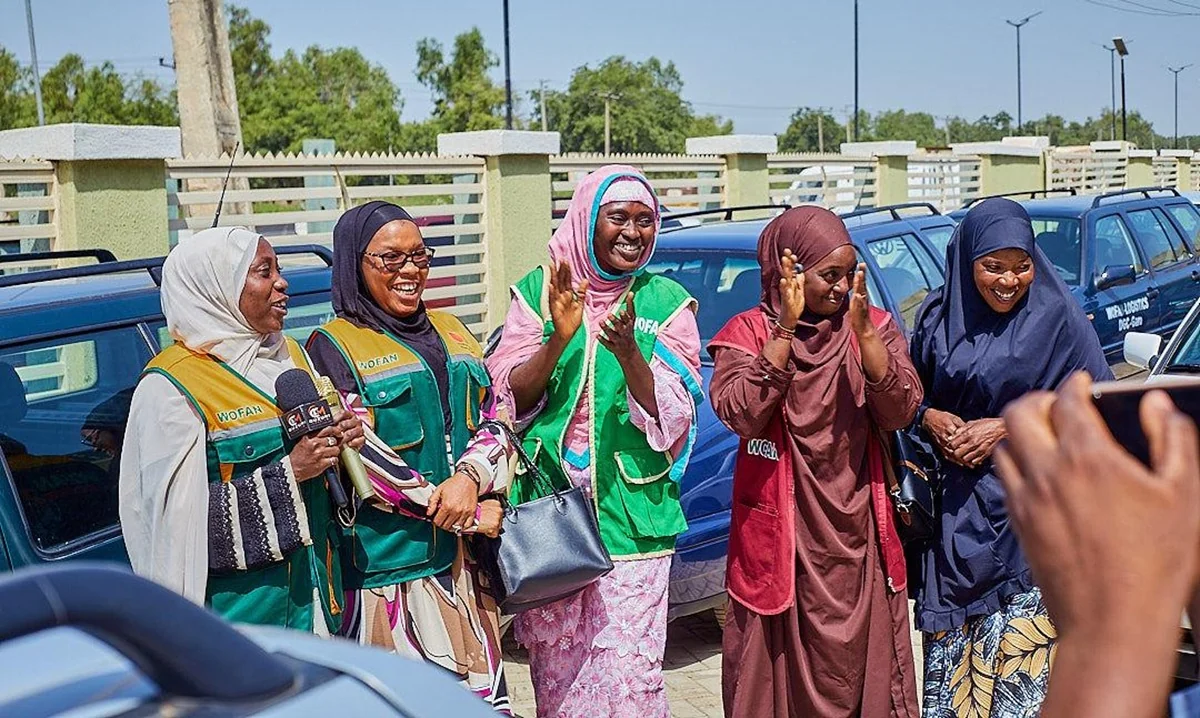
Agriculture stakeholders on Thursday converged in Abuja, brainstorming on efforts to ensure the passage of the Agricultural Extension Service Delivery Revatilaization Bill before the National Assembly. The one-day advocacy planning meeting held in Abuja was organised by the promoter of the Bill, WOFAN, through the WOFAN-ICON2 Project supported by the Mastercard Foundation. Speaking at the event, Country Director for the WOFAN ICON2 Project and Founder of Women Farmers Advancement Network (WOFAN), Dr. Salamatu Garba said the meeting aimed at addressing gaps observed in carrying all stakeholders along to ensure speedy passage of the bill so as to support and develop the agricultural sector. Dr Garba said it was identified that there was a paucity of awareness on the procedure towards the passage of the bill, which has passed first reading at the National Assembly. ‘’We realised that we need to bring together the legislative body, the farmers, researchers, policy makers, media, CSOs and others so that all of us will be on one page and we would all be concerned with the success of the bill, ‘’Salamatu Garba said. “At the moment, there’s a huge gap between extension workers and farmers. Without proper advisory support, farmers cannot adapt to climate change or meet national food security needs,” she said. Furthermore, she said the bill, derived from Nigeria’s agricultural policy, will help improve services and create better conditions for extension workers and research institutions. Speaking on the importance of the bill, Dr Salamatu Garba, who is also a UN Peace Ambassador, said the pains of the farmers will be reduced when the gap in the numbers of extension workers is addressed and the advice they give to support farmers. ‘’If farmers don’t get the appropriate advice, how can we adapt to climatic changes, how do we meet the food security needs of the country? So with the passage of this bill, it will lead to improving the condition of services of extension workers and research institutes, which means that better services will be provided to farmers and they will be able to use the right quantities of inputs and seedlings.’’ In a remark, a Former Minister of Environment, Housing and Urban Development, Arc. Halima Tayo Alao commended WOFAN for its consistent commitment to agricultural empowerment, innovation, and inclusivity. Arc. Halima, who is currently the Chief Executive Officer of Global Support for Clean Energy, said the Agricultural Extension Service Delivery Revatilaization Bill presents a strategic opportunity to standaize and modernise extension services across Nigeria in line with global best practices. ‘’To fully realise this vision, stakeholders must work collaboratively to ensure the bill strengthens linkages among research institutions, extension services, encourages greater participation of women and youth in agriculture, integrates ICT and digital extension tools for wider and timely knowledge dissemination and ensures stable financing.’’ She underscored the urgency of expanding and professionalising the extension workforce, noting that with only about 7,000 public extension agents serving over 40 million farm households, the service coverage deficit exceeds 98 percent. “Strengthening extension services is essential to bridge knowledge gaps, boost productivity, and enhance national food security,” she said. Also speaking, Director of Strategies, Innovation and Sustainability at WOFAN, Hajia Maimuna Lawal, said the proposed legislation aims to modernise extension services through digital innovation and inclusivity. “Only 15 percent of Nigeria’s extension workers are women, yet 70 percent of the agricultural labor force is provided by women,” Lawal noted. “We’re using this opportunity to drive gender and youth inclusion into the bill. When passed, we will change the narrative from the groundnut pyramids of the 1960s to new pyramids of rice, maize, and ginger, powered by modernised extension services.” On his part, Director of Extension, Federal Ministry of Agriculture and Food Security, Dr Olawumi Ayodele,  said the ministry is collaborating with WOFAN to ensure seamless legislative passage. “Policies without legal backing often face challenges in implementation. Legalizing parts of the national extension policy will ensure that all stakeholders adhere to clear timelines and responsibilities.” The Executive Director of the National Agricultural Extension and Research Liaison Services (NAERLS), Prof. Sani Ahmed, decried Nigeria’s poor funding of agriculture despite commitments under the Maputo (2003) and Malabo (2014) Declarations, which recommend at least 10 percent of national budgets for agriculture. “In over two decades, Nigeria met that target only once,” he said. “Recent surveys show one extension agent serves an average of 6,466 farm families, compared to the FAO-recommended ratio of one agent to 500–800 families. In some states, the ratio is as high as one to 24,000.” Prof Sani blamed the poor agricultural system on inadequate funding and poor state-level commitment following the withdrawal of World Bank support in the early 1990s. “With the passage of this bill, funding, staffing, and extension capacity will improve at both national and sub-national levels,” he added.