UN-POLAC appoints WOFAN Founder Salamatu Garba National Technical, Partnership Adviser
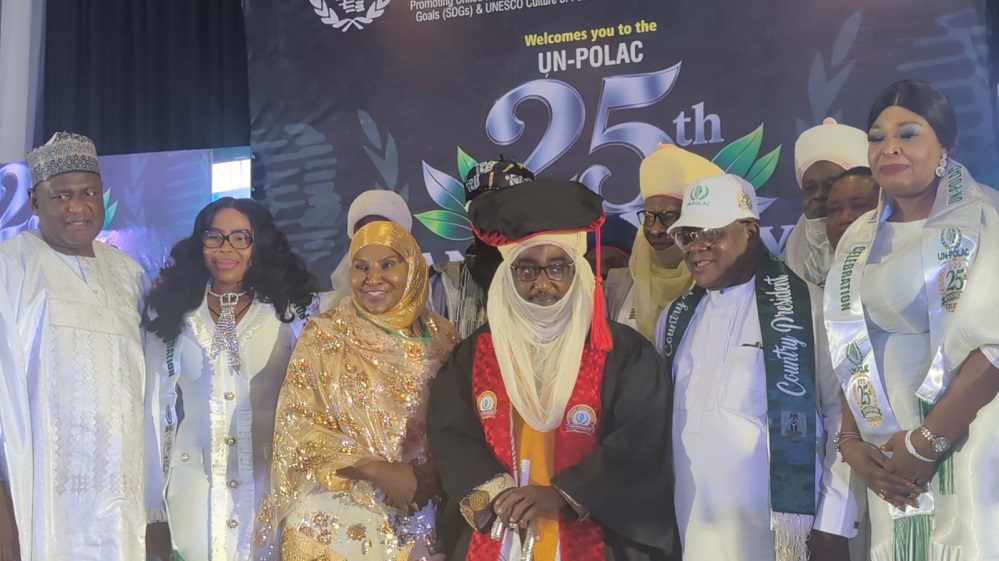
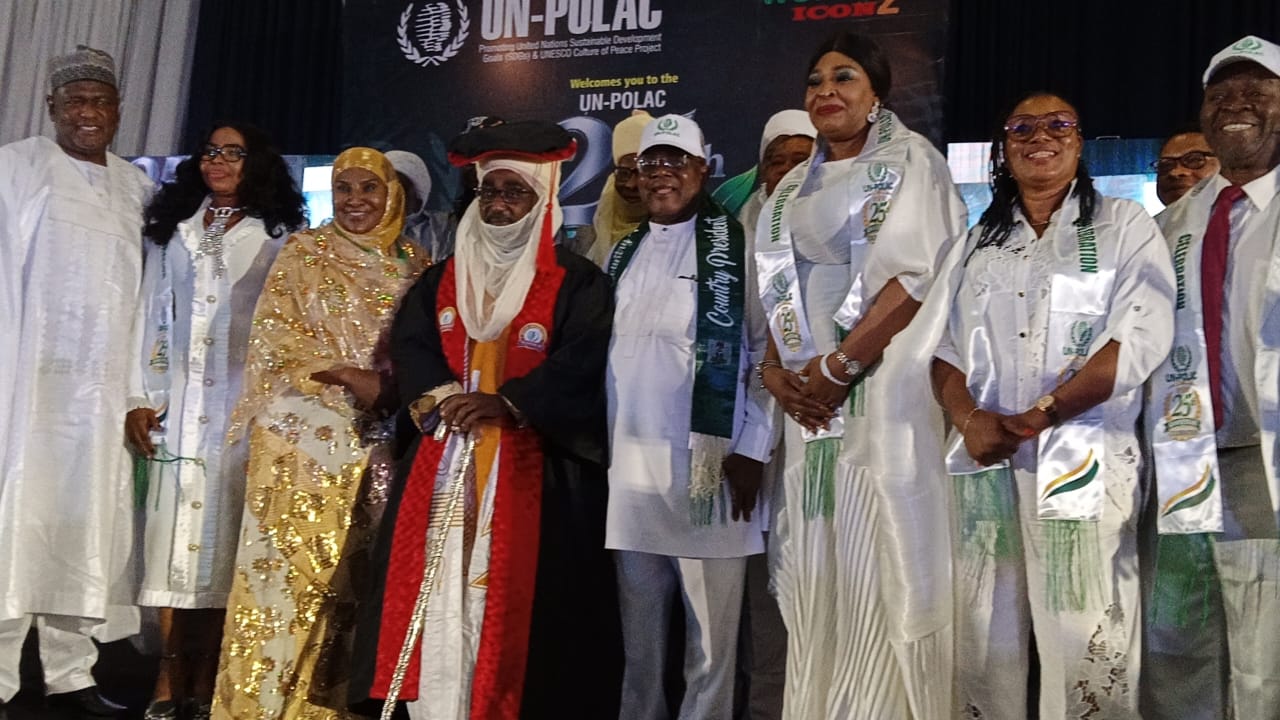
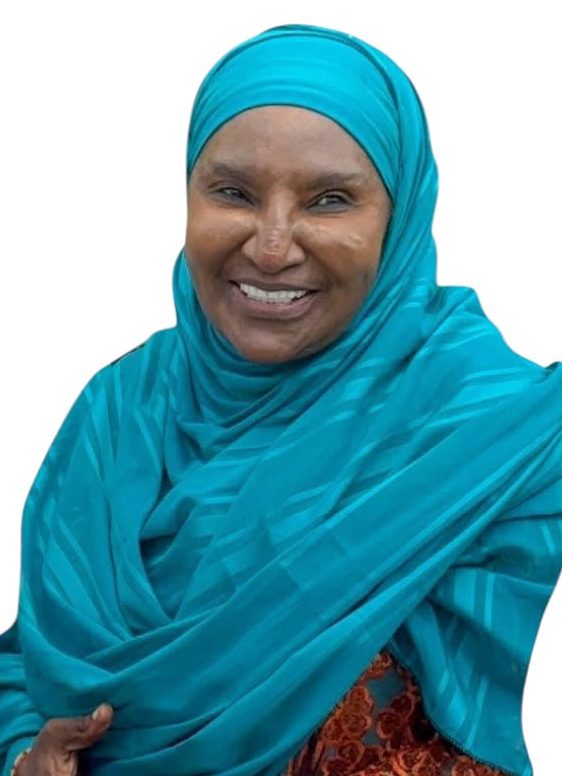
The Founder and Global Advocate of the Women Farmers Advancement Network (WOFAN), Dr. Salamatu Garba, has been appointed the First National Technical and Partnership Adviser of the United Nations Positive Livelihood Award Centre (UN-POLAC) Foundation, Nigeria. In a letter signed by the Country President, UN-POLAC Foundation Ambassador Peter Ohagwa said the inauguration into the distinguished office will take place on Wednesday, November 25, 2026, in Abuja. According to the letter, the appointment recognises her longstanding contributions to agricultural transformation, women’s economic empowerment, inclusive development and sustainable livelihoods through community-based interventions. The Board of Trustees and Management of UN-POLAC Foundation congratulated her on the appointment and expressed confidence in her contribution to strengthening partnerships and advancing peace across Nigeria. The UN-POLAC Foundation was established in 2001 in furtherance of the ideals of the United Nations and UNESCO, particularly the promotion of a Culture of Peace and Non-Violence, as reflected in the United Nations General Assembly’s declaration of 2001-2010 as the International Decade for a Culture of Peace and Non-Violence for the Children of the World. SolaceBase reports that through WOFAN, Dr Garba has championed practical development models that align with the United Nations Sustainable Development Goals (SDGs), with interventions spanning Kano, Jigawa, Kaduna, Bauchi, Gombe, Adamawa, Benue, Nasarawa and the Federal Capital Territory. In Kano State, WOFAN has established agricultural marketing hubs in Tudun Wada, Kura, Karfi and Chiromawa, providing women farmers and processors with access to markets, processing facilities and opportunities to increase their earnings. The organisation has also supported farmers with tractors, harvesters, improved seeds and fertilisers, while empowering persons with disabilities through modified tricycles, business grants and vocational opportunities. In Jigawa, WOFAN has supported women-led agricultural cooperatives, rice processing centres, financial inclusion and mechanised farming. Nearly 10,000 farmers have been integrated into its financial inclusion programme, while farmers’ collective savings have helped them acquire agricultural machinery through a matching-support model. In the Federal Capital Territory, WOFAN has supported rural healthcare through its solar-powered mobile medical initiative, the Lab-ulance, in Gwarinpa village, alongside health insurance support for 450 women. It has also provided agricultural inputs to young farmers and supported women, persons with disabilities and small-scale entrepreneurs with opportunities to establish sustainable businesses. Across Kano, Kaduna, Jigawa, Bauchi, Gombe and the FCT, WOFAN has supported young agricultural produce loaders and transporters with cargo tricycles, while persons with disabilities have received mobility support and opportunities to participate in productive economic activities. Its interventions have also included hearing assessments and hearing-aid support for young people with hearing impairments. The organisation has further facilitated financial inclusion through more than 90,000 bank accounts and disbursed over ₦207.58 million to 147 women’s cooperative clusters across Kano, Kaduna, Jigawa, Bauchi, Gombe and the FCT. These interventions demonstrate practical approaches to achieving the SDGs on poverty reduction, food security, healthcare, gender equality, decent work, disability inclusion and climate action. A major strength of WOFAN’s model is its emphasis on community ownership, cooperative savings, revolving financing and partnerships. These approaches offer opportunities for Nigerian states to replicate and scale successful interventions rather than depend solely on short-term assistance. Dr Garba’s appointment therefore presents an opportunity to bring decades of grassroots development experience into national peacebuilding and partnership initiatives, connecting sustainable livelihoods, economic inclusion and community development.