IWD: WOFAN empowers 54,000 women across nine states with rice distribution initiative

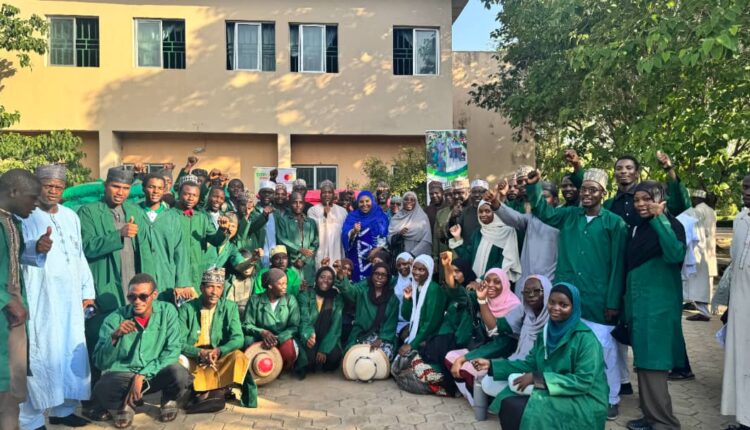
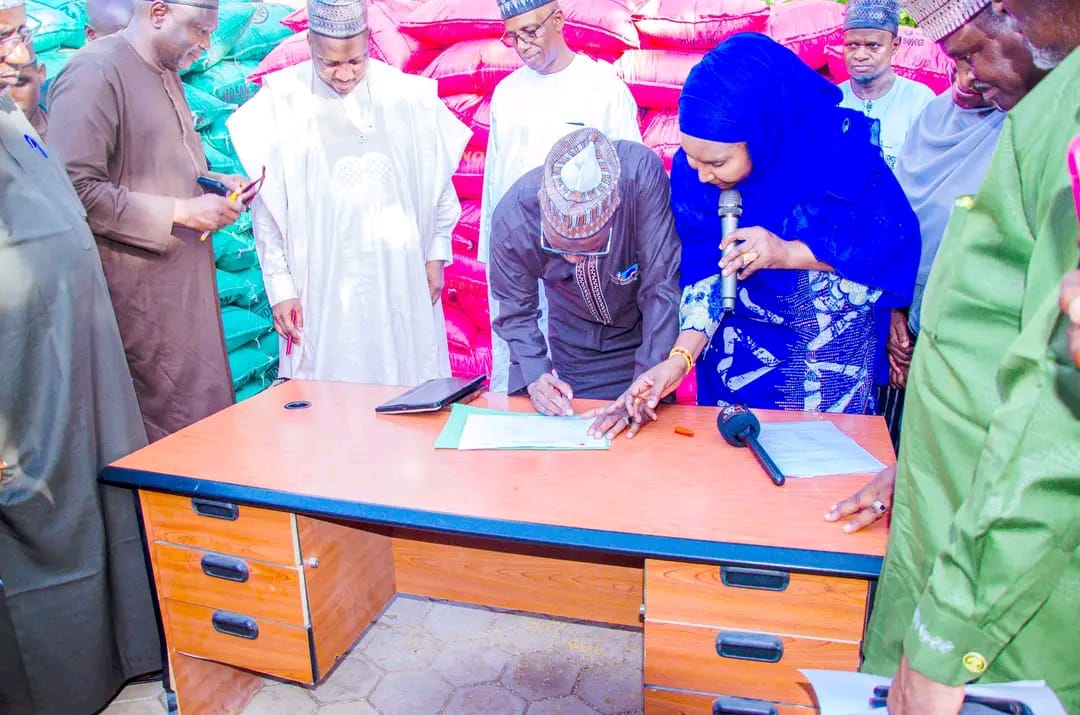
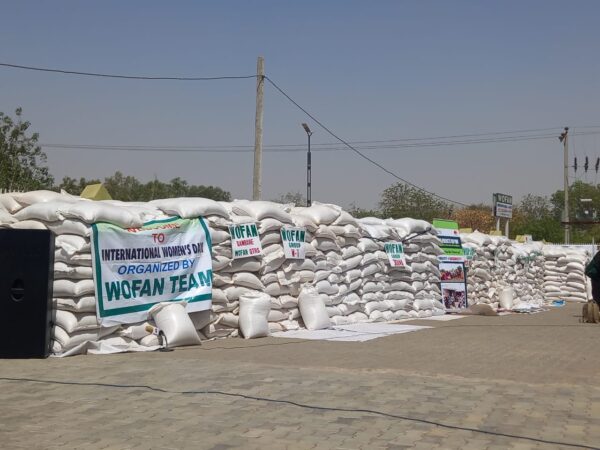
As part of its commitment to women’s empowerment, the Women Farmers Advancement Network ( WOFAN) has launched a transformative initiative to support 54,000 underserved women in agro-marketing. This effort, rolled out under its Mini Project Initiative to mark International Women’s Day (IWD) 2025, aims to boost family incomes and strengthen financial inclusion. The initiative, which prioritizes widows and street food vendors, addresses key gaps in the agricultural value chain by providing essential resources and business opportunities. Speaking at the launch in Kano, Dr. Salamatu Garba, Country Director of WOFAN-ICON2 Project, emphasized the need for action beyond advocacy. “We must move beyond discussions and take meaningful steps to uplift women by equipping them with confidence, opportunities, and economic independence,” she stated. At the core of this initiative is the distribution of 54,000 bags of  rice to small-scale female traders who typically sell less than half a portion of rice daily.   Dr. Garba explained that the distribution would be executed in three phases to ensure effective reach across the nine states targeted by WOFAN. “By providing this support, WOFAN aims to expand their businesses, helping them diversify and secure stable income streams,” she noted. This initiative aligns with the Mastercard Foundation’s goal of creating 10 million dignified jobs in Africa by 2030, including opportunities for one million Nigerian youths aged 18–35. Beyond rice distribution, WOFAN is integrating these traders into the broader rice value chain, linking producers, processors, aggregators, and mini agro-marketers through its logistics network. “We are creating a sustainable agricultural cycle where farmers receive inputs, cultivate their crops, and women at our processing centres refine the rice using modern equipment. The processed rice is then redistributed to smallholder traders, ensuring economic growth at every level,” Dr. Garba explained. A critical aspect of WOFAN’s approach is financial inclusion, a longstanding barrier for many women entrepreneurs. To address this, WOFAN has facilitated the opening of 90,000 bank accounts for previously unbanked women in partnership with UBA and other financial institutions. This enables them to access ATM cards, cashless transactions, and digital banking tools, empowering them to conduct business more efficiently. “Introducing POS systems in marketplaces ensures that these women can receive payments seamlessly, enhancing financial security and ease of doing business,” she added. The launch event was attended by traditional leaders, community elders, and partner organizations, who praised WOFAN’s efforts. Professor Sani Miko, Chair of WOFAN’s Technical Advisory Board, highlighted the initiative’s broader impact. WOFAN is working towards reaching 675,000 farmers and processors in the next five years. This initiative ensures that small-scale marketers—who are crucial in the agricultural value chain—are not left behind,” he said. He also commended Dr. Garba’s dedication to supporting underserved communities, urging beneficiaries to make the most of the opportunity and extend help to others. Other beneficiaries, including Hajiya Khadija Dogon Bauchi, Bala Abdullahi (Chairman, WOFAN PWDs Group, Kano), and Abdulmajid Yahuza Sulaiman (Chairman, Kano Logistics Loaders under WOFAN), expressed gratitude for WOFAN’s unwavering support. “Dr. Garba’s initiatives have given us hope and opportunities we never imagined,” Bala Abdullahi shared.

WOFAN empowers 54,000 women in agro-marketing initiative

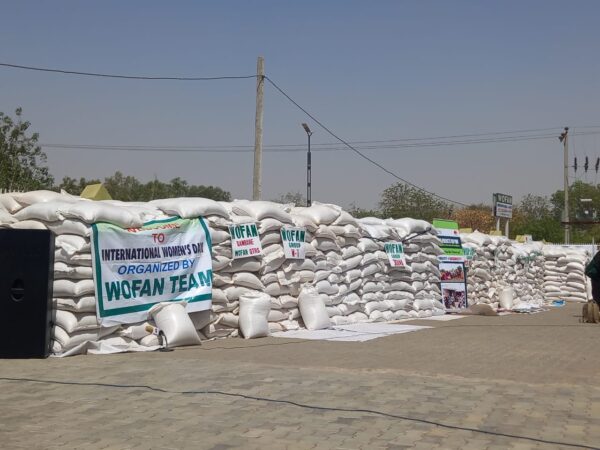
As part of its commitment to women’s economic empowerment, the Women Farmers Advancement Network (WOFAN) marked the 2025 International Women’s Day (IWD) with a large-scale initiative aimed at transforming the livelihoods of 54,000 underserved women in agro-produce marketing across nine states. The initiative, which supports widows and street food vendors, seeks to bridge gaps in the agricultural value chain by providing essential resources and fostering financial inclusion. Speaking at the launch event in Kano, Dr. Salamatu Garba, Country Director of the WOFAN-ICON2 Project, emphasized the need for tangible actions to uplift women. “We must go beyond discussions and take meaningful steps to provide women with confidence, opportunities, and economic independence,” she said. At the core of the initiative is the distribution of 54,000 bags of rice to small-scale female traders who typically sell less than half a portion of rice daily. Dr. Garba noted that the distribution will take place in three phases to ensure all targeted beneficiaries receive their share. The program aligns with the Mastercard Foundation’s goal of creating 10 million dignified jobs in Africa by 2030, including one million for Nigerian youth aged 18-35. Beyond rice distribution, WOFAN is integrating these traders into the rice value chain by connecting producers, processors, aggregators, and marketers through its mini-logistics riders initiative. “This initiative is not just about food aid; it’s about embedding women into a sustainable agricultural cycle that strengthens their businesses and boosts economic independence,” Dr. Garba explained.   A major component of WOFAN’s strategy is integrating women into the formal banking system. In partnership with UBA and other financial institutions, WOFAN has facilitated the opening of 90,000 bank accounts for underprivileged women, providing them with ATM cards and digital payment solutions. Additionally, the introduction of POS systems in marketplaces ensures that female traders can conduct seamless cashless transactions. “By equipping women with negotiation, marketing, and digital sales skills, we are preparing them to navigate modern financial landscapes and expand their businesses,” Dr. Garba added. Dr. Garba highlighted WOFAN’s efforts in creating a closed-loop agricultural system. Farmers receive essential inputs such as fertilizer and seeds, cultivate and harvest crops, and women at WOFAN’s processing centers refine the rice using modern equipment. The processed rice is then redistributed to smallholder farmers and traders to stimulate business growth. “This initiative goes beyond aid—it is a sustainable model that strengthens every segment of the agricultural process,” she stated. The event was attended by traditional leaders, community representatives, and stakeholders who commended WOFAN’s impact. Professor Sani Miko, Chair of WOFAN’s Technical Advisory Board, emphasized the importance of including marketers in the agricultural value chain. “WOFAN aims to reach 675,000 farmers and processors in the next five years. However, we have seen that marketers—who are a crucial link in the value chain—are often neglected. This initiative ensures they are empowered,” he said. Community leaders and beneficiaries expressed their gratitude for the support provided by WOFAN, with many pledging to extend assistance to others.

IWD: WOFAN empowers 54,000 women in agro- produce marketing across nine states with rice distribution initiative to boost family income

The Women Farmers Advancement Network (WOFAN) has marked 2025 International Women’s Day (IWD) with a groundbreaking initiative aimed at transforming the economic prospects of 54,000 underserved women in agro-marketing under its Mini project initiative to mark the 2025 International Women’s Day (IWD). This effort, which includes widows and street food vendors, seeks to bridge the gap in the agricultural value chain by providing critical resources and financial inclusion opportunities. Speaking at the event on Saturday in Kano, the Country Director WOFAN- ICON2 Project, Dr. Salamatu Garba, emphasized the importance of moving beyond discussions to tangible action. Dr Salamatu reiterates that the total rice value will be carried out in three separate batches to ensure it reaches all the targeted food vendors and agro-marketers. “ By providing this support, WOFAN aims to enhance their business potential, allowing them to expand and diversify their income streams. “The initiative aligns with the Mastercard Foundation’s mission to create 10 million dignified job opportunities in Africa by 2030, including opportunities for one million Nigerian youths aged between  18-35,” Dr. Garba noted. Beyond rice distribution, WOFAN is pioneering a holistic approach to women’s empowerment by integrating these traders into entire rice value chain structure and make a cycle of marketing linkages between the producers, processors, aggregates, the mini- agro marketers as well as the WOFAN mini logistic riders initiative, thereby magnifying a sustainable agricultural cycle. The occasion was graced by traditional leaders, group representatives, collaborators and Elders who all congratulated and advised the recipients of the inking grant on putting into practice the skills and knowledge learnt from their training with WOFAN and the financial inclusion opportunity WOFAN laid down by linking them to financial institutions A critical component of WOFAN’s initiative is its newly launched mini logistics project, designed to help farmers transport their produce efficiently to the market. Dr. Garba highlighted how WOFAN has successfully created a closed-loop system: this should be another news story to give it relevance. “Farmers received essential agricultural inputs such as fertilizer and seeds. They cultivated and harvested their crops. Women at WOFAN’s processing centers refined the rice using modern equipment. The processed rice is now being redistributed to smallholder farmers and traders to stimulate business growth.” By addressing gaps in agricultural logistics and empowering women to take ownership of the value chain, WOFAN is demonstrating what accelerated action truly looks like. “This initiative goes beyond aid—it is a sustainable model that strengthens every segment of the agricultural process,” Dr. Garba stated. She noted that beneficiaries could reinvest their earnings into other business ventures, such as purchasing eggs, grinding mills, or expanding into vegetable sales. Recognizing that financial exclusion has long been a barrier for women in business, WOFAN has taken significant steps to integrate them into the formal banking system. Through targeted training in negotiation, marketing, and digital sales, WOFAN is equipping women with the skills needed to navigate modern financial landscapes. “In partnership with UBA and other financial institutions, we have facilitated the opening of 90,000 bank accounts for underprivileged women, enabling them to access ATM cards and engage in seamless cashless transactions,” Dr. Garba revealed. She added that the introduction of POS systems in marketplaces further ensures that these women can receive payments efficiently, thereby enhancing financial security and ease of doing business. Dr. Garba underscored that every aspect of WOFAN’s initiative—from agricultural support to financial inclusion—is interconnected. “This is not just about distributing rice; it’s about creating an ecosystem where women can build sustainable livelihoods and gain economic independence,” she concluded. On his part, WOFAN’s Technical Advisory Board Chair, Professor Sani Miko, said, “WOFAN is working to target  675,000 farmers and processors in the next five years; however, it has discovered that the marketers—who are an essential link in the agricultural value chain—are often left out. This initiative ensures they are included and supported.’’ He commended Dr. Garba for her unwavering dedication to supporting the less privileged. He urged beneficiaries to use the holy month of Ramadan as an opportunity to pray for her. “Every time she calls me, the first thing she asks is, ‘Professor, what more can we do to help people?’ That is always our conversation. Finding a woman like her is rare,” he said. He encouraged beneficiaries to extend help to those in need whenever possible. Hajiya Khadija Dogon Bauchi praised Dr. Garba for her tireless commitment to empowering women. “She has been a pillar of support for women like us, ensuring that we have better job opportunities and financial stability. We are truly grateful,” she expressed. Bala Abdullahi, the Chairman of WOFAN’s Persons with Disabilities (PWDs) group in Kano, also expressed his gratitude on behalf of the PWDs. “Dr. Garba’s efforts have given us hope and opportunities that we never imagined. We sincerely pray for her continued good health and success,” he said. Abdulmajid Yahuza Sulaiman, Chairman of Kano Logistics Loaders under WOFAN, vowed that his group would remain committed to supporting others. “The impact WOFAN has had on our lives is beyond words. We are determined to pay it forward by assisting those in need within our communities,” he pledged. With this initiative, WOFAN is not only celebrating International Women’s Day but also setting a precedent for impactful, action-driven empowerment strategies that uplift women across Nigeria.

NiMet, WOFAN Strategize To Mitigate Climate Impact On Farmers

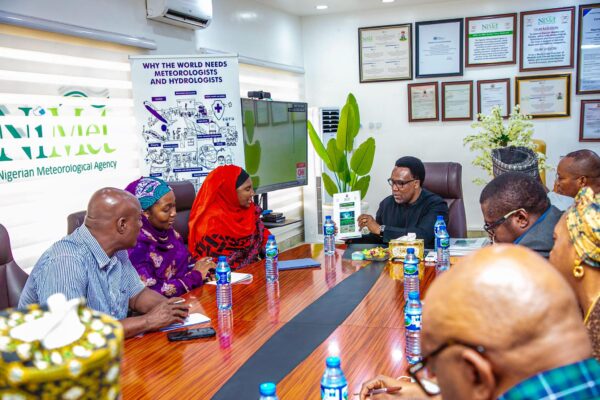
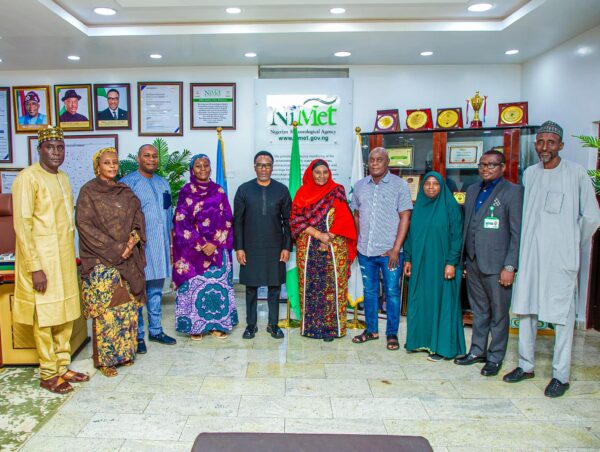
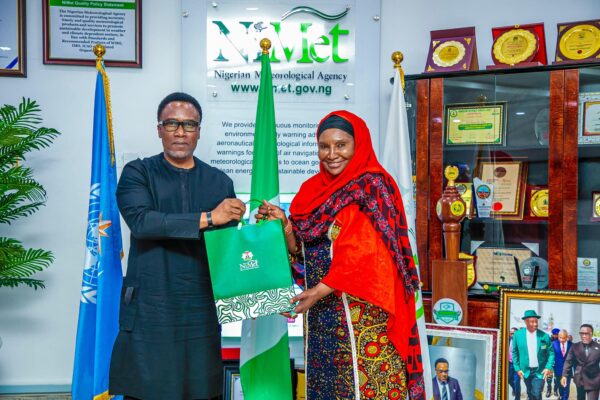
  The Nigerian Meteorological Agency (NiMet), and the Women Farmers Advancement Network (WOFAN), a non-profit organization dedicated to empowering smallholder farmers, particularly women and youth, have discussed strategies to mitigate the impact of climate disasters on Nigerian farmers. At a meeting hosted by the Director General and Chief Executive Officer of NiMet, Prof. Charles Anosike, in his office on Monday, 3rd March 2025, Prof. Anosike extolled the wonderful work that WOFAN is doing. “I commend WOFAN for the amazing work they have done over the years since 1993. With a network of close to 700,000 farmers and their various community-based agricultural projects including training of agricultural extension workers, I consider the partnership between WOFAN and NiMet as one of my most important achievements because of the potential positive impact it would have on agricultural yield in Nigeria”. Continuing, Professor Anosike said that following the public unveiling of NiMet’s Seasonal Climate Prediction in February 2025, partnership with WOFAN is coming at the right time. “We are highly dependent on rain-fed agriculture in Nigeria. Our work at NiMet won’t be complete If our products and information are not passed to the farmers and other end users. With this partnership, we can meet the farmers before the onset of the rains to guide them properly on how to respond, reduce damages, reduce and manage pests, and also reduce illnesses. We would also have the opportunity through interacting with the farmers to receive feedback from them on the impact of our weather information on their yield”. Prof. Anosike concluded. Responding, the founder of WOFAN, Hajia Salamatu Garba praised Prof. Anosike and the NiMet team for their consistency in releasing weather and climate information to the public, saying that WOFAN has always relied on climate information from NiMet in addressing climate-smart related issues. “We have always received NiMet data from other sources but with this partnership, we will have a more direct access”, Hajia Garba said. Both organizations will sign a memorandum of understanding to guide the partnership.

NiMet, WOFAN strategise to reduce climate impact on farmers

The Nigerian Meteorological Agency (NiMet), and the Women Farmers Advancement Network (WOFAN), have discussed strategies to mitigate the impact of climate disasters on Nigerian farmers.  Speaking at a meeting in his office on Monday, the Director General of NiMet, Prof. Charles Anosike while lauding WOFAN’s work, said: “I commend WOFAN for the amazing work they have done over the years since 1993. With a network of close to 700,000 farmers and their various community-based agricultural projects including training of agricultural extension workers, I consider the partnership between WOFAN and NiMet as one of my most important achievements because of the potential positive impact it would have on agricultural yield in Nigeria”.  “We are highly dependent on rain-fed agriculture in Nigeria. Our work at NiMet won’t be complete If our products and information are not passed to the farmers and other end users. With this partnership, we can meet the farmers before the onset of the rains to guide them properly on how to respond, reduce damages, reduce and manage pests, and also reduce illnesses. “We would also have the opportunity through interacting with the farmers to receive feedback from them on the impact of our weather information on their yields”. The founder of WOFAN, Hajia Salamatu Garba commended Prof. Anosike and the NiMet team for their consistency in releasing weather and climate information to the public.She noted that WOFAN has always relied on climate information from NiMet in addressing climate-smart related issues. “We have always received NiMet data from other sources but with this partnership, we will have direct access”.Both organizations are expected to sign a memorandum of understanding to guide the partnership.

WOFAN inaugurates marketing hub in Kano community, empowers 450 PWDs with start-up kits

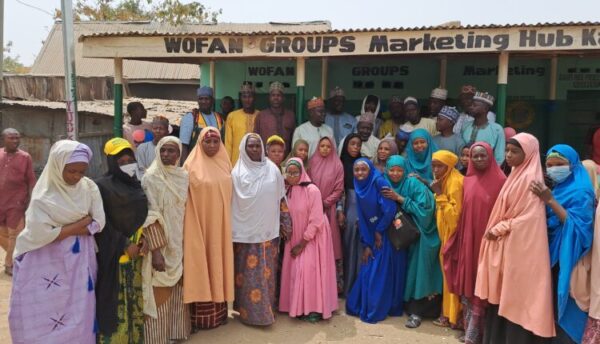
The Women Farmers Advancement Network (WOFAN) has inaugurated a marketing hub for women processors and empowered 450 Persons with Disabilities (PWDs) with start-up kits. SolaceBase reports that this initiative aims to enhance their vocational skills and provide them with disability aids, enabling them to engage in dignified and profitable employment. Speaking at the event on Thursday, the Country Director of the WOFAN-ICON2 Project, Dr. Salamatu Garba, emphasized that the marketing hub would enable women to take control of their marketing processes and apply the negotiation skills they acquired through WOFAN. She highlighted that this initiative would empower women by giving them control over their resources, increasing their profitability, and amplifying their voices on issues that affect them. She added that the initiative aligns with the objectives of the WOFAN-ICON2 Project under the Mastercard Foundation, which seeks to create sustainable employment opportunities for youth, women, and PWDs across ten Nigerian states. which is a five-year program. Represented by WOFAN’s Desk Officer for Kano State, Alhaji Dayyabu Abubakar stressed that the hub not only promotes economic inclusion by providing accessible business infrastructure but also addresses broader community needs. He noted that the Karfi marketing hub is the second of its kind in Kura Local Government Area (LGA), following the establishment of a similar facility in Kura Market. Kura Market, one of the largest ethical markets in Kano, trades over 500 truckloads of grains daily to various destinations within and beyond Nigeria. “With this new hub in Karfi, Kura now boasts of two historic marketing hubs. The facility includes three shops allocated to women processors who are WOFAN members, supporting their businesses,” he explained. He further detailed that the marketing hub consists of three shops: one serving as an office where members can discuss their concerns and business strategies within Karfi Market, while the other two are designated for business operations. The establishment of the marketing hub and its associated facilities underscores WOFAN’s commitment to empowering PWDs, promoting self-reliance, and improving the overall quality of life within the community. The District Head of Karfi, Alhaji Magaji Shehu, represented by Jamilu Magaji, congratulated the beneficiaries, noting that the initiative would not only benefit individuals but also positively impact the entire community. He prayed for divine guidance for the beneficiaries as they expand their business ventures and expressed gratitude to Dr. Salamatu Garba for her unwavering support for vulnerable communities. One of the beneficiaries, Hasiya Usaini, who lives with a disability, expressed her gratitude for the support and assured that she would use the funds wisely. “I am very happy with this capital. I will invest it carefully to ensure it grows,” she said. Another beneficiary, Rakiya Rabi’u, also appreciated the assistance, thanking WOFAN and Dr. Salamatu Garba for their continued support of the people of Kura. Similarly, Sule Shehu Abdullahi acknowledged WOFAN’s efforts in assisting persons with disabilities and expressed his confidence in utilizing the capital effectively. “With WOFAN’s support, I now have the funds to invest and earn a livelihood,” he said.

NiMet And WOFAN Strategize To Mitigate Climate Impact On Farmers

The Nigerian Meteorological Agency (NiMet), and the Women Farmers Advancement Network (WOFAN), a non-profit organization dedicated to empowering smallholder farmers, particularly women and youth, have discussed strategies to mitigate the impact of climate disasters on Nigerian farmers.At a meeting hosted by the Director General and Chief Executive Officer of NiMet, Prof. Charles Anosike, in his office on Monday, 3rd March 2025, Prof. Anosike extolled the wonderful work that WOFAN is doing. “I commend WOFAN for the amazing work they have done over the years since 1993. With a network of close to 700,000 farmers and their various community-based agricultural projects including training of agricultural extension workers, I consider the partnership between WOFAN and NiMet as one of my most important achievements because of the potential positive impact it would have on agricultural yield in Nigeria”.Continuing, Professor Anosike said that following the public unveiling of NiMet’s Seasonal Climate Prediction in February 2025, partnership with WOFAN is coming at the right time. “We are highly dependent on rain-fed agriculture in Nigeria. Our work at NiMet won’t be complete If our products and information are not passed to the farmers and other end users. With this partnership, we can meet the farmers before the onset of the rains to guide them properly on how to respond, reduce damages, reduce and manage pests, and also reduce illnesses. We would also have the opportunity through interacting with the farmers to receive feedback from them on the impact of our weather information on their yield”. Prof. Anosike concluded.Responding, the founder of WOFAN, Hajia Salamatu Garba praised Prof. Anosike and the NiMet team for their consistency in releasing weather and climate information to the public, saying that WOFAN has always relied on climate information from NiMet in addressing climate-smart related issues. “We have always received NiMet data from other sources but with this partnership, we will have a more direct access”, Hajia Garba said.Both organizations will sign a memorandum of understanding to guide the partnership.

WOFAN Convenes National Dialogue On Promotion Of Peace, Climate-Smart Agriculture

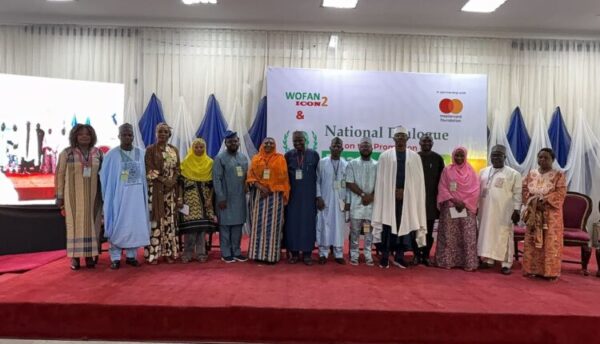
The Women Farmers Advancement Network (WOFAN), has convened a national dialogue on promotion of peace-building and climate-smart agriculture to boost food and nutrition security as well as enhance economic growth in Nigeria. Speaking at the opening ceremony of the event in Abuja,the Executive Director of WOFAN, Hajia Salamatu Garba, explained that there is interconnectivity between conflicts and climate change-related issues, which have adverse effects on the wellbeing of the citizenry. Garba stated that WOFAN is working with the Mastercard Foundation to support and empower 675,000 women and youths across the nine selected States in Nigeria, over a period of five years. She explained that the WOFAN ICON 2 project, funded by the Mastercard Foundation, would support 675,000 women and youths across nine States to develop and maintain sustainable livelihoods and improved quality of life, in line with the Foundation’s bold Young Africa Works-Nigeria (2021-2030) Strategy. It would be recalled that, WOFAN, a Nigerian non-profit organisation, dedicated to empowering smallholder farmers, particularly women and youth, works with them across nine states of Kano, Jigawa, Kaduna, Benue, Nassarawa, Plateau, Bauchi, Adamawa, Gombe and the Federal Capital Territory (FCT), Abuja. Speaking on the essence of peaceful co-existence between crop farmers and livestock farmers,Garba, who is also UN-POLAC Ambassador of peace, urged journalists to desist from ethnic profiling or wrong labelling of a particular ethnic group, to de-escalate conflicts between crop farmers and livestock farmers in Nigeria. According to her, the use of “herdsmen or herders” has negative connotation in the country, adding that effective communication plays critical role in resolving conflicts between crop farmers and livestock farmers. She assured that the recommendations from the National Dialogue would be harmonised and transmitted to the legislative arm for legal framework. In her submission, Mrs. Winnie Lai-Solarin, Director of Animal Husbandry Services, Federal Ministry of Livestock Development, stressed the importance of livestock farming to Nigeria’s economy. Lai-Solarin added that without livestock farming, there would not be food and nutrition security. She, therefore, advised participants to see livestock farmers as key stakeholders in the nation’s economic development, in view of the fact that livestock sector currently worth over N33trillion. In his remarks, Professor Tijjani Muhammad-Bande, former Vice Chancellor of Usmanu Danfodiyo University, Sokoto, who lauded the initiative of the national dialogue, stressed the need for food and nutrition security to be addressed together, so as to meet the Sustainable Development Goal(SDG) number 2 of ending hunger by 2030. Also speaking, the United Nations Positive Livelihood Award Centre (UN-POLAC)Deputy President, Prof. Joseph Legend, underscored the need for dialogue among the warring parties to find a lasting and enduring peace. Legend pointed out that in situations where arms and ammunition could not solve, that focused group discussions would help in resolving issues. Chairman of Kwali Traditional Council, Luka Ayedoo Nizassan, in his remarks, commended WOFAN’s Executive Director for her efforts in championing initiatives that benefit Nigerians. He said, “I want to use this platform to first congratulate the Chief Executive Officer of WOFAN, for undertaking a very courageous initiative, one that ideally should have been led by the government.” Nizassan, who is the Etsu of Kwali,emphasised the relationship between food security, economic growth, agricultural productivity and peace. According to him, “If one of these sectors is underperforming, it affects the entire system. “That is why this gathering is so crucial and timely. Agriculture in Nigeria contributed 25.75% to employment in 2024 and has a significant impact on our Gross Domestic Product(GDP). “However, employment opportunities in agriculture are declining, and its contribution to GDP has stagnated, due to conflicts, climate change, and other pressing challenges. We must take actionable steps to address these issues. “As traditional rulers, we are at the forefront of every conflict and directly experience the consequences of food insecurity.   “When people are hungry, they come to our palaces first, even before going to political offices. “Hunger and economic hardship affect us all. That is why we must be part of this cause,” he explained. Alhassan Yahaya, National President, Nigeria Union of Journalists(NUJ), called for full implementation of UN 1325 Resolution in Nigeria, which underscores the need for women to be involved in the decision-making processes, peace-building and conflict resolution to guarantee peace and security in the country. Yahaya assured that NUJ would collaborate and support WOFAN to promote peaceful co-existence in the country.

Women farmers, journalists, traditional rulers push for sustainable agriculture

The Women Farmers Advancement Network (WOFAN), a non-governmental organisation (NGO), has partnered with the Nigerian Union of Journalists (NUJ) and traditional leaders to promote peace building and enhance climate smart agriculture aimed at boosting economic growth. Speaking at a one-day ‘National Dialogue on Promoting Peace Building and Climate Smart Agriculture as Catalysts for Economic Growth and Food Security in Nigeria,’ which held in Abuja on Wednesday, Salamatu Garba, WOFAN founder and a United Nations peace ambassador, said the partnership seeks to create enhanced food security, national economy and an enabling environment for businesses.“We are looking at cross-cutting issues and using the climate resource limitation that we have to see how addressing that can promote peace, increase food security, and then boost our national economy.” She stressed that proper language is needed to safeguard lives and put agriculture in its proper place.“We are looking at the use of language, and advocating that rather than call pastoralists and the livestock farmers herdsmen, we should call them livestock farmers or poultry farmers.” She said if the public wants the media to do realistic justice, they must cater to their welfare.“I am yet to hear of insurance packages for media people.”“Our partners, the Mastercard Foundation are spearheading the WOFAN ICON 2 project, which is a five-year partnership program, targeting 675,000 farmers with a vision to add 10 million jobs in Africa in the next five years, and 1 million in Nigeria.” In his remarks, Tijjani Muhammad Bande, president of the 74th United Nations General Assembly (UNGA) and former vice chancellor of Uthman Dan fodio University, Sokoto, lauded the initiative of the national dialogue, stressing the need to address food and nutrition security together so as to meet the Sustainable Development Goal 2 of ending hunger by 2030. Also, Joseph Legend, deputy president, United Nations Positive Livelihood Award Centre (UN-POLAC), said focus group discussions and cordial relationships can help proffer solution to several problems in many occasions. In his remarks, Luka Ayedoo Nizassan, Etsu Kwali and chairman, Kwali Traditional Council, commended WOFAN’s executive director for her efforts in championing initiatives that benefit Nigerians. The traditional ruler emphasised the relationship between food security, economic growth, agricultural productivity, and peace. He said, “If one of these sectors is underperforming, it affects the entire system. That is why this gathering is so crucial and timely. Agriculture in Nigeria contributed 25.75 percent to employment in 2024 and significantly impacted our GDP. However, employment opportunities in agriculture are declining, and its contribution to GDP has stagnated due to conflicts, climate change, and other pressing challenges. We must take actionable steps to address these issues.” He noted that they are at the forefront of every conflict and directly experience the consequences of food insecurity. “When people are hungry, they come to our palaces first, even before going to political offices. Hunger and economic hardship affect us all. That is why we must be part of this cause,” he added. Also speaking, Isa Radda of the Department of Sociology, Bayero University, Kano, said the event was about the relationship between climate and agriculture, noting that there is a need for farmers to adopt smart practices without harming the environment.

Experts seek media collaboration, others to address climate-conflict challenges

Experts have emphasised the need for enhanced media collaboration, policy reforms, and multi-stakeholder engagement to address climate-related conflicts, strengthen food security, and stabilize Nigeria’s economy. This call was made during a national dialogue organized by the Women Farmers Advancement Network (WOFAN) ICON2 Project in partnership with the MasterCard Foundation. Speaking at the event, Hajiya Garba Salamatu, Country Project Director of WOFAN ICON2, highlighted the growing link between climate-induced resource shortages, security challenges, and agricultural productivity. She stressed that a comprehensive and inclusive approach to these issues could foster peace, boost food security, and drive economic growth. A key discussion at the forum focused on the media’s role in conflict resolution. Salamatu underscored the impact of language in shaping public narratives and cautioned against terms that frame pastoralists and crop farmers as adversaries. She advocated for more neutral language, such as “livestock farmers” and “poultry farmers,” to promote inclusivity and reduce tensions. She also addressed the welfare of journalists, emphasizing the risks they face while reporting on sensitive topics. To protect media personnel from potential threats and ethical compromises, she called for stronger safety measures, including insurance coverage. The dialogue also recognized traditional rulers as key players in grassroots peacebuilding. Participants explored their role in mediating disputes between farmers and pastoralists, leveraging their influence to maintain harmony in communities. Professor Sadiq Isah of Bayero University, Kano, noted that the program aims to equip farmers with climate-smart agricultural practices that enhance productivity while minimizing environmental harm. However, he stressed that insecurity remains a significant barrier to agricultural success, advocating for dialogue-driven solutions to foster stability. The MasterCard Foundation, through its five-year initiative, is partnering with stakeholders to support 675,000 farmers, with the broader goal of creating 10 million jobs across Africa, including one million in Nigeria. In his remarks, the President of the 74th United Nations General Assembly (UNGA) and former Vice-Chancellor of Usmanu Danfodiyo University, Sokoto, Prof. Tijjani Muhammad-Bande, commended the initiative. He emphasized the need to integrate food and nutrition security efforts to meet the Sustainable Development Goal (SDG) of ending hunger by 2030. Similarly, United Nations Positive Livelihood Award Centre (UN-POLAC) Deputy President, Prof. Joseph Legend, highlighted the importance of peacebuilding. He noted that while weapons may not always resolve conflicts, focus group discussions, friendly dialogue, and relationship-building can be more effective in fostering lasting peace. The Etsu Kwali and Chairman of the Kwali Traditional Council, Luka Ayedoo Nizassan, lauded WOFAN’s Executive Director for spearheading initiatives that benefit Nigerians. “I want to use this platform to commend the CEO of WOFAN for undertaking this courageous initiative—one that ideally should have been led by the government,” he said. Reflecting on Nigeria’s agricultural policies, he remarked: “Nigeria is 65 years old, yet we only established the Ministry of Livestock in 2023. What have we done in the past 62 years? This effort from the private sector is commendable.” The traditional ruler emphasized the interconnectedness of food security, economic growth, agricultural productivity, and peace. “If one of these sectors underperforms, the entire system is affected. That is why this gathering is both crucial and timely. Agriculture contributed 25.75% to employment in 2024 and significantly impacts our GDP. However, conflicts, climate change, and other challenges have caused stagnation. We must take actionable steps to address these issues,” he urged. He further noted that traditional rulers are often the first point of contact during crises, directly experiencing the consequences of food insecurity. “When people are hungry, they come to our palaces before going to political offices. Hunger and economic hardship affect us all. That is why we must be part of this cause,” he added.