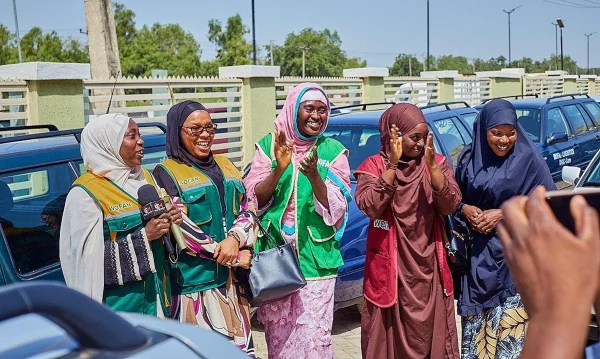
WOFAN’s Crowdfunding Model Targets Improved Agricultural Extension Delivery
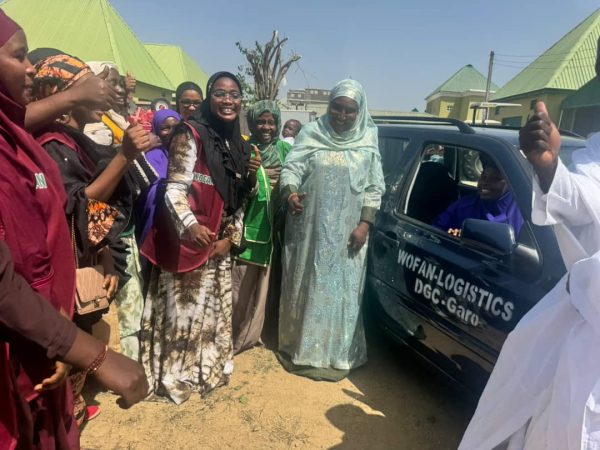
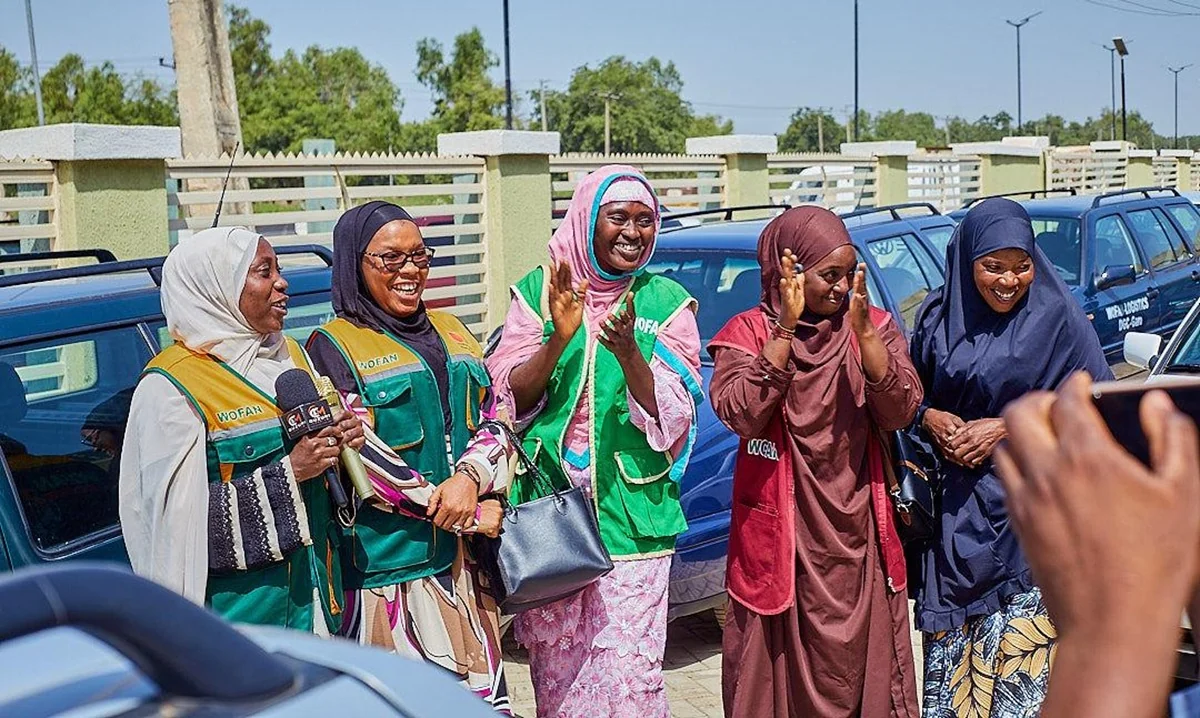
The Women Farmers Advancement Network (WOFAN) has demonstrated how crowdfunding and community-based savings can improve agricultural extension delivery with the provision of 15 Volkswagen Golf vehicles to super trainers implementing its ICON2 project in Kano and Jigawa states. Under the financing arrangement, beneficiaries contributed 50 per cent of the cost of the vehicles, while WOFAN provided the remaining half through its revolving support model, giving extension workers improved mobility to reach farming communities, access markets and generate additional income. The initiative seeks to address transportation challenges that often limit the reach of agricultural extension services, particularly in rural communities where farmers depend on extension workers for technical guidance, training and information on improved farming practices. WOFAN Founder and Global Advocate, Dr Salamatu Garba, said the intervention was designed to equip super trainers, extension workers and community leaders with the means to reach more farmers and improve agricultural service delivery. “We are commissioning batch one of logistic vehicles for our super trainers, extension workers and community leaders. Through their own savings and our complementary support, they now have the mobility needed to reduce the gap farmers face at harvest, move produce to markets, and carry out their extension work more effectively,” Garba said. She explained that the vehicles would serve both operational and commercial purposes, enabling beneficiaries to discharge their extension responsibilities while generating additional income through the transportation of goods and passengers. According to her, improved mobility would ease the difficulties associated with reaching remote farming settlements and reduce beneficiaries’ dependence on commercial transportation when moving between farms, communities and markets. The crowdfunding model requires super trainers to organise themselves into groups, typically comprising seven or eight members, and save half the cost of the vehicles over an agreed period. WOFAN then provides the balance through its revolving support arrangement. The scheme builds on the organisation’s experience in providing productive assets, including tractors, threshers and other equipment, to women farmers, youths and agricultural marketers under the WOFAN ICON2 project. By combining beneficiaries’ contributions with institutional support, the model promotes financial discipline, collective responsibility and ownership while expanding access to productive assets that individual rural workers might otherwise struggle to afford. The initiative also reinforces the role of super trainers in agricultural extension delivery. Having progressed from the ranks of extension workers through commitment and performance, they train other extension personnel, community leaders and cluster leaders, who subsequently replicate the training in their communities. Their responsibilities include promoting financial inclusion and encouraging savings among rural households, making the vehicle scheme an opportunity to demonstrate the benefits of the financial practices they teach. The additional mobility is expected to strengthen this training network, improve the frequency of community engagements and facilitate the transfer of agricultural knowledge between extension personnel and farmers. Chairman of WOFAN’s Technical Board, Professor Sani Miko, described the initiative as a demonstration of how collective savings and shared responsibility could expand economic opportunities for vulnerable groups. He urged the beneficiaries to use the vehicles responsibly and serve as good ambassadors of the organisation, while commending WOFAN’s crowdfunding approach to productive asset ownership. The vehicles will complement existing transportation options used by beneficiaries, including two-wheel and three-wheel tricycles, tauraruwa pickups and other vehicles supporting agricultural and value-chain activities. Beneficiaries, including Sadiya Ibrahim, Hajiya Bilkisu from Jigawa State and Isyaku Yahaya from Garun Mallam in Kano State, expressed appreciation for the intervention, describing it as a boost to their work and the services they provide to farming communities. They said the vehicles would improve their ability to reach farmers, conduct training activities and explore additional income-generating opportunities. WOFAN said it planned further distributions of vehicles and pickups to extend the scheme to more participating clusters. The commissioning of the first 15 vehicles in Kano and Jigawa states highlights the potential of crowdfunding and community savings as alternative mechanisms for financing agricultural development, particularly when beneficiaries’ contributions are matched with institutional support. Beyond addressing transportation constraints, the initiative places agricultural extension workers at the centre of efforts to improve farmers’ access to knowledge, technical assistance and improved farming practices. WOFAN is a Nigerian non-governmental organisation working in partnership with the Mastercard Foundation to empower women farmers, youths and persons with disabilities through agricultural training, capacity building, financial inclusion and community-based livelihood initiatives.