WOFAN, Experts, NGOs Push Climate-smart Farming, Carbon Credits For Farmers

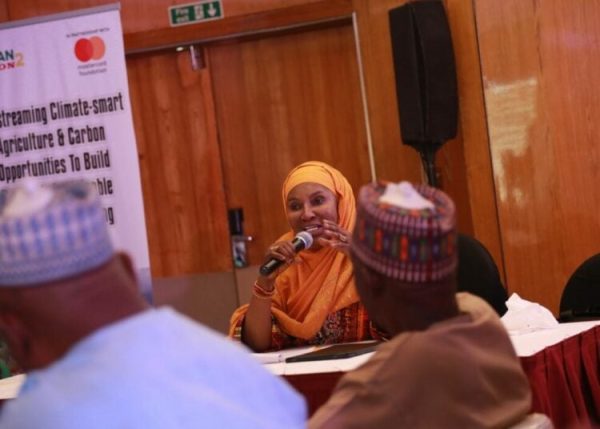
The Women Farmers Advancement Network (WOFAN) has called for stronger collaboration, policy reforms, and public awareness to integrate climate-smart agriculture and carbon credit opportunities into Nigeria’s smallholder farming systems. Speaking at an event themed “Mainstreaming Climate-Smart Agriculture and Carbon Opportunities to Build Resilient Sustainable Smallholder Farming in Nigeria”, WOFAN Executive Director Hajia Salamatu Garba stressed the urgent need for coordinated action among stakeholders to mitigate climate change while unlocking economic incentives for farmers. Garba noted that many rural communities are unaware that climate-friendly practices can earn them bonuses or carbon credits. “We need to create awareness, train people to understand what carbon credits are, review existing climate change policies, and partner with national and international climate bodies,” she said. “At present, everyone is working in isolation. We must consolidate efforts, assign clear roles, and leverage each organisation’s strengths, “she noted. She revealed that the initiative follows her participation in an awareness programme in France, where representatives from 15–18 countries pledged to develop country-specific action plans. For Nigeria, WOFAN plans to engage partners, policymakers, farmer networks, and research institutions to identify challenges, develop sustainable business models, and present practical policy recommendations to government. Chairman of the Technical Board for WOFAN’s climate-smart agriculture and carbon market projects, Professor Miko, explained that climate change impacts such as erratic rainfall, heatwaves, biodiversity loss, and soil degradation demand urgent adaptation measures. He emphasised that climate-smart agriculture focuses on sustaining productivity, reducing greenhouse gas emissions, and sequestering carbon in soils. “The carbon market rewards farmers for adopting practices that reduce emissions and store carbon,” Miko said. “These are not new technologies. Adding organic matter, proper water management, and targeted pest control have been tested over time. What’s needed is selecting the right solution for each challenge, whether it’s drought, flooding, pests, or heat stress.” “We want to use this opportunity to express our gratitude to the donors of this aid to you, particularly the MasterCard Foundation through the WOFAN ICON2 project. We hope and believe the beneficiaries of this tool will have a change in their life cycle and also improve their chances of leading a normal life in society. “We thank the entire project team and communities, especially the community facilitators who stimulated positive actions for this laudable support issue, taking very cogent measures to involve even people who have some special needs in supporting smallholder farmers as they move within the country. This is a very rare opportunity to get this support”, he noted. One recipient, Precious Usman, expressed gratitude for the device, saying it would help her return to farming and provide for her family.
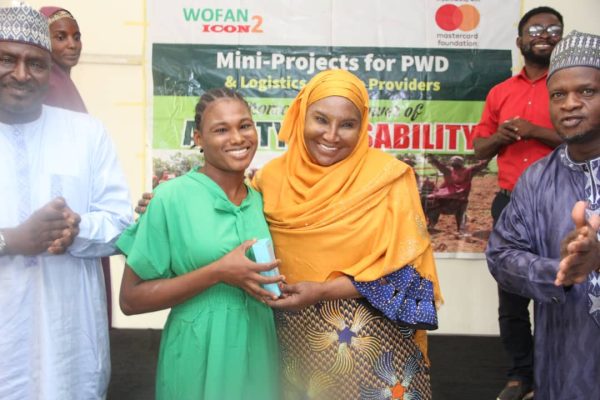
WOFAN-ICON2 project distributes hearing aids to PWDs, farmers, others

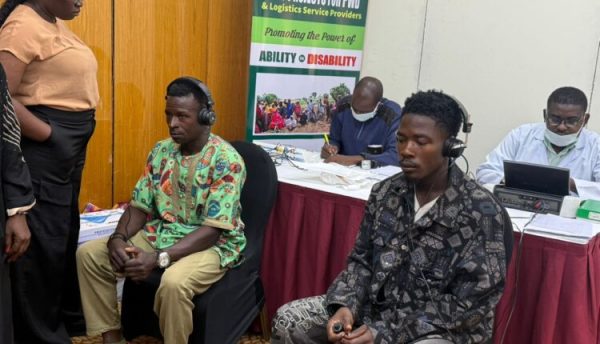
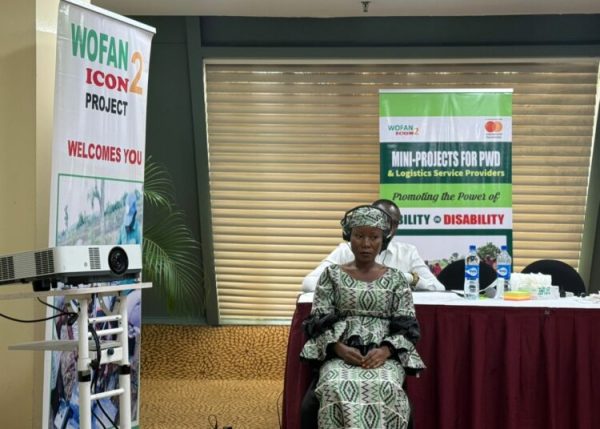
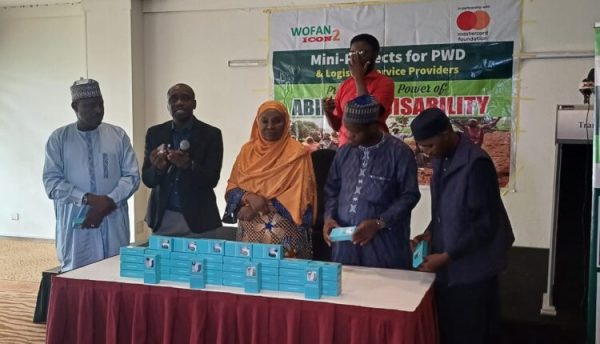
The Women Farmers Advancement Network (WOFAN), in partnership with the MasterCard Foundation, has begun distributing hearing aids to youths, farmers, and other persons with hearing disabilities under its WOFAN-ICON2 Project. The initiative kicked off in Abuja with the distribution of the first batch of 50 devices, out of 1,100 earmarked for beneficiaries across project states. Speaking at the flag-off, WOFAN-ICON2 Project Country Director, Dr. Salamatu Garba, said the effort was restoring hope to people who had lived with hearing loss from birth, early childhood, or adulthood, with many losing jobs and self-worth due to their condition. “There’s nothing more heartwarming than seeing people who thought life was worthless respond to conversations because they can now hear,” she said, noting that high costs had kept many from accessing the devices even after medical screening. WOFAN’s Business Development Manager, Mr. Taiwo Olawale, said the distribution now includes same-day screening, fitting, and training by Ear, Nose, and Throat (ENT) specialists to ensure proper use and maintenance. The project also prioritises inclusivity, targeting women of all backgrounds, including those with disabilities such as visual impairment and albinism. ENT Specialist at Aminu Kano Teaching Hospital, Dr. Munir Anka, explained that beneficiaries underwent medical screening and audiological tests before receiving rechargeable hearing aids, a more sustainable option for unemployed recipients. The MasterCard Foundation aims to reach 30 million African youths, including 10 million in Nigeria, with one million young people with disabilities benefiting from various empowerment programmes. Chairman of the WOFAN Technical Board, Professor Sani Miko, described the initiative as timely, saying it would bridge communication gaps, improve quality of life, and restore dignity to beneficiaries. Professor Sani Miko, Chairman, WOFAN Technical Board, in his remarks, while outlining that the program is timely, said the beneficiaries were challenged to acquire the hearing aid because of the resources. “We want to use this opportunity to express our gratitude to the donors of this aid to you, particularly the MasterCard Foundation through the WOFAN ICON2 project. We hope and believe the beneficiaries of this tool will have a change in their life cycle and also improve their chances of leading a normal life in society. “We thank the entire project team and communities, especially the community facilitators who stimulated positive actions for this laudable support issue, taking very cogent measures to involve even people who have some special needs in supporting smallholder farmers as they move within the country. This is a very rare opportunity to get this support”, he noted. One recipient, Precious Usman, expressed gratitude for the device, saying it would help her return to farming and provide for her family.
WOFAN- ICON2 Project flags off distribution of hearing aids to youths, women, farmers, others with hearing disabilities

The Women Farmers Advancement Network (WOFAN), with the support of the MasterCard Foundation, has begun distributing hearing aids to beneficiaries across its project states under the WOFAN ICON2 Project. The non-profit organization said the initiative is to improve the lives of persons living with hearing impairments SolaceBase reports that flagging off the first batch of the 50 hearing devices in Abuja on Wednesday, the  WOFAN-ICON2 Project  Country Director, Dr. Salamatu Garba expressed joy at the life-changing impact the initiative is having on recipients. She noted that many of the beneficiaries had battled with hearing loss either from birth, early childhood, or adulthood, with some losing jobs and hope due to their condition. “There’s nothing more heartwarming than seeing people who thought life was worthless respond to conversations because they can now hear,” Garba said. “Hearing aids are extremely expensive, and for many, even after hospital screening, they cannot afford to buy them. With support from the MasterCard Foundation, we will be providing 1,100 hearing aids across our project states, “she noted. In his remarks, WOFAN Business Development Manager, Mr Taiwo Olawale, explained that the distribution process now includes same-day screening, fitting, and training, conducted alongside Ear, Nose, and Throat (ENT) specialists to ensure correct specification, proper use and maintenance of the hearing gadgets. She stressed that the project prioritises inclusivity, targeting youth and women of all statuses, including those living with disabilities such as visual impairments and albinism. ENT Specialist with Aminu Kano Teaching Hospital (AKTH) Dr. Munir Anka, highlighted the rehabilitation focus of the initiative. According to him, beneficiaries were selected from across Nigeria, screened, clinically examined, and subjected to audiological tests before being deemed fit for the hearing aids. “Some were born deaf, while others lost their hearing later in life. Both groups can benefit from these devices depending on screening results,” Anka said. He noted that the chosen rechargeable hearing aid model is more cost-effective and sustainable, especially for unemployed beneficiaries who cannot afford regular battery purchases. SolaceBase reports that the MasterCard Foundation’s broader goal is to work with 30 million youths in Africa, including 10 million in Nigeria of which 1 million youths with disability will benefit from various ongoing schemes, thereby ensuring that persons with disabilities are not left behind in empowerment programs. With the launch of the hearing aid distribution, WOFAN says it is not only restoring sound to the lives of beneficiaries but also reigniting hope for their future participation in social and economic activities. On his part, Chairman, WOFAN Technical Board, Professor Sani Miko, while outlining that the program is timely, said the beneficiaries were challenged to acquire the hearing aid because of the resources. “This program is coming at a very good time, and by using this tool, it will help to bridge the gap in terms of communication. It also improves the lives of the people and even raises the dignity of those using these tools. “We want to use this opportunity to express our gratitude to the donors of this aid to you, particularly the MasterCard Foundation through the WOFAN ICON2 project. We hope and believe the beneficiaries of this tool will have a change in their life cycle and also improve their chances of leading a normal life in society. “We thank the entire project team and communities, especially the community facilitators who stimulated positive actions for this laudable support issue, taking very cogent measures to involve even people who have some special needs in supporting smallholder farmers as they move within the country. This is a very rare opportunity to get this support”, he noted. A beneficiary, Precious Usman, while expressing happiness for receiving a hearing aid, said she can now hear with the help of the hearing aid. Also, another beneficiary, Aisha Jibrin from Kachia, in Kaduna State, in an emotion-laden voice with happiness, prayed for the organization for bringing succour to her as she tested the device by answering questions from journalists. She thanked WOFAN and Master Card Foundation for remembering persons living with disabilities who need to go to their farms and produce food for the country and for their families.

WOFAN Donates Hearing Aids To PWDs

The Women Farmers Advancement Network (WOFAN) in partnership with the MasterCard Foundation, has donated hearing aids to persons living with hearing impairments under its WOFAN ICON2 project. During the flag-off of the first batch of 50 devices in Abuja on Wednesday, WOFAN-ICON2 project country director, Dr Salamatu Garba expressed delight over the life-changing impact the initiative is having on recipients. She noted that many of those to benefit had battled with hearing loss either from birth, early childhood, or adulthood, with some losing jobs and hope due to their condition. “There’s nothing more heartwarming than seeing people who thought life was worthless respond to conversations because they can now hear. Hearing aids are extremely expensive, and for many, even after hospital screening, they can not afford to buy them. With support from the MasterCard Foundation, we will be providing 1,100 hearing aids across our project states, “she noted. In his remarks, the business development manager, Mr Taiwo Olawale, explained that the distribution process now includes same-day screening, fitting, and training, conducted alongside Ear, Nose, and Throat (ENT) specialists to ensure correct specification, proper use and maintenance of the hearing gadgets. She stressed that the project prioritises inclusivity, targeting not just women but women of all statuses, including those living with disabilities such as visual impairments and albinism. ENT specialist at Aminu Kano Teaching Hospital, Dr Munir Anka, highlighted the rehabilitation focus of the initiative. According to him, beneficiaries were recruited from across Nigeria, screened, clinically examined, and subjected to audiological tests before being deemed fit for the hearing aids. “Some were born deaf, while others lost their hearing later in life. Both groups can benefit from these devices depending on screening results,” Anka said. He noted that the chosen rechargeable hearing aid model is more cost-effective and sustainable, especially for unemployed beneficiaries who cannot afford regular battery purchases. The MasterCard Foundation’s broader goal is to work with 30 million youths in Africa, including 10 million in Nigeria of which 1 million youths with disability will benefit from various ongoing schemes thereby ensuring that persons with disabilities are not left behind in empowerment programmes. With the launch of the hearing aid distribution, WOFAN said it is not only restoring sound to the lives of beneficiaries but also reigniting hope for their future participation in social and economic activities. Chairman of WOFAN technical board, Professor Sani Miko outlined that the programme is timely, noting that the beneficiaries were challenged to acquire the hearing aid because of the resources. “This programme is really coming at a very good time, and by using this tool, it will help to bridge the gap in terms of communication. It also improves the lives of the people and even raises the dignity of those using these tools. We want to use this opportunity to express our gratitude to the donors of this aids to you, particularly the MasterCard Foundation through the WOFAN ICON2 project, we hope and believe the beneficiaries of this tool will have a change in their life cycle and also improve their chances of running a normal life in the society. We thank the entire project team and communities especially the community facilitators that stimulated positive actions for this laudable support issue, taking very cogent measures to involve even people that have some special needs in supporting smallholder farmers as they move within the country. This is a very rare opportunity to get this support”, he noted. One of the beneficiaries, Precious Usman while expressing happiness for receiving a hearing aid, said she can now hear with the help of the hearing aid. She thanked WOFAN and Master Card Foundation for remembering persons living with disabilities who need to go to their farms and produce food for the country and for their families.

WOFAN Trains Farmers, Stakeholders In Safety, Conflict Resolution

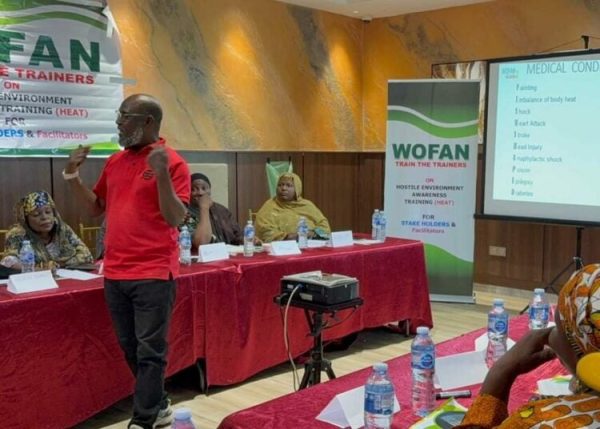
The Women Farmers Advancement Network (WOFAN) has organised a three-day safety, prevention, and security awareness and management training under its ICON2 project to improve the safety and precautions of farmers and agricultural extension workers against farm and domestic accidents. The workshop, tagged Hostile Environment Awareness Training (HEAT) was to equip participants with essential first aid, emergency response and conflict management skills. Speaking during the training, WOFAN’s country project director, Dr Salamatu Garba, emphasised the critical need for such an initiative, noting that the organisation brought together its stakeholders, including field officers, farmers and media personnel, to address life-threatening incidents often overlooked on farms and in rural communities. “This is one of the rare trainings we do for all staff, everyone actually needs this, irrespective of status, we are looking at both home and farm accidents, as well as first aid before taking victims for emergency care,” Garba said. She described the training as a wake-up call to real dangers encountered on the field, such as fainting, fires, sharp object injuries, broken limbs or sudden attacks. “From the farm, if there is an accident, we are working on developing an app that allows the extension worker or supervisor to press an emergency button. It should alert the nearest hospital, road safety agency, or relevant emergency service,” she added. The training also focused on strengthening community conflict resolution skills, particularly between livestock and crop farmers. “We work with both groups and encourage mutual respect. We even urge journalists to stop using divisive terms like ‘herdsmen’ and instead say that livestock farmers’ language matters, it fosters peace,” Dr Garba said. The HEAT training is part of WOFAN’s broader strategy to improve rural resilience and ensure food security through safe farming practices. Dr Garba noted that follow-up training and retraining would continue in phases, cascading knowledge from national to state and grassroots levels. Also speaking at the training, Hajia Maimuna Lawal, the project director on strategies and innovation, described the program as timely and life-saving and as creating WOFAN’s consciousness about tackling security and risk management. For her part, “WOFAN’s focal person in Adamawa State, Mrs Petuniya Kefas, said, “The training has helped me personally. There are things I used to do wrong when responding to accidents, but now I know the right steps. It’s important to assess and stabilise the victim before rushing to the hospital. “ Mrs Kefas said she plans to replicate the training across rural areas in Adamawa, ensuring that women farmers are empowered with practical emergency response skills. “We’ll gather them and train them just like we were trained. We’ll even invite experts to demonstrate. That way, they can help themselves and save lives,” she added. The WOFAN-ICON2 project continues to support innovation in agriculture, rural development and safety awareness, especially for women and youth farmers who form the backbone of Nigeria’s food production system. One of the facilitators, Mallam Malami Kaoje, called for more caution as he sought the immediate assistance of emergency units, experts, and first aiders. The MasterCard Foundation is partnering with organisations to create a five-year programme targeting 675,000 farmers. The goal is to create 10 million jobs in Africa and 1 million jobs in Nigeria.

WOFAN trains farmers, others on first aid, conflict resolution

Women Farmers Advancement Network (WOFAN) has conducted a three-day training on farm and domestic accident prevention, first aid management, and conflict resolution. Organised under ICON2 Project, Hostile Environment Awareness Training (HEAT), it brought together farmers, field officers, and media stakeholders to build capacity on safety protocols, emergency response, and peaceful coexistence in rural communities. Speaking at the workshop, WOFAN’s Country Project Director, Dr. Salamatu Garba, noted importance of the initiative in addressing often-overlooked safety challenges on farms and in homes. She stressed that the training was designed for all staff, regardless of role or status, as accidents can happen anywhere from farms to households. “This is one of our few all-inclusive trainings. Everyone needs to understand how to handle emergencies from minor injuries to life-threatening situations before help arrives,” Dr. Garba said. She noted that WOFAN is developing a app to streamline emergency response, allowing agricultural extension workers to instantly alert nearby hospitals, road safety officials, or emergency services. The training also addressed community conflict management, especially between crop and livestock farmers. Dr. Garba stressed respectful language in reporting, urging journalists to use terms like “livestock farmers” instead of “herdsmen” to promote peace and mutual understanding. “Language matters. It can either build or break communities. We want peace, not polarisation,” she added. WOFAN’s Director of Strategies and Innovation, Hajiya Maimuna Lawal, said the training underscores WOFAN’s commitment to risk management and rural safety. Petuniya Kefas, focal person in Adamawa, shared how the training changed her approach to emergency situations.

WOFAN inaugurates fourth marketing hub in Kano to support women processors

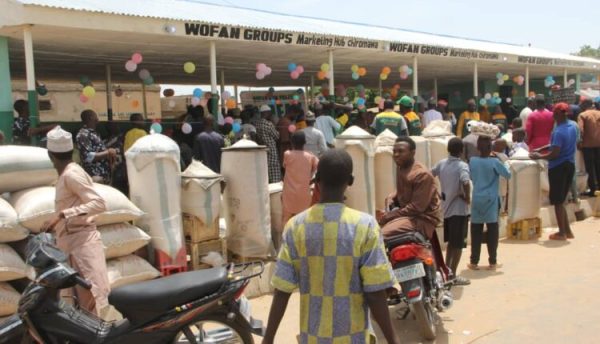
The Women Farmers Advancement Network (WOFAN) has inaugurated a new marketing hub for women processors in Chiromawa community, Garun Mallam Local Government Area of Kano State. SolaceBase reports that the hub, the fourth of its kind in the state, is part of WOFAN’s ongoing efforts to support women processors by improving their access to dignified and profitable employment opportunities. Previously, WOFAN had established a related marketing hub in Tudun Wada, Kura, and Karfi. Where it has turned into a trading hub for women transacting farm-produced and other items, with nothing less than exporting over 50 trailers of goods daily to some parts of Nigeria and even neighbouring countries such as the Niger Republic. Speaking at the event on Thursday, the Country Director of the WOFAN-ICON2 Project, Dr. Salamatu Garba—represented by WOFAN’s Finance Officer, Mr. Abdulrasheed Abdulazeez—emphasized that the hub will empower women to take control of their marketing processes and apply the negotiation skills they have gained through WOFAN programs. She noted that the initiative aims to give women greater control over their resources, increase their profitability, and strengthen their voices on matters that affect them. “This facility is designed to enhance vocational skills, promote self-reliance, and create a supportive environment for rural women to process and market their agricultural produce effectively,” he said. The Chiromawa hub marks the fourth of such facilities established in Kano State and the third within Garun Mallam LGA, following earlier hubs in Kura, Karfi, and Tudun Wada. Dr. Salamatu Garba added that Chiromawa Market, which trades over 100 truckloads of grains daily to various states and beyond, now hosts this impactful mini-project to support women-led businesses through aggregation points. “This initiative not only improves the livelihoods of women processors but also strengthens local economies and food systems,” he added.Best restaurants near me She further explained that the project aligns with the goals of the WOFAN-ICON2 Project, funded by the Mastercard Foundation. The five-year program aims to create sustainable employment opportunities for youth, women, and persons with disabilities (PWDs) across ten Nigerian states. Also speaking at the event, WOFAN’s Kano State Desk Officer, Alhaji Dayyabu Abubakar, highlighted that the hub promotes economic inclusion by providing accessible infrastructure for business operations while addressing broader community needs. He explained that the Chiromawa marketing hub consists of three shops: one serves as an office for members to discuss their concerns and plan strategies, while the other two are dedicated to business activities. In his remarks, the leader of Chiromawa Market, Malam Mustapha Haruna, said the initiative would not only benefit individual women but also bring positive changes to the entire community. He prayed for divine guidance for the beneficiaries as they grow their businesses and expressed deep appreciation to Dr. Salamatu Garba for her consistent support to vulnerable communities.SolaceBase reports that

WOFAN, MasterCard Foundation begin hearing aid support for PWDs

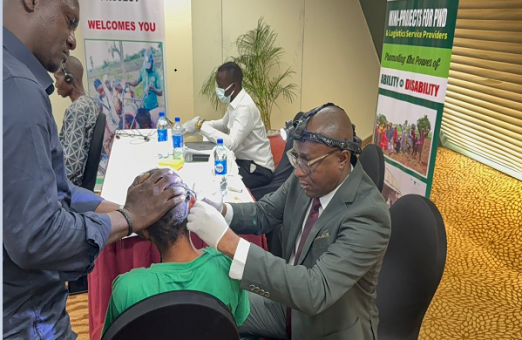
The Women Farmers Advancement Network (WOFAN), in collaboration with the MasterCard Foundation, has commenced screening of PWDs to benefit from its hearing aid support for 1,200 young Nigerians living with hearing impairment. SolaceBase reports that the initiative, which is part of the WOFAN-ICON2 project, aims to identify and equip individuals with the necessary medical assistance, including hearing aids and counselling, to enhance their access to dignified work, particularly in agriculture. Speaking during the maiden screening exercise on Tuesday in Abuja, the Country Director,  WOFAN-ICON2 Project, Dr. Salamatu Garba, said that the organisation has engaged four Ear, Nose, and Throat (ENT) medical consultants and technicians from four geopolitical zones of the country. These professionals will be responsible for identifying eligible beneficiaries in WOFAN’s project areas. The Country Director,  WOFAN-ICON2 Project, Dr. Salamatu Garba, speaking at the screening exercise in Abuja on Tuesday “Today, we are conducting screenings, not just distributing hearing aids randomly. We need to identify those who are genuinely in need, assess the degree of their hearing loss, and determine the appropriate category of hearing aid required,” Dr. Garba explained.   “Some people may not even need hearing aids. Their condition might only require ear cleaning or minor surgery. That’s why we’re relying on expert consultants to properly diagnose and categorize each case,” she added.  “When we talk about disability, the focus is often on physical impairments. But hearing challenges also cause severe stigma and communication barriers that hinder people’s ability to participate in training, access information, or follow safety instructions,” she said. On his part, the surgeon head of Audiology, Aminu Kano Teaching Hospital (AKTH), Professor Abdulazeez Ahmed, praised the initiative and emphasized the urgent need to raise public awareness about hearing loss. Professor Ahmed noted that hearing impairment is often an invisible disability. He also explained why some individuals with hearing impairments struggle to understand speech even when using hearing aids. He stressed the difference between hearing sounds and making sense of them, saying, “You might hear a phone ring, yet be unable to follow a conversation. That’s because hearing sound and understanding speech are two different processes.” He noted that hearing aids amplify sound but do not automatically restore speech comprehension. Also speaking at the event, WOFAN’s Business Development Manager, Mr. Taiwo Olawale, said that the initial screening of 60 individuals in the North Central region will serve as a pilot phase. The program will then be scaled up to the North-East and North-West regions, including states such as Adamawa, the Federal Capital Territory (FCT), and Kano. Highlighting the significance of the project, WOFAN Gender Specialist and FCT Lead, Hajia Maryam Lawal, noted the strong link between hearing impairment and food security. “Imagine how a deaf farmer is left out—unable to participate fully in training sessions, interpret safety instructions, or receive market information. These gaps directly affect productivity and national food security,” she stated. Funded by the Mastercard Foundation, the WOFAN-ICON2 Project aims to support 675,000 youth, including 70% women, across nine Nigerian states over five years, as part of the Young Africa Works–Nigeria strategy (2021–2030), which seeks to secure dignified and fulfilling employment for 10 million youth.

WOFAN, MasterCard, ENT Experts Launch Hearing Aid For PWDs

With support from the MasterCard Foundation, the Women Farmers Advancement Network (WOFAN) has launched a targeted initiative in partnership with ENT specialists to support young Nigerians living with hearing impairment. The programme, which forms part of the WOFAN-ICON2 project, seeks to identify and equip 1,200 individuals between 18 and 35 with the necessary medical assistance, particularly hearing aids and counselling, to enhance their access to dignified work, especially in agriculture. Speaking at the flag-off event in Abuja, Dr. Salamatu Garba, WOFAN’s ICON2 Country Project Director, emphasised the often-overlooked plight of deaf people. “When we talk about disability, the focus is usually on physical mobility, but people with hearing challenges face immense stigma and frustration in communication,” she said. Dr. Garba explained that the initiative goes beyond the mere distribution of hearing aids; it includes medical screening by expert consultants to determine eligibility and appropriate interventions. “We are partnering with ENT specialists from reputable institutions to conduct these screenings. Some people might only require minor procedures like wax removal or cleaning, while others may need hearing aids. This is why medical verification is essential before any support is administered,” Dr. Garba noted. In his remarks, the Business Development Manager, Mr Taiwo Olawale, said the initial screening of 60 individuals in the North Central region will serve as a pilot, after which the programme will extend to the North-East and North-West zones, including states like Adamawa, FCT and Kano. Highlighting the project’s focus on young, productive individuals, the gender specialist and FCT Lead, Hajia Maryam Lawal, stressed the link between hearing impairment and food security, stating that the project is focusing on people within the 18 to 35-year age bracket, especially those in agriculture. “Imagine how much the deaf farmer ignores them. How do they interact with training, safety instructions, or market information? This affects productivity and national food security,” she added. Supporting the initiative, Dr. Bassey Adem, an ENT consultant from the university teaching hospital Calabar, described hearing loss as a serious public health concern often underfunded. He lauded the collaboration between WOFAN and the Mastercard Foundation, saying, “Most people affected come from low-income backgrounds and can not afford hearing aids that cost hundreds of thousands of naira to acquire just one hearing aid. This programme will go a long way in restoring dignity and function to many lives.” Professor Abdulazeez Ahmed, an ENT consultant at Aminu Kano Teaching Hospital, and Dr Manir Anka both commended the project and stressed the need for greater public awareness. Discussing further, Prof. Azeez indicated that “Hearing impairment is a hidden disability. If I don’t speak, you might not know I am deaf. That’s why advocacy and education are key to removing the stigma and fostering integration,” he explained. He encouraged other NGOs to emulate WOFAN’s commitment to inclusivity. Professor Ahmed further stressed the importance of multi-sector collaboration in tackling disability-related challenges. “This is not the government’s responsibility alone. Well-meaning Nigerians and organisations need to come together to uplift those living with disabilities,” he said, urging for national attention to hearing impairment as a critical but often ignored issue. As the programme progresses, WOFAN and the Mastercard Foundation hope to build a model for disability inclusion that combines medical intervention, awareness creation, and economic empowerment. With plans to expand across the nine targeted states of the WOFAN-ICON2 project, the initiative represents a crucial step toward ensuring no one is left behind in pursuing sustainable pathways to dignified and fulfilling job opportunities.

WOFAN, Mastercard Foundation launch support initiative for hearing-impaired youths in agriculture

In a significant move towards inclusive development, the Women Farmers Advancement Network (WOFAN), in collaboration with the Mastercard Foundation and ENT specialists, has launched a hearing support initiative targeting young Nigerians with hearing impairments. The initiative, part of the WOFAN-ICON2 project, aims to identify and provide medical assistance, including hearing aids and counselling, to 1,200 individuals aged 18 to 35, to enhance their access to dignified employment opportunities, particularly within the agricultural sector. Speaking at the official launch in Abuja, Country Project Director of WOFAN-ICON2, Dr. Salamatu Garba, underscored the social exclusion faced by people with hearing loss. “When disability is discussed, focus often centres on physical impairments, while hearing-impaired individuals are left to battle communication barriers and societal stigma,” she noted. Dr. Garba clarified that the initiative is not just about distributing hearing aids but also involves thorough medical screening by ENT experts to determine the right support. “Some may need simple procedures like wax removal, while others genuinely require hearing devices. Accurate diagnosis is essential before intervention,” she said. Business Development Manager at WOFAN, Mr. Taiwo Olawale, disclosed that the pilot phase will begin with the screening of 60 individuals in the North Central region before scaling to other zones, including the North-East and North-West, covering states like Adamawa, Kano, and the FCT. WOFAN’s Gender Specialist and FCT Lead, Hajia Maryam Lawal, emphasised the need to include hearing-impaired youths in agricultural development, noting that disability inclusion is key to achieving national food security goals. “Imagine a deaf farmer being excluded from training sessions or safety briefings. Their productivity and ability to contribute to food security are compromised. That’s why we’re targeting this group,” she said. ENT consultant Dr. Bassey Adem from the University of Calabar Teaching Hospital described hearing loss as a pressing but underfunded public health issue. He commended the partnership, noting that many affected individuals cannot afford hearing aids, which can cost hundreds of thousands of naira. “This programme restores not just hearing, but dignity and opportunity,” Dr. Adem said. Also lending support, Professor Abdulazeez Ahmed of Aminu Kano Teaching Hospital and Dr. Manir Anka praised the initiative for spotlighting a “hidden disability.” “Hearing loss is invisible. Unless someone speaks, you might not realise they are deaf. That’s why public education and awareness are essential to end stigma and foster inclusion,” Prof. Ahmed said. He called on other organisations to replicate WOFAN’s inclusive model and urged for broader collaboration in addressing disability-related challenges. “This is not solely the government’s duty. All of society must play a role in uplifting persons with disabilities,” he stated. As the programme advances across the nine focus states of the WOFAN-ICON2 project, it aims to set a national standard for disability inclusion, merging medical intervention, public awareness, and economic empowerment to ensure no one is left behind.