WOFAN Women Groups Step up Their Rice Business Through Value Addition in Gombe

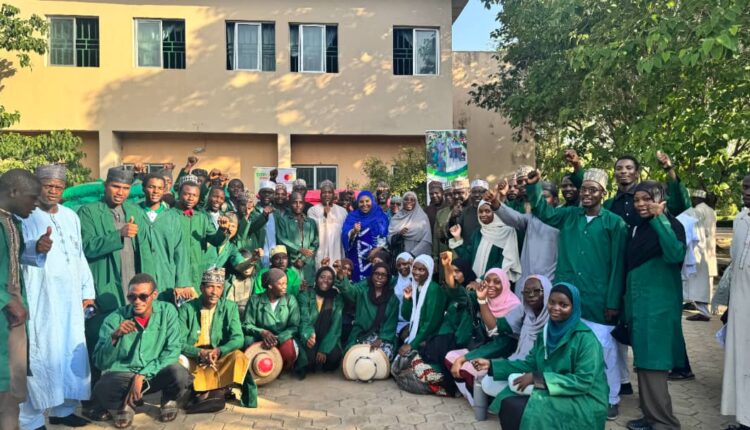
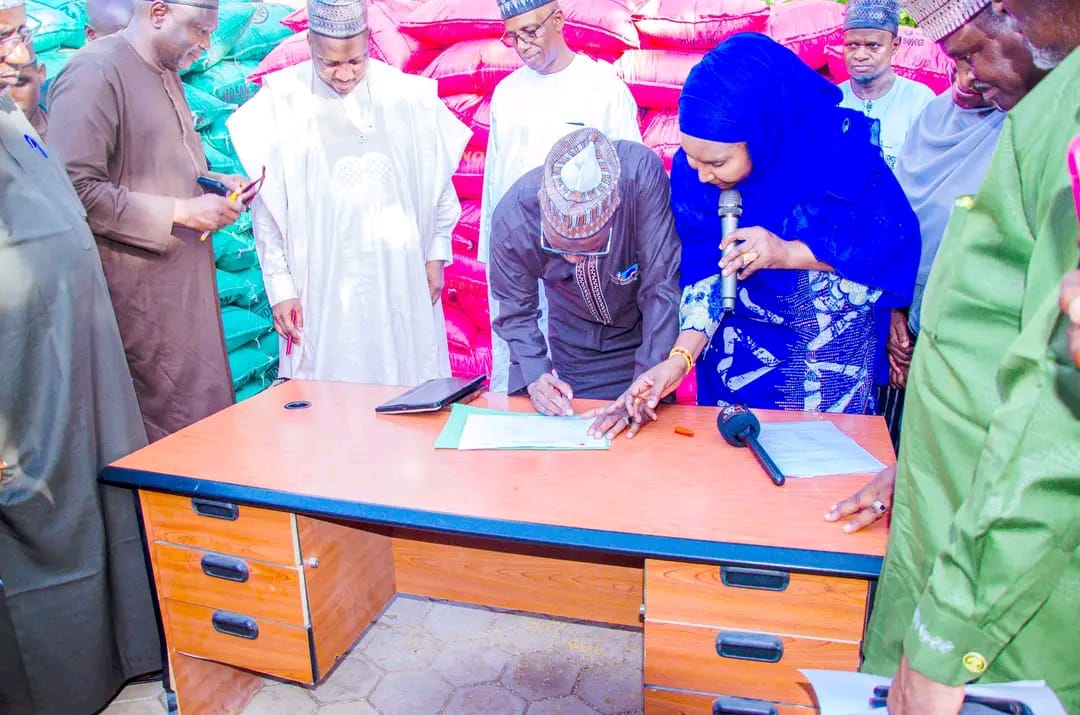
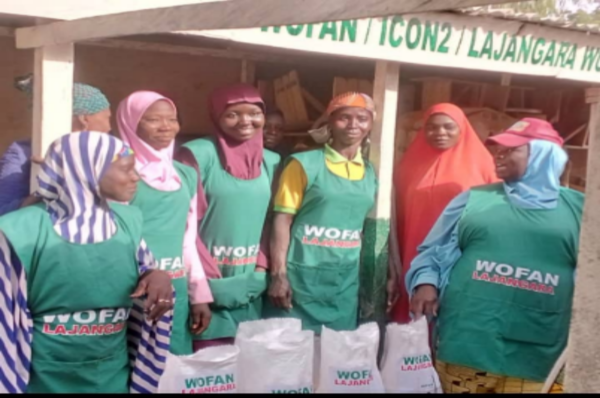
WOFAN ICON2 women groups in Lajangara, Gombe State have taken their rice processing business to a new level of value addition and profit through improved packaging. For years, the women processors of Lajangara, Gombe State have struggled to make sustainable income from their rice processing business. That was before they started participating in the WOFAN ICON2 Project in 2022. Before the ICON2 intervention, they were forced to sell their poorly processed rice individually at low prices, leaving them with minimal profits despite their hard work. However, their fortunes changed when the Women Farmers Advancement Network (WOFAN), through the WOFAN-ICON2 Project, introduced them to quality parboiling techniques during the second Year of the implementation of the Project. The Project had supported the young women in the community between the ages of 18 and 35 years to form groups of 30 members each. Through capacity building on group dynamics and management, the Project further supported them to form a network of clusters up to mega cluster level. Then, the groups received training on improved parboiling techniques. And the Project built and equipped a makeshift center for group processing at mega cluster level. Essential processing equipment, including rice destoners, polishers, hammer mills, parboiling pots, and stoves were also installed in the center and the women received training on the operation and basic maintenance of the equipment. With hands-on training and continuous support, these women have now mastered modern parboiling techniques, allowing them to produce high-quality, well-packaged rice that meets and surpasses market standards. The impact has been remarkable. They added a new layer of value to their processed rice in January 2025 when they started packaging the rice in beautifully branded polypropylene bags in diverse weights, starting from 1kg to 10kg. With the packaged rice proudly branded WOFAN Lajangara Rice, the packaged rice has now become a favorite in Lajangara and environs. Lajangara citizens are not just proud of the packaged rice because it promotes the name of the community, they love it because the rice is destoned and has the distinct aroma of parboiled rice which they love so much. Malam Abdul Lajangara is one of the community members buying the new WOFAN Lajangara Rice. He said he loves the rice because he can buy 2kg of the well processed which means he does not have to trek the whole of the local market to get good rice in small measures. “Of course, I am proud that the rice bears the name of my community. But I am even happier because the rice is very neat and is also neatly packaged. I can buy 2kg that is stone and dust free without having to trek the whole of the market. You see, it is not only good for the table, but also pocket-friendly”’ Malam Lajangara enthused. Previously, the women of Lajangara sold their processed rice at the common market price, struggling to make ends meet. Today, with the new packaging, buyers are willingly paying up to N500 more than the common market price as the women are proudly selling their well-packaged 5kg bags of rice at a premium price of N7,000, significantly boosting their earnings and financial independence. The success of the Lajangara women has not gone unnoticed. Their neatly packaged and branded rice has caught the attention of the Local Government Chairman, who requested a sample for evaluation. Impressed by the innovation and resilience of the women, the Chairman has expressed interest in placing a bulk order in preparation for Ramadan, further cementing their place as key players in the local rice market. Speaking on their recent successes, the Leader of Lajangara Clusters, Naomi Iliya disclosed that the simple value addition they made to their processed rice has turned their rice business around and they are making more money now. She expressed profound gratitude for the life-changing impact of the WOFAN-ICON2 Project. She said, “We never imagined that our rice business could grow this much. We decided to bag our rice in branded bags after learning how to add value to our products at a training organized by WOFAN in January. And that decision has proven to be a transformative one. Before, we had no choice but to sell our paddy rice at very low prices, barely making a profit. But now, with the knowledge and equipment WOFAN provided, we are not just selling rice, we are selling quality. Our rice has become very popular and our profits have increased. We can now support our families better. WOFAN-ICON2 has truly transformed our lives and we are forever grateful.” The WOFAN ICON2 Project is funded by the Mastercard Foundation to support 675,000 youths, across nine Nigerian states, over a 5-year period to develop and maintain sustainable livelihoods and have an improved quality of life, in line with the Mastercard Foundation’s bold Young Africa Works-Nigeria (2021-2030) strategy to enable 10 million youth in Nigeria (including 7 million young women) to secure dignified and fulfilling employment.
WOFAN team attends AI training in Dubai to boost workplace efficiency, food security

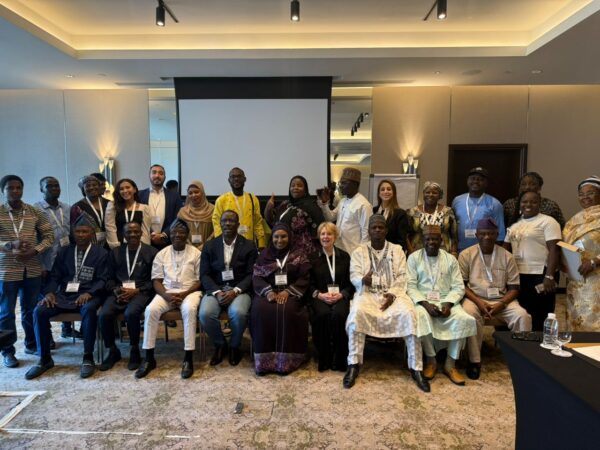
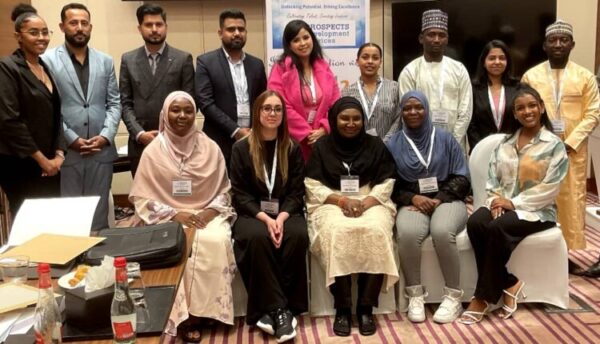
As digital transformation reshapes industries worldwide, a team from the Women Farmers Advancement Network (WOFAN) has attended a three-day AI awareness and sensitization training in Dubai. Organized by Prospects Development Services, the training aimed to deepen participants’ understanding of Artificial Intelligence (AI) and explore its integration into workplaces as a stepping stone to sustaining future jobs and opportunities. SolaceBase correspondent who was part of the team reports that the event, held from January 25th to 27th, 2024, brought together participants from six countries—Nigeria, Pakistan, Tanzania, Morocco, Sri Lanka, and Ethiopia. Discussions focused on the application of AI in sustainable agriculture and food security, particularly through e-extension services, a digital approach that Nigeria is actively promoting to enhance farming practices. Speaking at the event, WOFAN-ICON2 Project Country Director and United Nations Peace Ambassador, Dr. Salamatu Garba, emphasized that the training aligns with WOFAN-ICON2 Project objectives to promoting sustainable, transparent and inclusive solutions to women and farmers’ livelihood improvement needs. She noted that the training gave participants a deeper understanding of AI and also realize their live dreams of integrating emerging technologies into their workplaces and communities. “The sessions provided an opportunity for the WOFAN team to engage with experts on how AI-powered e-extension services can improve agricultural productivity, streamline resource management, and provide real-time solutions for farmers,” Dr. Garba stated. “The program also highlighted the importance of youth participation in AI-driven innovations, stressing that acquiring digital skills will be crucial in securing future employment.” She also shared her personal journey with AI, revealing that she initially skeptical with reservations about the technology. However, her perspective has evolved, and she now sees AI’s transformative potential, particularly in rural communities to promote more effective e-extension services.   “I plan to incorporate AI, robotics, and management into the curriculum of our community-based schools. This will give young people in rural areas access to cutting-edge knowledge and skills,” she explained, expressing hope that this initiative will inspire other institutions to adopt similar innovations. In his opening remarks, Chief Executive Officer,Prospects Development Services, Mr. Bayode Hambolu, commended WOFAN’s forward-thinking approach to AI adoption. He highlighted AI’s transformative potential across industries, particularly in agriculture and workplace efficiency. “Artificial intelligence is no longer just about report writing; it’s transforming farming, harvesting, and controlling crop diseases,” he remarked, expressing optimism about future collaborations with WOFAN to empower Nigerian youth through advanced AI training. AI specialist and consultant, Dr. Katarina Beta, one of the key resource persons at the training, provided insights into the opportunities and challenges AI presents in today’s job market. According to Dr Beta, AI is creating new opportunities in fields such as data analysis, programming, robotics engineering, healthcare, digital marketing, cybersecurity, and precision agriculture. However, she also warned of disruptions in traditional roles, particularly in clerical work, administrative jobs, manufacturing, customer service, retail, and transportation. Read Also:Kano approves new climate change policy She urged participants to embrace AI as a tool for social and economic progress, emphasizing the need for continuous learning and upskilling to remain relevant in an AI-driven world. The training covered a wide range of topics, including understanding the AI ecosystem, machines and strategies learned for implementing AI in organizations. Each session combined theoretical knowledge with practical group activities, fostering collaboration and innovation among participants. A highlight of the program was a study tour of Dubai’s Museum of the Future, a globally recognized hub for technological advancements. The museum provided an interactive experience, showcasing cutting-edge developments in AI, robotics, and sustainability. Participants explored groundbreaking ideas, such as intelligent systems for daily life enhancement and innovative tools addressing global challenges, further deepening their appreciation of AI’s potential to drive development and improve livelihoods. Several participants who spoke to SolaceBase expressed appreciation for the training, stating that the knowledge gained will be instrumental in their respective fields. They noted that the program broke barriers and built bridges across the six participating countries, fostering international collaboration in AI adoption. With AI rapidly transforming industries worldwide, WOFAN’s engagement in the Dubai training underscores its dedication to innovation, agricultural advancement, and digital empowerment, ensuring that Nigerian farmers and agripreneurs remain at the forefront of global technological advancements.  

WOFAN-ICON2, NCRI Partner To Launch Initiatives To Boost Food Security, Job Creation

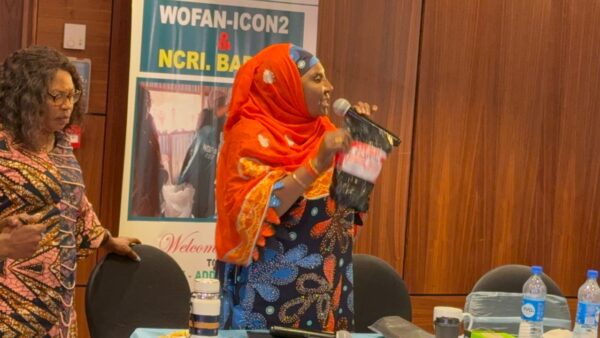
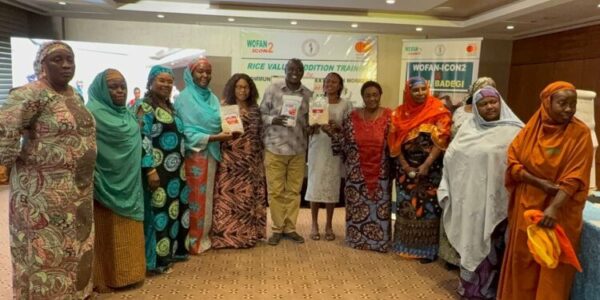
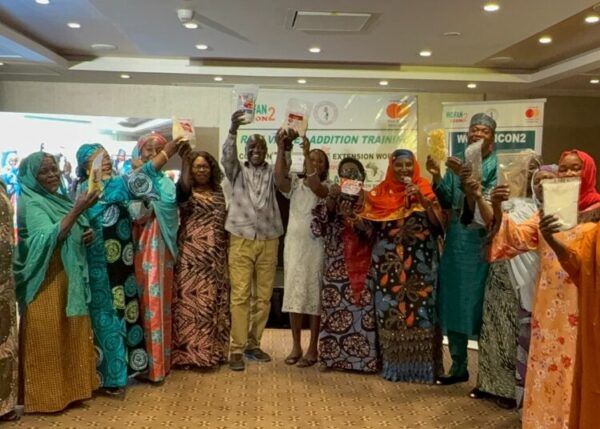
The WOFAN-ICON2 project has commenced activities aimed at enhancing food security and creating dignified job opportunities for youth, particularly women and people with disability in partnership with consultants from the National Cereals Research Institute in Badegi, Niger State.   The project has set ambitious goals for 2025, including reducing rice production and post-harvest losses, increasing income sources for smallholder farmers and processors, and improving food security through value addition strategies. The project was launch in Abuja where attendees included women groups from Adamawa, Bauchi, Benue, Gombe, Kaduna, and Nasarawa states, consisting of community trainers and extension workers. The session was geared towards strategizing on innovative approaches for enhancing the economic and nutritional value of rice to create appealing end products that consumers are willing to purchase. During the meeting, Hajia Maimuna Lawal, WOFAN-ICON2’s Strategy, Innovation, and Sustainability Director, highlighted that 30-40% of rice produced in Nigeria is lost or wasted along the value chain. To combat these issues, Hajia Lawal emphasized the importance of developing innovative products from rice harvested by smallholder farmers and processors, which can help recover losses and boost income. Utilising rice by-products for new products is expected to minimize losses along the value chain, thereby enhancing women’s economic prospects. Dr. Nehemiah Danbaba, a rice value chain specialist from the National Cereals Research Institute, stressed the potential of value addition in transforming poor-quality rice into high-value products. He presented the example of broken rice, typically rejected after sorting, which can be milled into flour, creating a new product with diverse applications. Such innovations can significantly contribute to nutritional and economic outcomes for women and society. Hajia Salamatu Garba, WOFAN-ICON2’s Country Project Director, who stated that the initiative is in line with the Mastercard Foundation initiative of creating dignified job opportunities of about 10million youths including women and people with disability. The innovations include cutting cake baked with rice and groundnut flour and further displayed other forms of products including the use of carbonized rice husks to make briquettes and fertizers and concluded with discussing the strategic direction for 2025. According to her, others are introducing simple processing machines to various rice products and building the capacities of youths, enhancing and fortifying rice with neccessary nutrients and other crops such as soybeans and groundnuts to make fortified rice and flour that is ready to use and be transformed into various foods and snacks such as nutritious rice cheese balls , rice prinkles, waina mix, etc. She noted that the WOFAN-ICON2 Project stands as a beacon of hope for enhancing food security and creating economic opportunities in Nigeria. Through strategic partnerships with relevant research and regulating bodies as well as implementing innovative practices, the project aims to empower women and youth in the rice value chain, ultimately leading to a more sustainable and prosperous agricultural sector. Mr Taiwo Olawale the Operations and Business manager of WOFAN concluded the meeting by stating that “The successful implementation of these initiatives can pave way for significant improvements in enhancing the economic growth, boost food security and scale- up nutritional outcomes and resulting in multiplier benefits for communities involved”.

WOFAN-ICON2 Project partners NCRI to launch initiatives to enhance food security, job opportunities through rice value initiatives

The WOFAN-ICON2 Project has commenced activities aimed at enhancing food security and creating dignified job opportunities for youth, particularly women and people with disability in partnership with consultants from the National Cereals Research Institute in Badegi, Niger State. SolaceBase reports that the project has set ambitious goals for 2025, including reducing rice production and post-harvest losses, increasing income sources for smallholder farmers and processors, and improving food security through value-addition strategies. This was announced at a pivotal meeting held in Abuja, the Federal Capital Territory, marking the launch of a new project year where attendees included women groups from Adamawa, Bauchi, Benue, Gombe, Kaduna, and Nasarawa states, consisting of community trainers and extension workers. The session was geared towards strategizing innovative approaches for enhancing the economic and nutritional value of rice to create appealing end products that consumers are willing to purchase. During the meeting, WOFAN-ICON2’s Strategy, Innovation, and Sustainability Director, Hajia Maimuna Lawal, highlighted that 30-40% of rice produced in Nigeria is lost or wasted along the value chain. The reasons for these losses include Pests and diseases, Suboptimal agronomic practices, Poor handling practices and Lack of processing infrastructure. To combat these issues, Hajia Lawal emphasized the importance of developing innovative products from rice harvested by smallholder farmers and processors, which can help recover losses and boost income. Furthermore, utilizing rice by-products for new products is expected to minimize losses along the value chain, thereby enhancing women’s economic prospects. A rice value chain specialist from the National Cereals Research Institute, Dr. Nehemiah Danbaba, stressed the potential of value addition in transforming poor-quality rice into high-value products. He presented the example of broken rice, typically rejected after sorting, which can be milled into flour, creating a new product with diverse applications. Such innovations can significantly contribute to nutritional and economic outcomes for women and society. WOFAN-ICON2 Project Country Director, Hajia Salamatu Garba, stated that the initiative is in line with the Mastercard Foundation initiative of creating dignified job opportunities for about 10 million youths including women and people with disability kick-started the 2025  project year by cutting a cake baked with rice and groundnut flour and further displayed other forms of products including the use of carbonized rice husks to make briquettes and fertizers and concluded with discussing the strategic direction for the year. According to her, this includes introducing simple processing machines to various rice products and building the capacities of youths to engage professionally in value addition, enhancing and fortifying rice with necessary nutrients and other crops such as soybeans and groundnuts to make fortified rice and flour that is ready to use and be transformed into various foods and snacks such as nutritious rice cheese balls, rice prickles, ‘Waina mix’, etc. The WOFAN-ICON2 Project stands as a beacon of hope for enhancing food security and creating economic opportunities in Nigeria. Through strategic partnerships with relevant research and regulating bodies as well as implementing innovative practices, the project aims to empower women and youth in the rice value chain, ultimately leading to a more sustainable and prosperous agricultural sector. The Operations and Business manager of WOFAN Mr Taiwo Olawale concluded the meeting by stating that “The successful implementation of these initiatives can pave  way for significant improvements in enhancing the economic growth, boost food security and scale- up nutritional outcomes  and resulting in  multiplier benefits for communities involved .

WOFAN-ICON2, NCRI to launch rice value initiatives to boost food production, job creation

The Women Farmers Advancement Network (WOFAN) ICON2 Project and consultants from the National Cereals Research Institute (NCRI) in Badegi, Niger State, have commenced activities aimed at enhancing food security and creating dignified job opportunities for young people. The project has set ambitious goals for 2025, including reducing rice production and post-harvest losses, increasing income sources for smallholder farmers and processors, and improving food security through value addition strategies. A meeting was held in Abuja to launch the new project year, attended by women’s groups from Adamawa, Bauchi, Benue, Gombe, Kaduna, and Nasarawa states, comprising community trainers and extension workers. The session focused on strategising innovative approaches to enhance the economic and nutritional value of rice, aiming to create appealing end products that consumers are keen to purchase. During the meeting, Hajia Maimuna Lawal, WOFAN-ICON2’s Strategy, Innovation, and Sustainability Director, highlighted that 30-40 per cent of rice produced in Nigeria is lost or wasted along the value chain. According to her, these losses are caused by pests and diseases, suboptimal agronomic practices, poor handling, and a lack of processing infrastructure. To address these issues, Hajia Lawal emphasised the importance of developing innovative products from rice harvested by smallholder farmers and processors, helping to recover losses and boost income. Furthermore, she noted that utilising rice by-products for new products is expected to minimise losses along the value chain, thereby enhancing women’s economic prospects. Dr Nehemiah Danbaba, a rice value chain specialist from the NCRI, stressed the potential of value addition in transforming poor-quality rice into high-value products. He cited the example of broken rice, typically rejected after sorting, which can be milled into flour to create a new product with diverse applications. Such innovations, according to him, can significantly contribute to improved nutritional and economic outcomes for women and society.   Hajia Salamatu Garba, WOFAN-ICON2’s Country Project Director, stated that the initiative aligns with the Mastercard Foundation’s goal of creating dignified job opportunities for about 10 million young people, including women and people with disabilities. She kick-started the 2025 project year by cutting a cake baked with rice and groundnut flour and showcasing other innovative products, such as carbonised rice husks used to make briquettes and fertiliser. She said the strategic plan for 2025 includes introducing simple processing machines for various rice products and building the capacities of young people to engage professionally in value addition. Other initiatives include enhancing and fortifying rice with essential nutrients and combining it with crops such as soybeans and groundnuts to create fortified rice and flour. These can then be transformed into various foods and snacks, such as nutritious rice cheese balls, rice sprinkles, and waina mix. Through strategic partnerships with relevant research and regulatory bodies and the implementation of innovative practices, the project aims to empower women and young people in the rice value chain, ultimately contributing to a more sustainable and prosperous agricultural sector. Mr Taiwo Olawale, the Operations and Business Manager of WOFAN, concluded the meeting by stating: “The successful implementation of these initiatives can pave the way for significant improvements in economic growth, boost food security, and scale up nutritional outcomes, resulting in multiplier benefits for the communities involved.”  

International Day of Persons With Disabilities: WOFAN Empowers 300 Students With Disabilities At Special Education Center, Bauchi

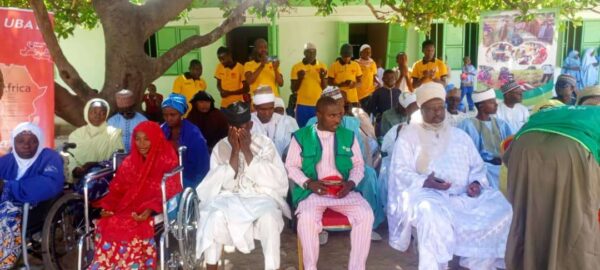
In celebration of the 2024 International Day of Persons with Disabilities (IDPWD), the Women Farmers Advancement Network (WOFAN), in partnership with the Mastercard Foundation, has trained 300 students with disabilities at the Special Education Centre in Bauchi. The students were equipped with modern tools and resources as part of WOFAN’s efforts to empower persons with disabilities (PWDs) through skills acquisition and vocational training. This initiative is a component of the WOFAN ICON-2 project, aligned with the Mastercard Foundation’s We Can Work program, which seeks to support 1 million PWDs across seven African countries, including Ghana, Senegal, Nigeria, Kenya, Uganda, Ethiopia, and Rwanda. The project contributes to the broader Young Africa Works Strategy of the Foundation, aimed at creating dignified employment opportunities for 30 million young Africans. During the event, Asabe Yahaya Muhammad, the Principal of the Special Education Centre, lauded WOFAN’s transformative interventions. “WOFAN’s impact on our school has been remarkable. They have trained our students in vocational skills such as tailoring, carpentry, welding, and agriculture. This has enabled them to become self-reliant. They also addressed infrastructure challenges by building over 20 toilets and bathroom facilities, which significantly reduced open defecation, and drilling a borehole near the female hostel to resolve water supply issues,” she said. Hajiya Asabe also expressed optimism about the repair of the currently non-functional borehole, which had earlier eased water scarcity issues for female students. She praised WOFAN’s Executive Director, Ambassador Salamatu Garba, for establishing four vocational departments at the school, which have become key drivers of empowerment for the students. “The tailoring department has already proven impactful, as many students started repairing their torn uniforms upon receiving the equipment,” she added.The Bauchi Team Lead of WOFAN, Shafi’u Haladu Babaji, emphasized the organization’s dedication to inclusivity for PWDs. “On behalf of Ambassador Salamatu Garba, we are here to ensure these students are equipped with the skills and tools to compete in the job market. Recently, we distributed specialized tricycles to ease transportation challenges and provide means of livelihood for the physically challenged,” he noted. Highlighting WOFAN’s broader impact, the Royal Father of the Day, Alhaji Lawal Ahmad, the Ward Head of Birshi, commended the organization for its life-changing initiatives. “The contributions of WOFAN in our community are immense. From vocational training to providing tricycles for transporting farm produce, the impact is visible. As a mark of our appreciation, I conferred the traditional title of Jaruma Birshi on Dr. Salamatu Garba,” he announced. Representing the Bauchi State Commissioner for Education, Dr. Jamila Muhammad Dahiru, the Permanent Secretary of the Ministry of Education, Ali Babayo Gamawa, praised WOFAN’s efforts and called on other organizations to emulate their noble gesture. “This government is committed to providing quality education for students with special needs, and WOFAN’s support complements these efforts,” he said. The event featured the distribution of high-quality vocational tools, including sewing machines, carpentry equipment, and welding instruments. Sani Umar, a welding instructor, highlighted the value of the provided materials, such as filing machines, welding goggles, pliers, and drilling machines. This intervention underscores WOFAN’s commitment to empowering PWDs by providing them with the tools and training needed to lead independent and dignified lives. It also serves as a model of inclusive development, bridging gaps and creating meaningful opportunities for persons with disabilities.

Agricultural extension service bill passes first reading

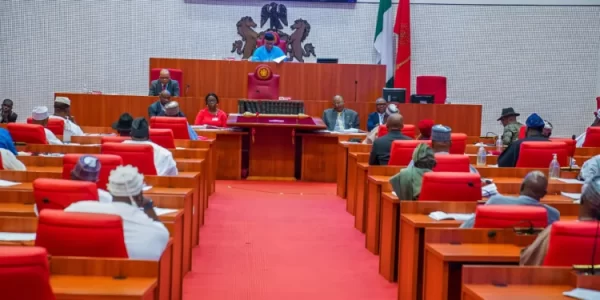
The Nigerian Senate has made significant progress toward bolstering the nation’s agricultural sector as the Agricultural Extension Service Bill, 2024 (SB. 646), sponsored by Senator Saliu Mustapha, passed its first reading. The bill, championed by agricultural stakeholders, including the WOFAN-ICON2 project, aims to strengthen agricultural extension services to enhance smallholder farmers’ productivity and ensure food security nationwide. It also seeks to equip extension workers with advanced, technology-driven, and demand-oriented skills to improve service delivery. Speaking on the objectives of the bill, Senator Mustapha, representing Kwara Central, stated that it aims to implement the National Agricultural Extension Policy and Strategy effectively. He emphasised that the bill would establish a legal framework for sustainable agricultural extension services in Nigeria.  Furthermore, the legislation would support the creation of a harmonised, pluralistic, and demand-driven e-agriculture extension system to boost efficiency across the agricultural value chain. Recall that the Minister of State for Agriculture and Food Security, Senator Aliyu Abdullahi, commended the efforts of stakeholders, including the WOFAN-ICON2 project and the National Agricultural Extension and Research Liaison Services (NAERLS), in drafting the bill.

PHOTOS: WOFAN-ICON2 team completes leadership training in Qatar

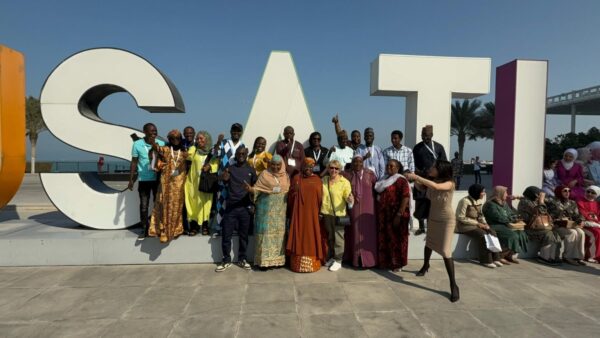
The Women Farmers Advancement Network (WOFAN) ICON2 team has successfully completed a week-long intensive leadership training in Doha, Qatar, organized by the Prospects Development Services and fully sponsored by WOFAN/ICON 2 Project. The training participants comprised WOFAN directors, academia, media, administrators, focal persons, and members of the organization’s media team, reflecting a diverse group committed to advancing rural development. SolaceBase reporter who was part of the team said the training which ended on Friday featured sessions led by experts, including Prof. Joan Lockyer, a distinguished professor of entrepreneurship from the UK, and Dr. Muhammed Evren Tok of Hamad Khalifa University.   Topics discussed ranged from leadership development to entrepreneurship and project management, equipping participants with essential skills to drive WOFAN’s mission of empowering women farmers. The participants also enjoyed an educational tour of Doha’s landmarks, such as the Katara Cultural Village, Lusail City, and the Qatar National and Islamic Museums, blending learning with cultural enrichment. Addressing the team during the closing ceremony, WOFAN-ICON2 Project Country Director, Dr. Salamatu Garba expressed optimism about the impact of the training. “This program is a game-changer for WOFAN. The insights and skills gained will undoubtedly transform our approach to empowering rural communities. I am immensely proud of the team’s dedication throughout this journey.” She added that the training is an essential step in building a stronger team that can drive WOFAN’s vision of transforming rural communities. “The opportunity to learn and explore Doha adds a unique dimension to our journey.” Some of the participants shared their experiences. Prof. Mahmud Daneji said “This experience has opened my eyes to new possibilities. I feel empowered to implement these strategies in my community and create meaningful change.” Another participant Wilson Godwin explained that “The training sessions were practical, engaging, and relevant to our mission. The cultural tours added a rich layer of inspiration to our learning journey.” The training was completed with a formal certificate presentation ceremony, where participants expressed gratitude for the invaluable experience. The WOFAN-ICON2 team is set to return to Nigeria in the early hours of Monday, carrying with them renewed energy and innovative ideas to implement within their communities.

WOFAN ICON-2 Team Undergoes Intensive Leadership Training In Qatar

A team from the Women Farmers Advancement Network (WOFAN) ICON-2 has successfully completed a transformative training program, marking a significant milestone in their journey to empower rural communities. The program has equipped the team with valuable insights and skills to enhance their approach to rural development. The training program, tagged “Cross-Functional Project Management and Inclusivity for Organizational Culture Change,” took place in Doha, Qatar, The one week training was organized by Prospects Development Services, sponsored by WOFAN ICON-2, and facilitated by Professor Joan Lockyer from the UK and Dr. Muhammed Evren Tok of Hamad Khalifa University. The program covered topics such as leadership development in project management, theories, practical and interactive sessions, and the Lego play method to enable participants to turn ideas into reality, aligning with WOFAN’s aims and objectives. According to Hajiya Salamatu Garba, WOFAN ICON-2 Country Director, “With renewed energy and expertise, the WOFAN team is now better equipped to make a meaningful impact in the lives of rural communities.” She added, “The program is a game-changer for WOFAN. We are proud of our team’s dedication and excited to apply our new skills to drive our vision of transforming rural communities.” Participants, including WOFAN ICON-2 board members, academia, administrators, focal persons, and media team members, described the training as apt and promised to use the knowledge gained to move WOFAN ICON-2 to a global standard. They also expressed their commitment to cascading the training to others who were not part of the program to improve their work. During the training, participants were also taken on a tour of various locations, including Katara City, Lusail Stadium, Museum, Heenat Salma Farm, Boat Cruise, Market, and others.

Agricultural extension service bill scales through first reading in Senate

The Senate took another positive step towards improving the country’s agricultural sector as the Agricultural Extension Service Bill, 2024 (SB. 646), sponsored by Senator Saliu Mustapha, passed its first reading. The (WOFAN-ICON-2) and agricultural extension stakeholders sponsored Agricultural Extension Service Bill, (SB.646) has passed the first reading at the floor of the Nigerian Senate. The bill aims to strengthen agricultural extension services that will support smallholder farmers to improve productivity and ensure food security in the Nation. Furthermore, the bill targets to strengthen the capacity of extension workers to deliver advanced, technology-driven, and demand-oriented services. Senator Saliu Mustapha, who represents Kwara Central at the National Assembly while speaking with journalists on the objectives of the bill,said it aims to ensure the effective implementation of the National Agricultural Extension Policy and Strategy and to establish a legal framework for sustainable agricultural extension services in Nigeria. The Lawmaker further noted that the bill will further create a sustainable, harmonized, pluralistic, and demand-driven e-agricultural extension system that will ensure efficient service delivery across the agricultural value chain. Recall that the Minister of State for Agriculture and Food Security, Senator Aliyu Abdullahi during a technical update meeting held in Abuja recently, commended the efforts of WOFAN-ICON2 project, NAERLS and other stakeholders in putting the draft bill together. Senator Abdullahi who contributed effectively during the meeting also noted that with about 70 per cent of the population are involved in agriculture and further emphasized that it is important to ensure they receive the kind of technical support they need to be able to achieve optimal outputs and good income. “Extension Agents don’t just show farmers Good Agronomic Practices, they step down successful research results and new innovative techniques to farmers for improved outputs. “So, Extension Agents are very positive additions to how farmers are supposed to operate. And so, to me the proposed bill will be a game changer.’’